Author name: Willow

Health & Care

How to Tell if a Cat Has Rabies? Signs and What to Do

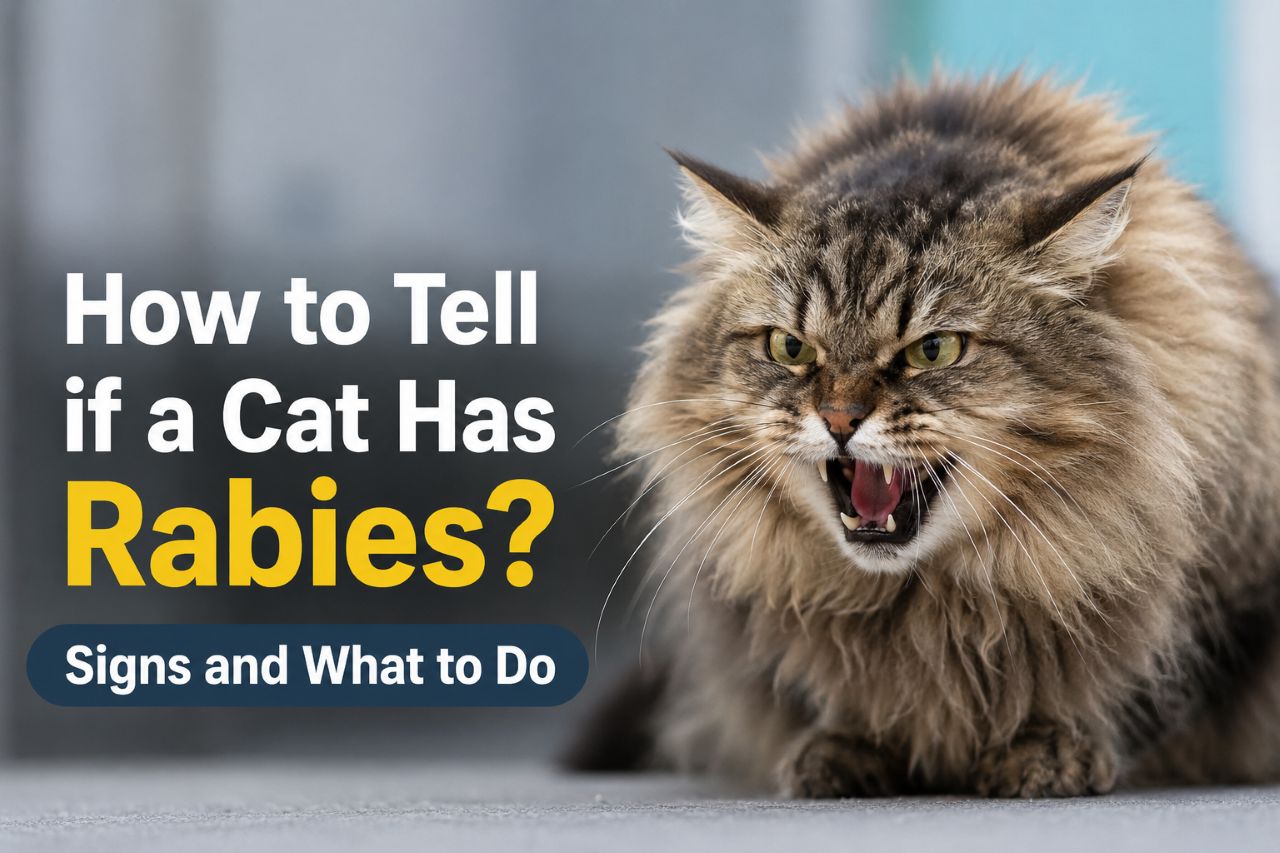
The hard part is this: you usually cannot tell for sure at home. A cat with rabies may look “off” at first, then suddenly become aggressive, weak, disoriented, or unable to swallow. The biggest warning signs are a recent bite or wildlife exposure followed by sudden behavior changes, drooling, trouble walking, seizures, or paralysis. Rabies in cats is not a “wait and see” disease. Once clear rabies symptoms in cats appear, the disease is nearly always fatal. The CDC says rabies has an incubation period that may last weeks to months, and once clinical signs appear, the disease is nearly always fatal. If your cat was bitten by a wild animal, got into a fight with a stray animal, caught a bat, or suddenly starts acting strangely after being outdoors, call your veterinarian or an emergency animal hospital right away. If anyone was bitten or got saliva in an open wound, that person should wash the area with soap and water and seek urgent medical care. This guide explains the signs of rabies in cats, what symptoms are more urgent, what to do if you suspect exposure, and why even indoor cats still need rabies protection. What Is Rabies in

Health & Care

How Many Teeth Do Cats Have? Kitten & Adult Cat Teeth Guide

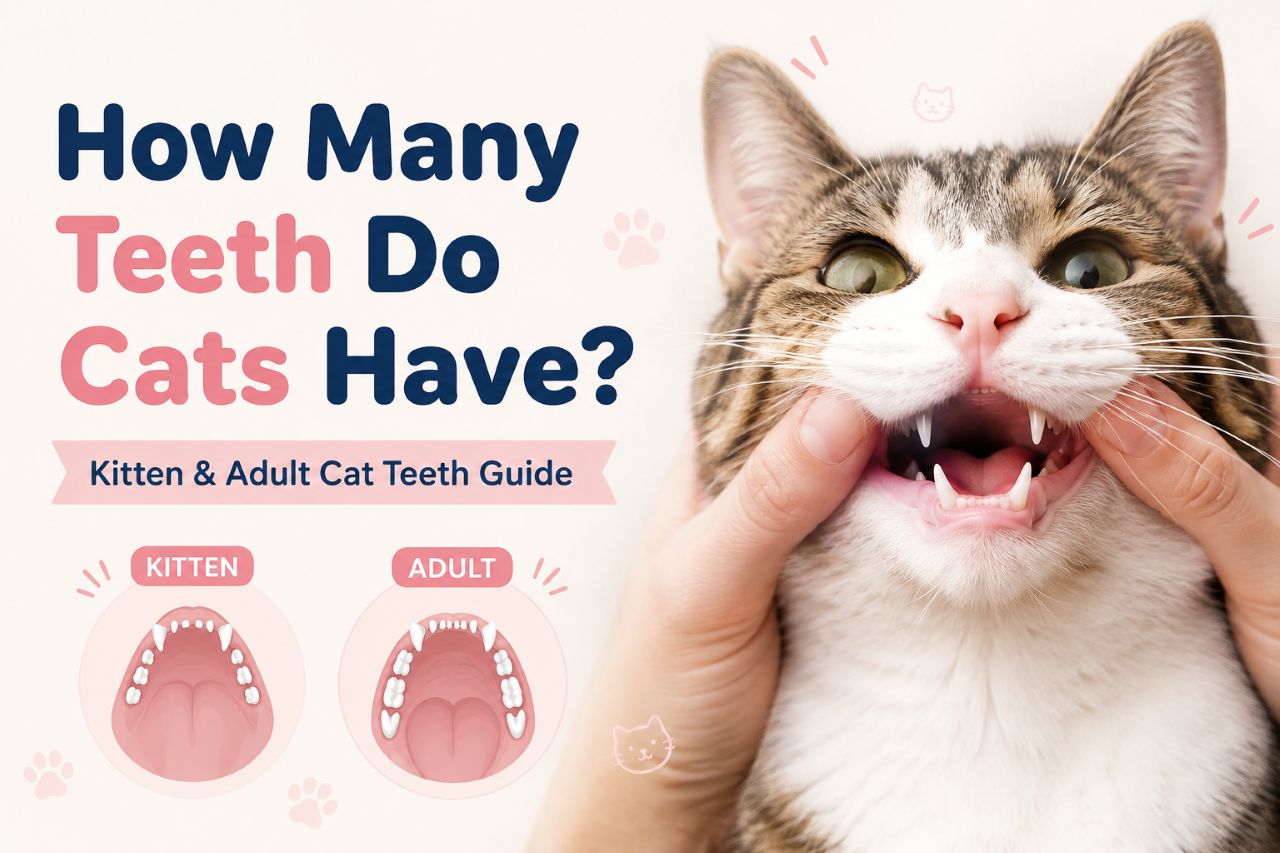
Adult cats usually have 30 permanent teeth. That tiny tiger mouth includes 12 incisors, 4 canine teeth, 10 premolars, and 4 molars. Kittens start with fewer teeth: they have 26 baby teeth, also called deciduous teeth. So the quick answer to how many teeth do cats have is simple: That is the clean answer. The more useful answer is a little toothier. A cat’s mouth is built for grabbing, holding, tearing, and crunching small bites of food. Cats do not chew the way people do. They are not sitting there thoughtfully grinding kibble like tiny philosophers. Their cat teeth are sharp, specialized, and made for a carnivore’s life, even when that “wild hunter” currently lives on a sofa and screams at a closed bathroom door. Adult Cat Teeth: The Full Breakdown When people ask how many teeth do cats have, they usually want the number. But knowing what each tooth does helps you spot problems earlier. A normal adult cat has: Type of Cat Tooth Number What It Does Incisors 12 Grooming, nibbling, picking up small bits Canines 4 Grabbing, holding, defense, biting Premolars 10 Cutting and breaking food into pieces Molars 4 Crunching harder food Purina lists the adult

Cat Lifestyle

Why Do Cats Stare? 10 Reasons Explained

Why do cats stare? Most of the time, a cat staring is communicating, observing, waiting for something, or reacting to a sound or movement you have not noticed. A soft cat eye contact may show trust. A dinner-time stare usually means business. A stiff, unblinking stare can be a warning. The meaning lives in the rest of your cat’s body. Cats do not rely on facial expressions in quite the same way people do. Their eyes work together with their ears, whiskers, tail, posture, and vocalizations. Once you learn to read the whole furry sentence, that mysterious stare becomes much easier to translate. Why Does My Cat Stare at Me? Your cat may stare at you because they want food, attention, play, reassurance, or space. Some cats also watch their people simply because why do cats stare at humans often comes down to human behavior being interesting and predictable. Veterinary behavior guidance identifies attention, play, food, affection, fear, and aggression among the most common reasons for cat staring. The surrounding cat body language tells you which explanation fits. There is another piece to the puzzle: your cat may have learned that staring works. Perhaps your cat looked at you one

Health & Care

When Do Cats Stop Growing & Reach Their Full Size? (Vet-Verified)

Almost every cat parent asks this question. One week your kitten fits comfortably in your lap, and before you know it, they’re sprinting through the house with long legs, oversized paws, and endless energy. Then the changes seem to slow down, leaving many owners wondering whether their cat has finished growing or still has more growing to do. The answer isn’t as simple as saying every cat is fully grown at one year old. According to veterinary research, cat growth happens in several distinct stages. Bones, muscles, body shape, and even internal organs mature at different rates. A cat’s breed, genetics, sex, nutrition, health, environment, and spay or neuter status all influence when it reaches its final adult size. For most domestic cats, physical growth is largely complete between 12 and 18 months. Giant breeds such as the Maine Coon, however, may continue developing until they are 3 to 5 years old. When Do Cats Stop Growing? One of the biggest myths about cat development is that every cat completely stops growing at exactly 12 months of age. In reality, veterinarians divide feline growth into three major stages: Most healthy domestic cats finish growing between 12 and 18 months, although

Health & Care

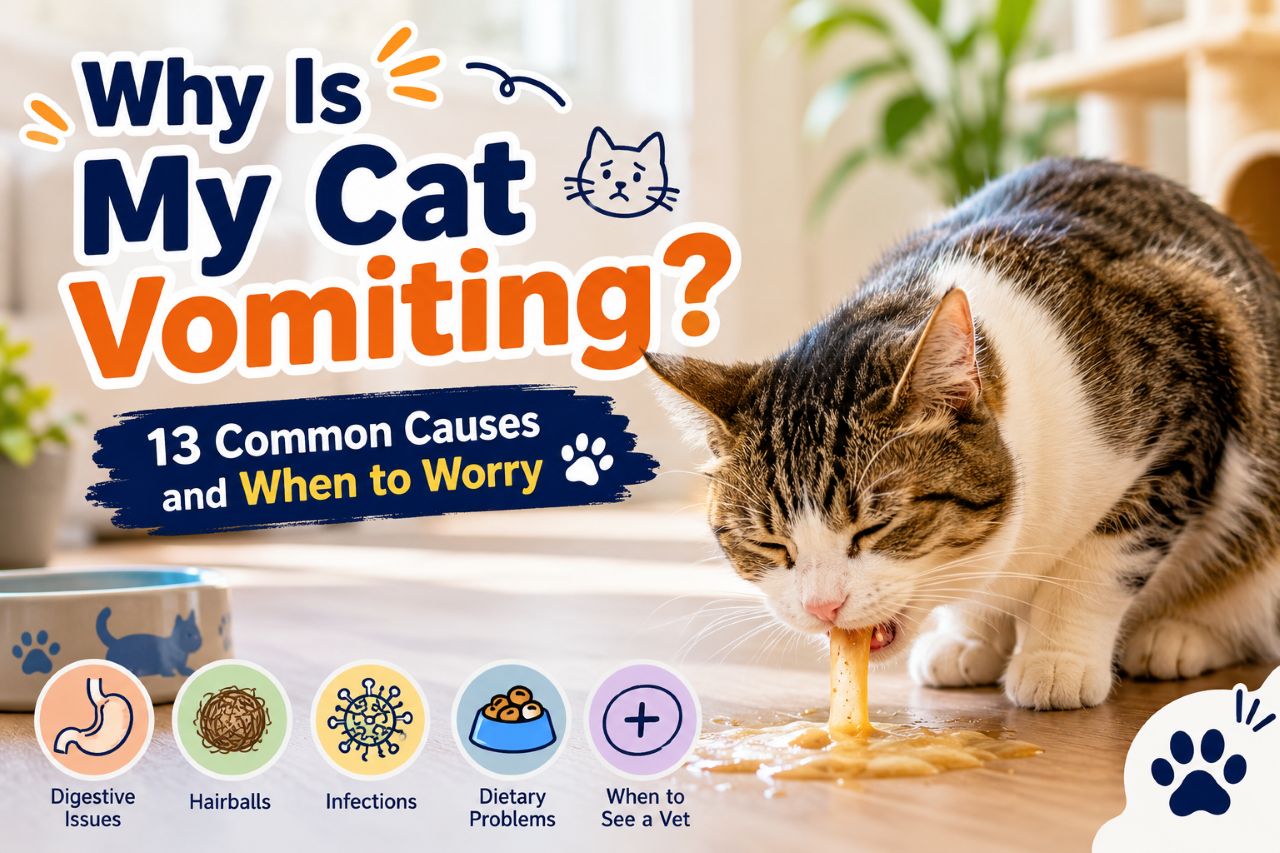
Why Is My Cat Vomiting? 13 Common Causes and When to Worry

Your cat may be vomiting because of something simple, like eating too fast, coughing up a hairball, or reacting to a sudden food change. But cat vomiting can also point to parasites, food intolerance, toxins, kidney disease, diabetes, inflammatory bowel disease, a swallowed object, or another medical problem. A single episode is not always an emergency. Still, vomiting should not be treated as “just a cat thing.” Cornell Feline Health Center notes that cats who vomit more than once a week, or vomit along with weakness, appetite loss, blood, thirst changes, urination changes, or diarrhea, should be checked by a veterinarian promptly. So, if you are standing over the carpet asking, “why is my cat vomiting?”, this guide will help you sort the mild messes from the red-flag moments. Vomiting vs. Regurgitation: They Are Not the Same Before you decide what to do, try to figure out whether your cat is truly vomiting or regurgitating. Catsoria explains that vomiting, regurgitation, and coughing can look similar to cat owners, but they can have different causes. Taking a short video for your vet can help them understand what is really happening. That little video may be gross. It may also be useful.

Cat Nutrition

Can Cats Eat Eggs? Safe Portions and Cooking Tips

can cats eat eggs? Yes. Most healthy cats can eat a small amount of fully cooked egg. It should be plain, cooled, and served as an occasional treat rather than a meal. Knowing how to prepare can cats eat scrambled eggs or can cats eat boiled eggs safely can work well, but can cats eat raw eggs? Absolutely not—raw eggs, runny eggs, heavily seasoned eggs, and buttery breakfast leftovers are poor choices. For most cats, one or two teaspoons is enough. A whole egg is far more than the average cat needs in one sitting. Can Cats Eat Eggs Safely? Cats can eat both cooked egg whites and cooked egg yolks. The important word is cooked. A cat-friendly egg should be: Veterinary nutrition sources generally treat eggs as an occasional extra, not as a replacement for balanced cat food. Eggs provide protein and fat, but they do not contain every nutrient a cat needs in the correct proportions. View cooked egg as a tiny bonus on top of your cat’s regular diet. It is not a complete feline breakfast, no matter how convincingly your cat argues otherwise. Are Eggs Good for Cats? When considering are eggs good for cats, they

Health & Care

12 Interesting Facts About Cat Noses & Their Sense of Smell (Vet Approved)

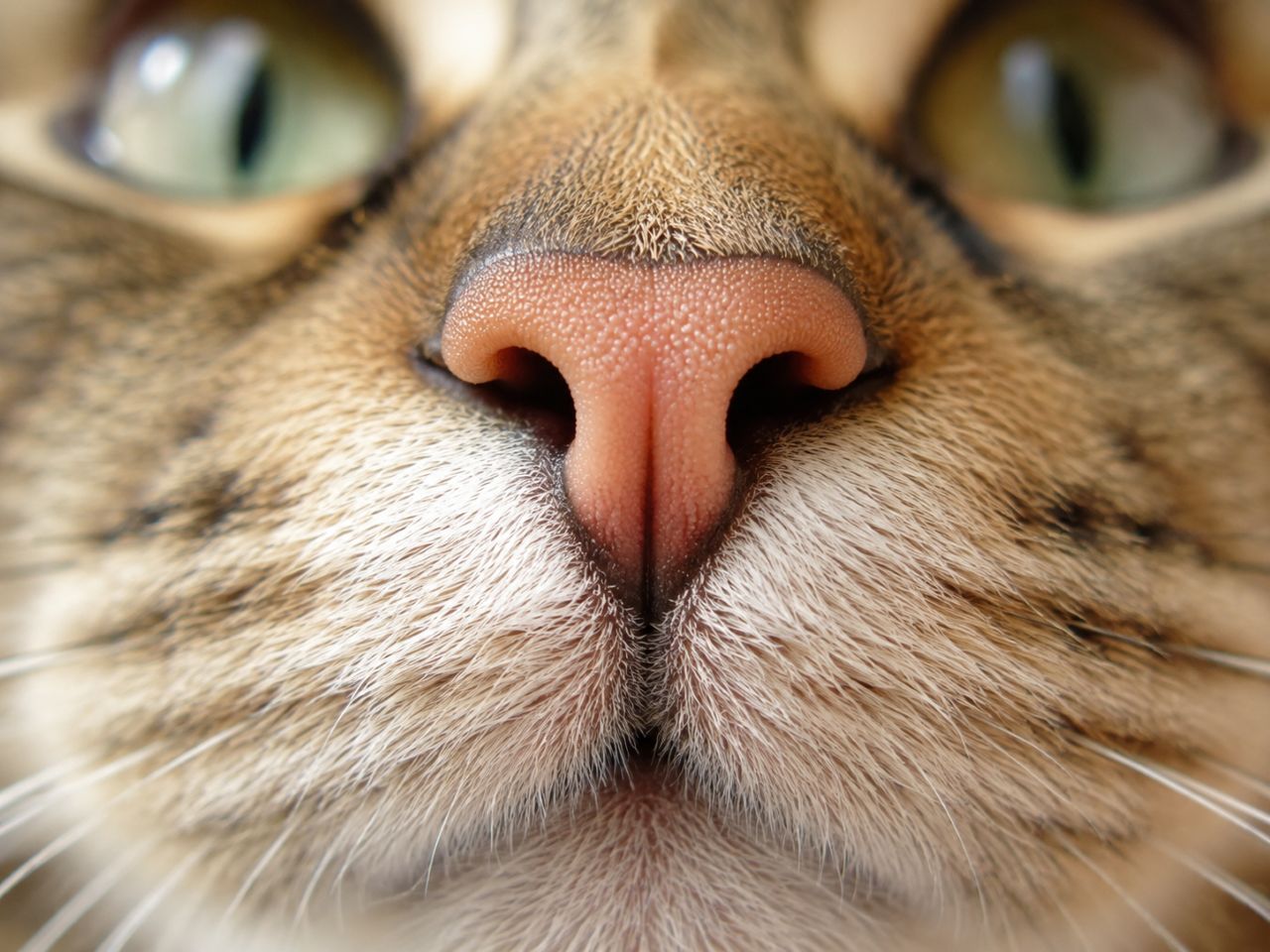
Have you ever watched your cat sniff a grocery bag, your shoes, or one tiny corner of the sofa as if it were reading a secret message? To us, it may look random. To a cat, that little sniff is packed with information. Most people think dogs are the champions of smell, but the cat nose is far more powerful than many pet parents realize. A cat’s nose is not just for finding food. It helps with survival, communication, territory, appetite, comfort, and even recognizing the people they love. Behind that small pink, black, or speckled nose is a highly sensitive feline olfactory system that shapes how cats understand the world. Here are 12 fun and surprising facts about cat noses and cat sense of smell that every cat lover should know. The 12 Facts About Cat Noses 1. Every cat has a unique nose print, just like a fingerprint At first glance, many cat noses seem similar. Some are pink, some are black, some are gray, and some have adorable little spots. But look closer and you’ll find something special. Every cat’s nose has its own pattern of tiny bumps, ridges, lines, and grooves. No two cats have exactly

Cat Lifestyle

Why Do Cats Meow at Night? 9 Common Reasons

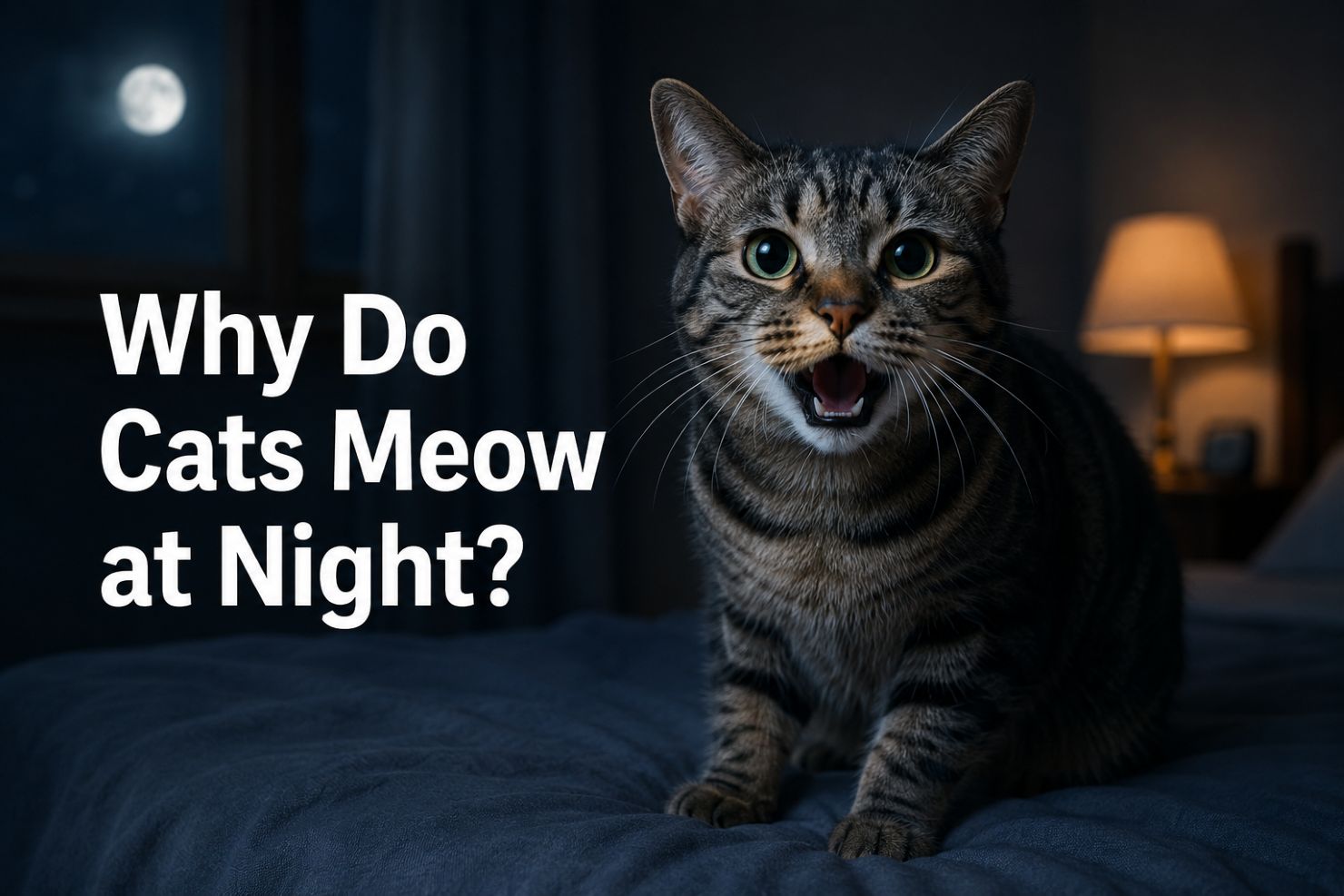
The lights are off. The house is quiet. You have finally found the cool side of the pillow. Then it starts. “Meow.” You wait. “Meeooow.” By the fourth round, your cat is standing in the hallway performing what sounds like a one-animal opera for an audience that did not buy tickets. So, why do cats meow at night? Most nighttime meowing happens because a cat is active, hungry, bored, lonely, stressed, or looking for attention. Cats may also react to animals outside, changes in the home, mating instincts, or a closed door. In older cats, new nighttime yowling can be connected to pain, hearing or vision loss, hyperthyroidism, high blood pressure, kidney disease, or cognitive decline. The sound may be inconvenient, but it is rarely meaningless. Your cat is communicating. The real job is figuring out whether the message is “feed me,” “play with me,” “something scared me,” or “I do not feel right.” Cats Are Not Exactly Nocturnal Cats are often described as nocturnal animals, but that is not quite accurate. They are usually crepuscular, meaning they tend to be most active around dawn and dusk. Those are useful hunting hours for a small predator. Rodents and other prey

Health & Care

Does Cat Litter Attractant Actually Work?

You just mopped the floor. It looks spotless. Five minutes later, there it is again — a fresh spot of cat urine near the sofa. Or worse, your cat suddenly decides the bed is the new bathroom. If you’ve been there, you already know the frustration. Most cat parents try everything: switching litter brands, moving the box, cleaning more often, even yelling (which never works, by the way). And then comes the viral solution everyone talks about: cat litter attractant sprays or powders. Some swear it fixed litter box problems in 3 days. Others say their cat completely ignored it… or worse, avoided the litter box even more. So what’s real and what’s just marketing hype? Let’s break it down with real-world cat behavior logic, not sales talk. What Is a Cat Litter Attractant, Really? A cat litter attractant (or litter training aid) is a product designed to encourage cats to use the litter box by using scent signals. In simple terms, it tries to “tell” your cat: 👉 “This is your bathroom spot.” Most products fall into three categories: Here’s something many cat owners notice: male cats often respond more strongly than females, especially when marking behavior is involved.

Cat Lifestyle

Albino Cat vs White Cat: Key Differences, Health Issues & Care

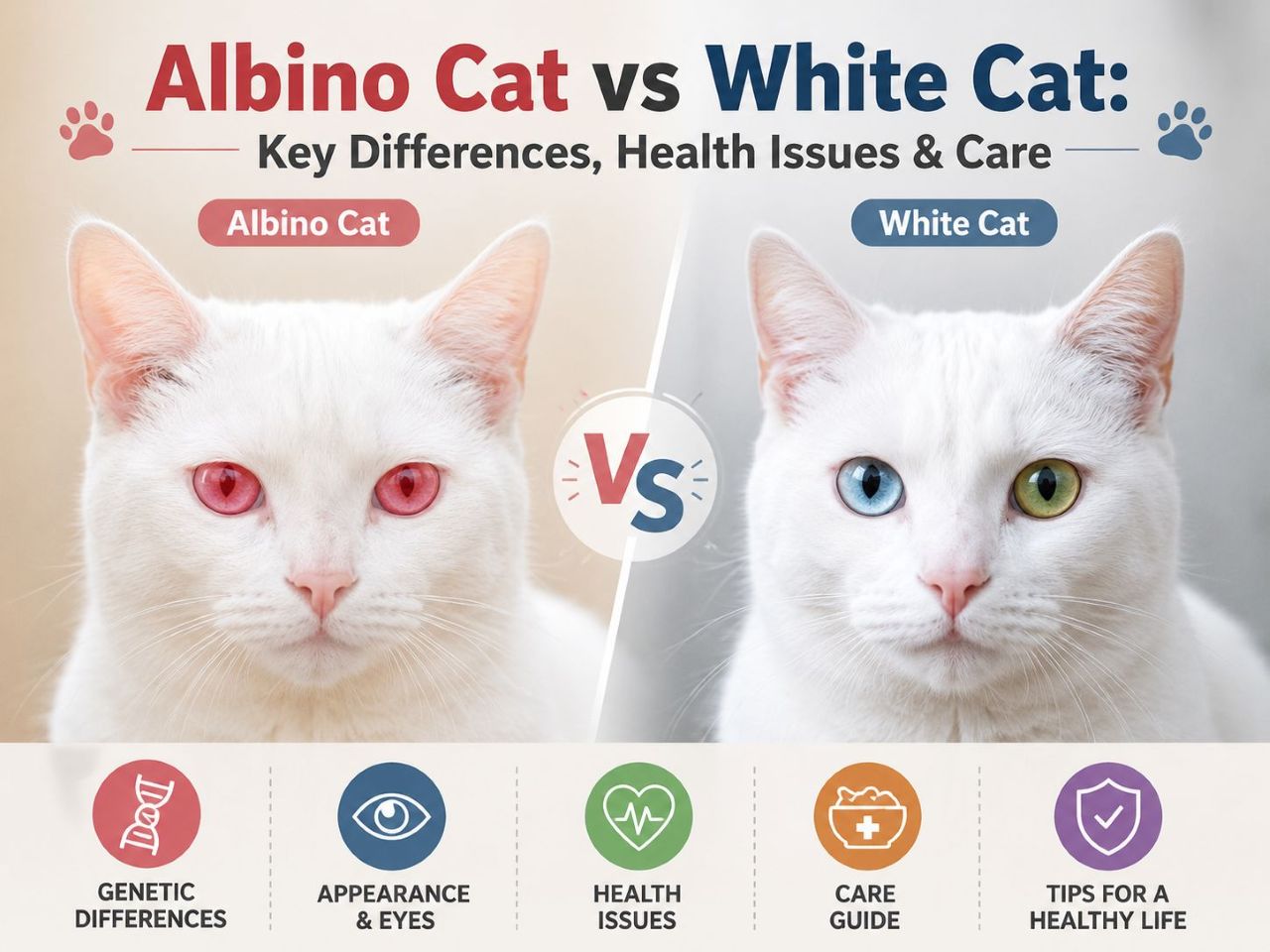
Have you ever looked at a pure white cat and wondered, “Is this an albino cat?” You are not alone. Many cat owners see a snow-white coat with no markings and immediately assume the cat must be albino. But that is not always true. A completely white cat usually falls into one of two categories. One is a normal white cat whose true coat color is simply hidden by genetics. The other is a true albino cat, a rare cat born with a complete lack of melanin. They may look similar at first glance, but their genes, body structure, health risks, and daily care needs are very different. This guide breaks down what an albino cat really is, how to tell an albino cat vs. white cat apart, the most common albino cat health problems, and how to care for these rare and delicate cats properly. What Is an Albino Cat? The genetic cause of albinism in cats An albino cat is born with a congenital genetic condition caused by an autosomal recessive gene mutation. The main issue is a lack of tyrosinase, an enzyme animals need to produce melanin. Melanin is not only responsible for coat color. It also

Scroll to Top