Author name: Willow

Cat Nutrition

Can Cats Eat Arugula? Nutrition Facts and Safety Tips

Cats can eat arugula in small, occasional amounts. Plain arugula is not known to be toxic to cats, although eating too much greenery can upset their stomach. A healthy adult cat that takes a small bite will usually need observation rather than emergency treatment. Veterinary advice on arugula emphasizes moderation. The preparation matters. A fresh leaf from the refrigerator and a leaf coated in garlic dressing call for different decisions. Check what your cat actually ate before assuming the whole dish is safe. Plain Arugula or a Prepared Dish? Start with the ingredients, especially when the arugula came from someone’s plate. What your cat ate What to know A small piece of washed, plain arugula Generally low risk for a healthy adult cat; watch for stomach upset. Arugula cooked in plain water Keep any taste tiny and let it cool. Added ingredients still need checking. Arugula salad with dressing Check the entire ingredient list. Dressings may contain garlic, onion, or other unsuitable additions. Arugula pesto or greens cooked with garlic Contact your vet if your cat ate a product containing garlic or onion. Leaves from an unidentified or chemically treated plant Do not assume they are safe because they look

Cat Behavior

How to Tell If Your Cat Is Depressed: 9 Common Reasons

“Depressed” is often the word people use when their cat becomes quiet and withdrawn. It may describe what they are seeing, but it does not explain why it is happening. Pain, nausea, fear, grief, and changes at home can all make a cat stop playing, hide more, sleep differently, or lose interest in food. From the outside, these problems can look almost identical. The best way to judge the change is to compare your cat with their own normal routine. This guide covers the signs to watch for, nine possible reasons behind them, and when it is time to call your veterinarian. Can Cats Get Depressed? Cats can show lasting changes in mood, interest, activity, and social behavior after a loss or stressful event. People commonly describe this as cat depression. It is not exactly the same as clinical depression in humans. A cat cannot describe feelings of sadness, hopelessness, or loss of pleasure. Veterinarians must work from behavior, physical findings, medical history, and changes in the cat’s environment. A more useful question is: Has my cat stopped doing things that normally matter to them? For one cat, that may mean ignoring a favorite feather wand. Another may stop sleeping

Cat Lifestyle

Why Do Cats Hate Water? What Their Reaction Really Means

Most cats do not hate water in every form. They may watch a dripping faucet, dip a paw into their bowl, or sit beside the shower. What many cats dislike is having their whole body soaked, especially when they did not choose it. So, why do cats hate water? Wet fur can feel heavy and cold. A bathtub offers poor footing and few escape routes. Running water is loud, shampoo changes a cat’s familiar scent, and one frightening bath can create a lasting negative association. There is no single proven explanation. A cat’s reaction probably comes from a mix of physical discomfort, unfamiliar sensations, individual personality, and past experience. Cats May Dislike Getting Wet, Not Water Itself A cat playing with a faucet and a cat trying to escape a bath are not behaving inconsistently. Pawing at a stream lets the cat investigate from a dry, stable position. The cat controls how close it gets and can leave at any moment. Being lowered into a sink is different. Suddenly, water surrounds its paws, the floor feels slippery, and a person may be holding its body in place. That loss of choice changes the entire experience. This also explains why some

Cat Lifestyle

Why Do Cats Chase Lasers? Instincts and Safe Play Tips

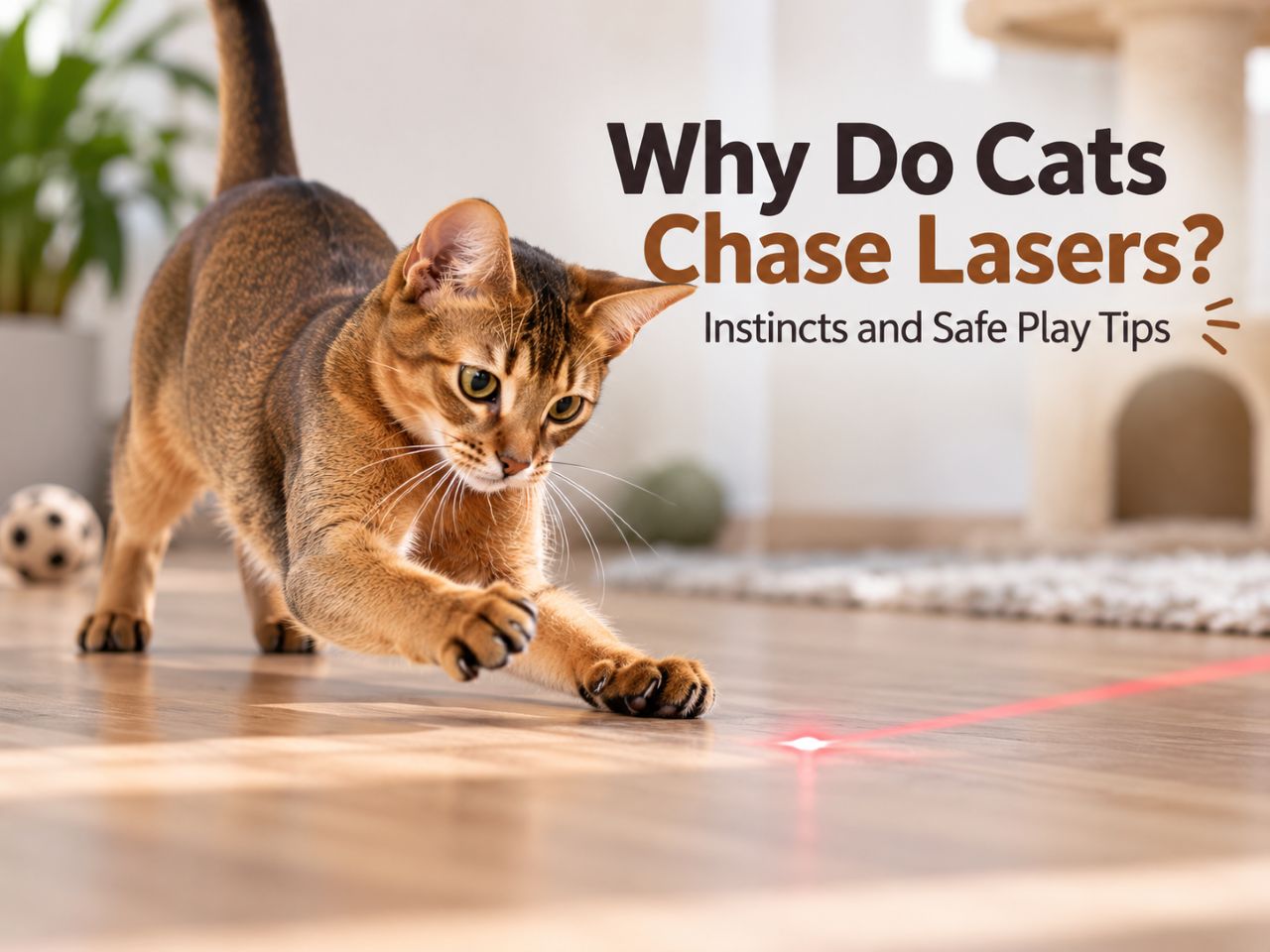
Cats chase lasers because the moving dot triggers their natural hunting instincts. A small target that darts across the floor, pauses, and suddenly changes direction gives a cat something to stalk and pursue. Your cat can respond to those movements even after a full meal. The tricky part comes when they pounce. Their paws land on the target, but there is nothing to hold. Some cats lose interest and walk away. Others keep searching for the light after it disappears. That difference matters. A good play session gives your cat an engaging activity they can comfortably leave behind when it ends. Why a Tiny Moving Dot Gets Such a Big Reaction A moment ago, your cat was resting beside the couch. Now their body is low, their eyes are fixed on the floor, and they are waiting for the right moment to jump. The laser has provided a moving target for a familiar sequence: watch, stalk, chase, and pounce. Movement Triggers the Chase Cats are predators, and movement helps draw their attention to potential prey. A laser dot can supply some of those visual cues without having the shape, smell, or texture of a real animal. Its direction changes keep

Cat Lifestyle

120 Popular Names for Grey Cats

Finding the perfect name for a grey cat can be a fun way to celebrate their unique look and personality. From soft silver coats to deep charcoal shades, grey cats have a natural elegance that inspires names from nature, colors, and everyday charm. Whether you have a playful kitten or a calm adult cat, these grey cat names offer plenty of ideas to help you find a name that feels just right. Why Grey Cats Are Special Grey cats have a quiet beauty that makes them truly stand out. Their soft ash, silver, charcoal, and smoky coats create a unique mix of elegance and mystery. Unlike bright orange cats or bold black cats, grey cats often have a calm and gentle appearance that many cat lovers find irresistible. Many people believe grey felines have sweet personalities, relaxed temperaments, and a special way of understanding their owners. Of course, every cat is different, but their peaceful look and affectionate nature are some of the reasons grey kittens are so popular among pet parents. A grey cat’s coat can look completely different depending on the light. Pale grey fur may shine like silver in the sunlight, while darker charcoal coats can appear

Cat Lifestyle Health & Care

Why Do Cats Slow Blink? What Your Cat Is Really Saying

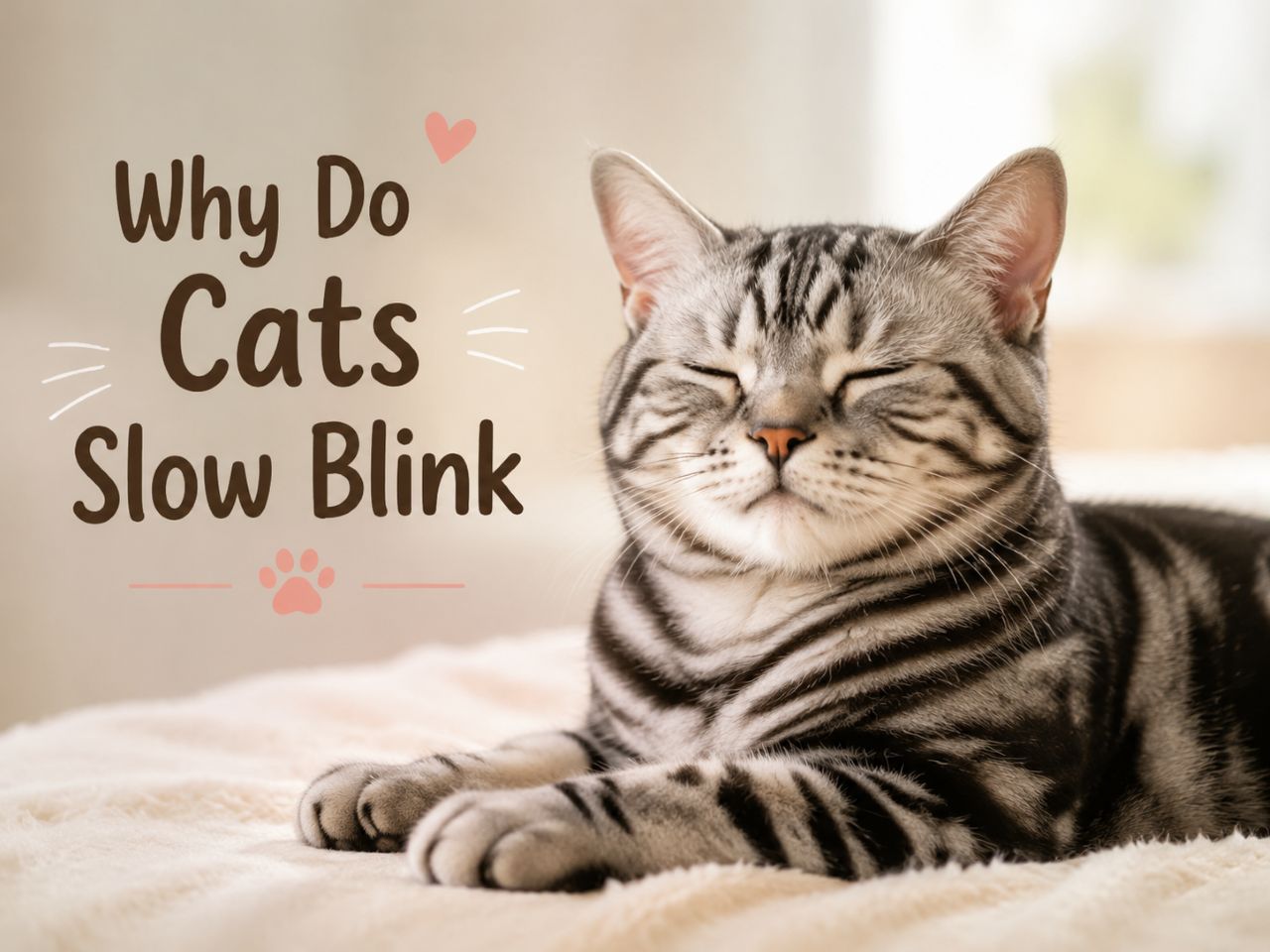
You look across the room and catch your cat watching you. Instead of turning away, they gently lower their eyelids, pause for a moment, and slowly open them again. That soft little blink may not look dramatic, but in cat language, quiet signals often carry the most weight. Cats usually slow blink when they feel calm, comfortable, and safe enough to relax their guard. A cat slow blink may communicate friendly intentions, trust, or a willingness to interact. Some people call it a “cat kiss,” although it is more accurate to think of it as a peaceful social signal rather than a literal declaration of love. Scientists have also found that cats respond differently when humans slow blink at them. In controlled experiments, cats showed more eye-narrowing movements after people slow blinked and were more likely to approach a person who had used the expression. However, eye narrowing does not tell the whole story. A sleepy cat, a nervous cat, and a cat with an irritated eye can all appear partially squinty. To understand why your cat slow blinks, you need to look at the rest of their body and the situation around them. What Does It Mean When a

Cat Training

How Many Litter Boxes Do You Need Per Cat?

The quick answer is one litter box per cat, plus one extra. That means two boxes for one cat, three boxes for two cats, and four boxes for three cats. There is one catch: those boxes need to be in separate locations. Two trays touching each other may look like two bathrooms to you, but they give a cat only one place to go. A nervous cat can still lose access to both if another pet controls that room or hallway. Think of the “cats + one” rule as a reliable starting point, not a promise that every home will work with the same setup. Your floor plan, the cats’ relationships, their ages, and their mobility can all change the number you need. The Simple Litter Box Formula Use this count when setting up your home: Number of litter boxes = number of cats + one extra Number of cats Recommended starting number of litter boxes 1 2 2 3 3 4 4 5 5 6 6 7 This is a minimum starting point for most homes. You may need another box if your home has several floors, one cat regularly guards a route, or a kitten or senior cat

Cat Breeds

Why Do Cats Follow You? 9 Reasons Explained

So, why do cats follow you from room to room? Most cats do it because they feel bonded to you, expect food or attention, enjoy monitoring their surroundings, or have learned that following you leads to something rewarding. A clingy cat or Velcro cat that suddenly becomes much more attentive may also be feeling stressed, insecure, uncomfortable, or unwell. In most cases, having a furry shadow is perfectly normal. The trick to understanding cat behavior is looking at when the behavior happens, what your cat does while following you, and whether anything else has changed. What Does It Mean When a Cat Follows You? A cat walking behind you is not displaying one single message. The meaning changes with the setting. A relaxed cat with upright ears and a gently raised tail may simply want company. A cat follows me everywhere near the kitchen shortly before dinner probably has a more edible goal in mind. A senior cat that suddenly trails you while crying at night deserves closer attention. Cats may have a reputation for independence, but independence does not mean emotional indifference. Research has found that many cats develop recognizable attachment patterns with their caregivers and use familiar people

Cat Lifestyle

What Are Cat Zoomies? Causes, Warning Signs and Tips

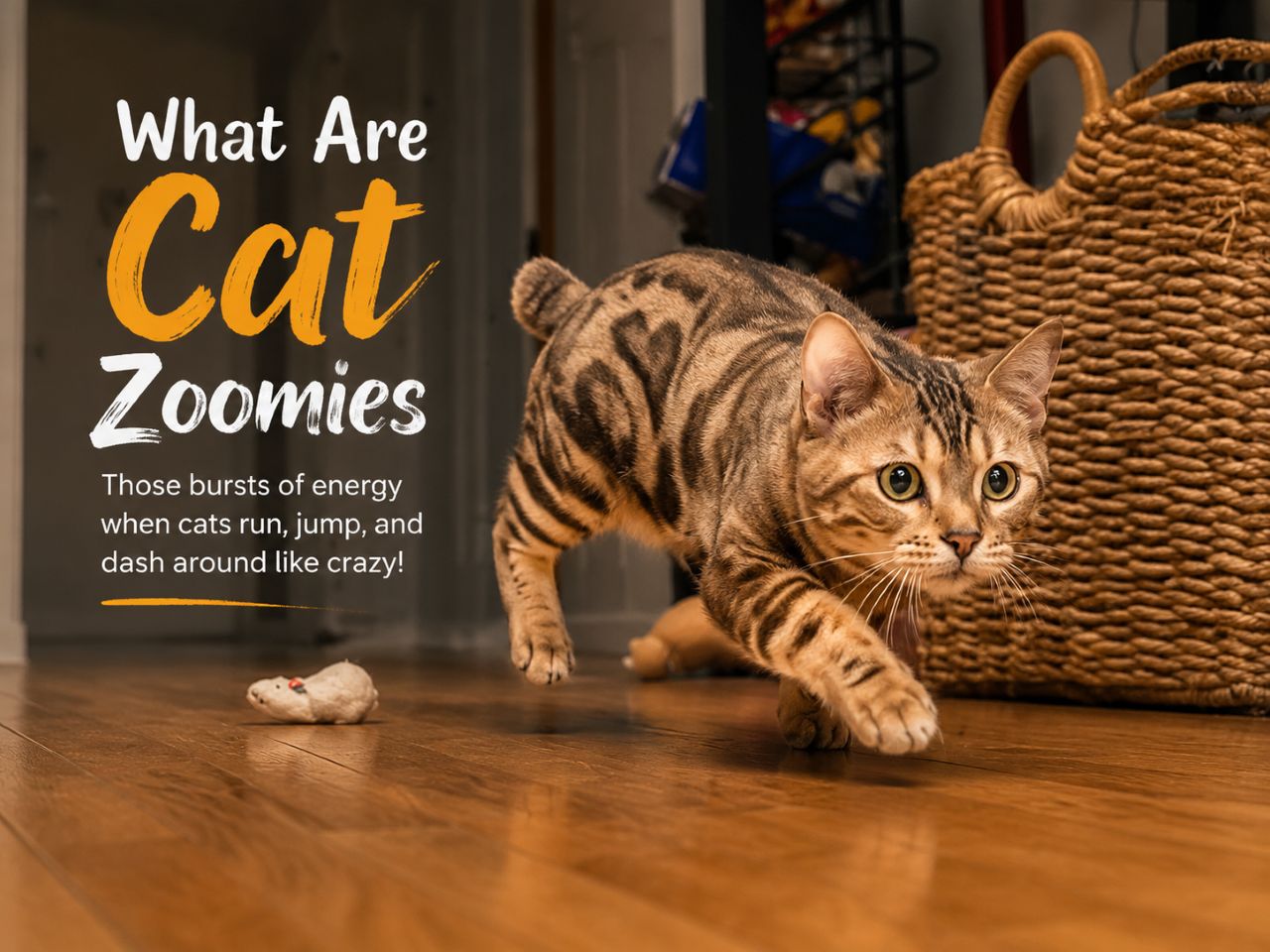
That sudden explosion of speed is known as cat zoomies. Zoomies are brief bursts of intense activity in which a cat may sprint, leap, pounce, climb, spin, or change direction without any obvious goal. The behavior can look chaotic, but in most cases, it is a normal way for cats to release energy and act out their natural movement patterns. Veterinary professionals also call these episodes frenetic random activity periods, or FRAPs. They are especially common in kittens, young cats, and indoor cats with energy to burn. Cats may have zoomies after waking up, using the litter box, eating, playing, or simply noticing that the house has finally become quiet enough for a private racetrack. Most feline zoomies are harmless. A sudden change in how often they happen, or frantic running accompanied by pain, fear, vocalization, litter box trouble, or weight loss, deserves closer attention. What Are Cat Zoomies? What does “cat zoomies” mean? The term cat zoomies describes a short, energetic episode in which a cat suddenly races through the house. A typical zoomie session may include: The episode often starts without warning and ends just as abruptly. Your cat may run at full speed for a minute, stop

Cat Lifestyle

Why Do Cats Chirp? What That Tiny Birdlike Sound Means

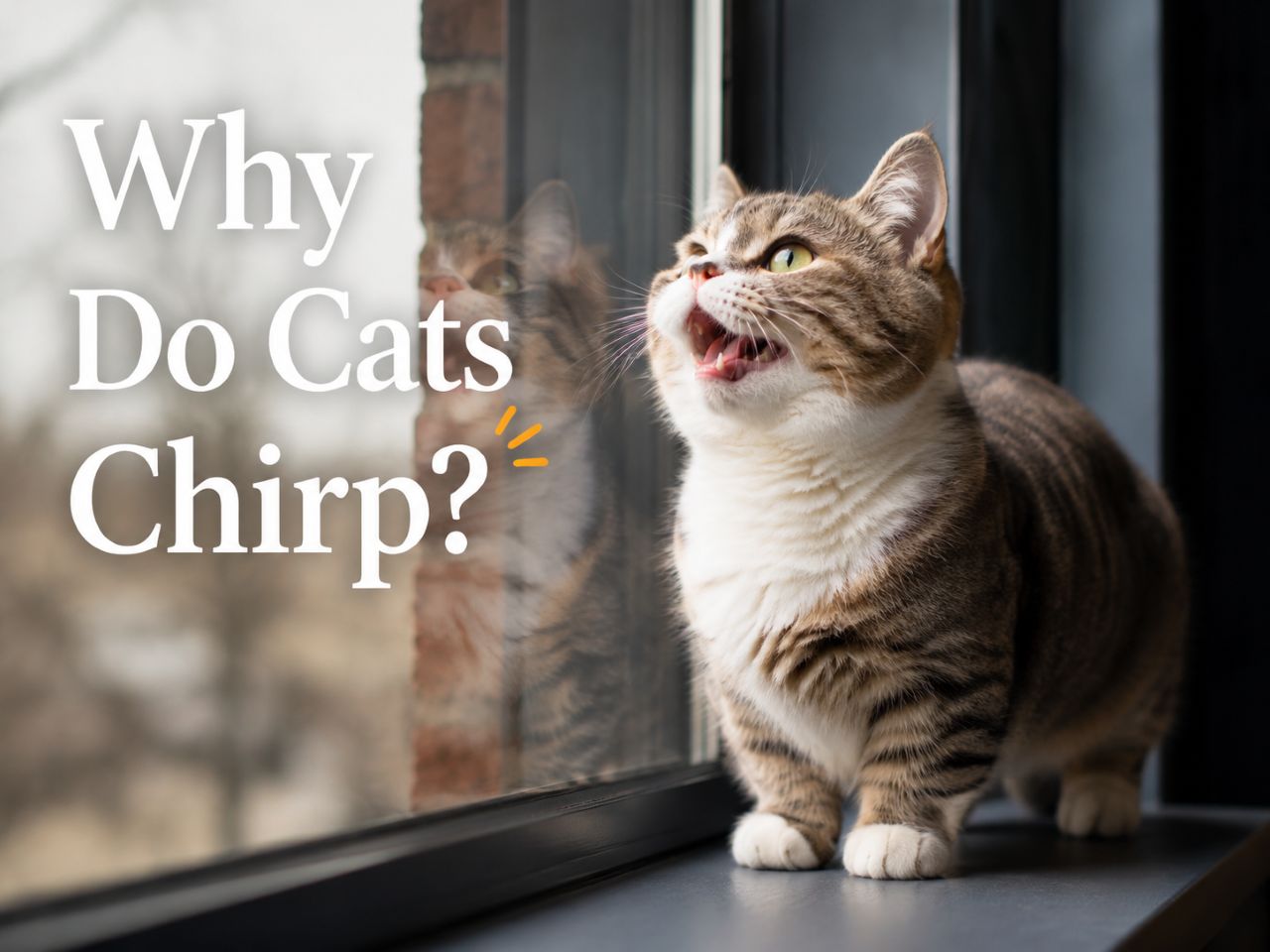
Why do cats chirp? Cats usually chirp because they are excited, focused, or trying to communicate. The sound often appears when a cat notices birds, squirrels, insects, or moving toys. Cats may also chirp at people as a greeting, an invitation to follow, or a way to ask for attention. Most chirping is harmless and completely normal. The best clue is not the sound by itself, but what your cat is looking at and how the rest of their body is behaving. What Does a Cat Chirp Sound Like? A cat chirping sound is usually short, light, and high-pitched. It may sound like: Some cats make one neat little chirp. Others release an entire string of chirrups while staring through a window. The mouth may stay mostly closed, especially during social chirping. When prey is involved, the chirp may blend into clicking teeth, trembling whiskers, or rapid jaw movements. Cat owners often use the words chirping, trilling, chattering, and twittering interchangeably. The sounds can overlap, but they are not quite the same. Why Do Cats Chirp? There is no single explanation that fits every cat. Chirping is more like a small sound with several possible jobs. The most common reasons

Scroll to Top