
Author name: Willow

Cat Behavior

Why Do Cats Sit on You? What This Cozy Habit Really Means

You settle onto the couch, and your cat appears before you have even opened your book. They test your legs with one paw, turn in a small circle, and drop their full weight onto you as though your lap had been reserved. So, why do cats sit on you when a bed, blanket, or empty cushion is only a few feet away? Most cats do it because a person offers several good things at once: warmth, security, familiar smells, a comfortable resting surface, and easy access to attention. A cat that curls up, softens their eyes, tucks in their paws, or falls asleep is usually showing that they feel safe with you. That does not mean every lap visit is a declaration of love. Sometimes your cat wants breakfast, relief from a noisy room, or the fuzzy blanket covering your knees. Their body language and the timing of the visit tell you more than the sitting itself. What Is Your Cat Telling You? Look at what happens before and after your cat climbs aboard. These clues can help you read the moment. What you notice What it may mean Loose body, tucked paws, half-closed eyes, or sleep Your cat feels

Health & Care

Why Is My Cat Not Eating? Causes, Warning Signs, and What to Do

Cats may stop eating because of nausea, dental pain, illness, stress, or a change in their food. A sudden loss of appetite deserves a call to your veterinarian. An adult cat that has eaten nothing for about 24 hours needs urgent veterinary attention. Kittens and cats with other symptoms need help sooner. You don’t have to know the cause before making that call. What helps is knowing when your cat last ate a normal amount, how much they’ve eaten since, and what else has changed. A cat licking the gravy off dinner is taking in something. That doesn’t necessarily mean they’re getting enough nutrition. When Does a Cat Not Eating Need Veterinary Care? Start with how your cat is doing overall. The time since their last meal matters, but serious symptoms can make this an emergency long before a full day has passed. What you’re noticing What to do Trouble breathing, collapse, severe weakness, or suspected poisoning Seek emergency veterinary care now. Repeated trips to the litter box with straining and little or no urine Go to an emergency veterinarian immediately. A urinary blockage can be life-threatening, especially in male cats. Repeated vomiting, inability to keep water down, or obvious

Health & Care

Why Is My Cat Losing Hair? Causes, Bald Spots, and Next Steps

Cats can lose hair because of fleas, allergies, ringworm, other skin infections, or repeated licking caused by itchiness or pain. Stress can also contribute to overgrooming. A new bald patch, spreading thinning, or damaged skin deserves a veterinary exam, even when your cat otherwise seems well. Loose fur on your clothes is familiar territory. Seeing more skin through your cat’s coat can be harder to judge. Has the hair fallen out, been licked away, or always looked a little thin there? Those details help a vet work out what’s happening. The location, condition of the skin, and changes in your cat’s daily habits all matter. Is It Normal Shedding or Actual Hair Loss? Normal shedding releases old hairs while the coat remains reasonably even. Cat hair loss, also called feline alopecia, means hair is missing or noticeably reduced where it would usually grow. Alopecia describes the change; it doesn’t tell you the cause. Look at the coat itself rather than judging only by the amount of fur on the couch. A new bare area, an expanding thin patch, or a section of short, broken hairs needs a closer look. Some cats naturally have sparse fur between their eyes and ears.

Cat Nutrition

Can Cats Eat Seaweed? Nori Safety, Risks & Vet Advice

The crinkle of a seaweed snack bag can bring a curious cat into the kitchen almost as quickly as opening a can of tuna. Before you hand over a piece, look at the ingredient list. Most healthy adult cats can eat a tiny piece of plain, unseasoned, food-grade nori once in a while. That does not make every seaweed product cat-safe. Roasted snack sheets may contain salt and flavorings, seaweed salad comes dressed, and kelp can contain far more iodine than you might expect. Seaweed also offers no nutrient that a cat needs to get from a snack. A complete and balanced cat food should already supply the right amounts of iodine, amino acids, vitamins, and minerals. Not All Seaweed Is the Same “Seaweed” is a casual name for many kinds of marine algae. Nori, wakame, kombu, dulse, and kelp differ in texture, mineral content, and preparation. The answer changes again once salt, garlic, sauce, or oil is added. Seaweed product Should cats eat it? What matters Plain nori sheet A tiny piece occasionally Check that seaweed is the only ingredient Salted or flavored seaweed snack No May contain excess salt, garlic, onion, chili, or added oil Kombu or kelp

Cat Nutrition

Can Cats Have Honey? Safety Facts for Cat Owners

A small, accidental lick of plain honey is unlikely to harm a healthy adult cat. Honey is not generally considered toxic to cats, but it is not a good everyday treat. It adds concentrated sugar without supplying the balanced nutrition cats need, and larger amounts may cause an upset stomach. The amount matters, and so does the product. A trace of pure honey calls for a different response than a honey-flavored medicine or a dessert containing chocolate. Your cat’s age, health, and symptoms also help determine what to do next. My Cat Ate Honey. What Should I Do? Start by putting the honey away and checking the label. Was it pure honey, or was your cat eating something made with it? For a healthy adult cat that had only a small lick of plain honey and is acting normally, observation at home is usually reasonable. Leave fresh water available and continue the usual feeding routine. Watch for vomiting, diarrhea, reduced appetite, or unusual tiredness over the next day. Do not try to make your cat vomit. Hydrogen peroxide can seriously harm cats, and a honey spill is not a reason to give home remedies. Use these situations to guide your

Cat Training

Why Is My Cat Peeing Outside the Litter Box?

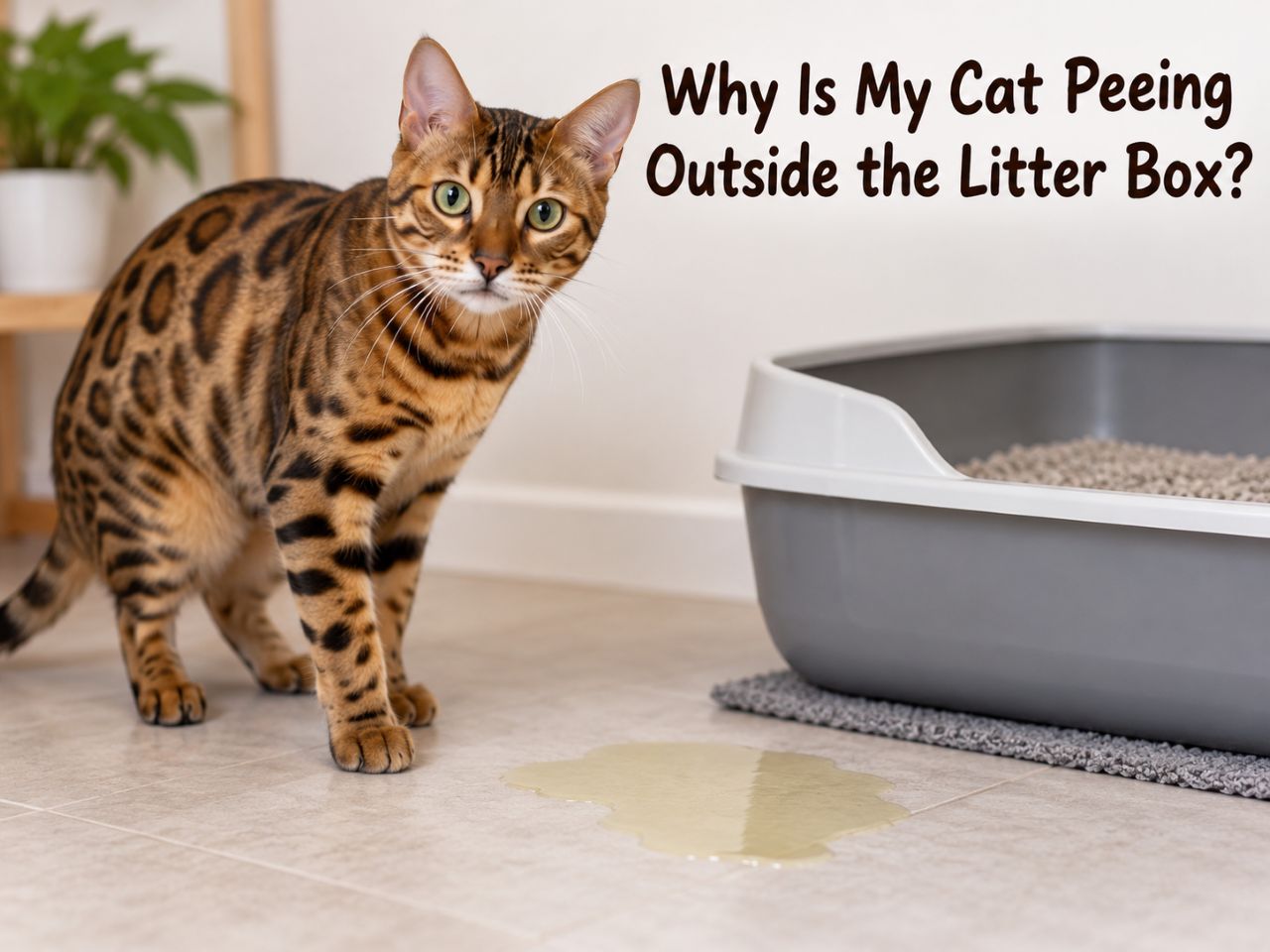
Finding a wet spot on the rug or a strong-smelling patch on the bed is frustrating. It’s also information. A cat that stops using the litter box is usually dealing with one of four things: pain or illness, a litter box problem, stress or conflict, or urine marking. It isn’t revenge, and it doesn’t mean your cat has forgotten their training. A sudden change deserves a call to your veterinarian, even when your cat seems fine in every other way. Cats often hide pain. Urinary trouble may show up in the litter box before you notice changes in appetite, energy, or mood. There is one exception to the “make an appointment” approach: a cat that keeps trying to urinate but produces little or no urine may have a blocked urethra. That is an emergency, especially in male cats. Check for a urinary emergency before anything else Go to an emergency veterinary clinic now if your cat: Call your regular veterinarian promptly for blood in the urine, crying during urination, frequent small amounts, or repeated genital licking. If you cannot tell whether urine is coming out—or those signs worsen—treat it as an emergency. Don’t wait until morning to see if a

Cat Lifestyle

Why Do Cats Like Boxes? What Their Box Habit Really Means

You set a delivery box on the floor, walk away for ten seconds, and come back to find your cat folded neatly inside it. The new cat bed may still have its tag on. The box has already been claimed. So, why do cats like boxes? A box gives a cat several useful things at once: cover, a clear view through the opening, a warmer resting spot, an ambush point, and something satisfying to scratch. It also gives the cat a choice about when to be seen and when to step away from activity. No single explanation fits every cat. Age, personality, room temperature, past experiences, and relationships with other pets can all shape the habit. A Box Gives Your Cat Cover and Control Cats often rest in places where they can observe without feeling exposed. The sides of a box shield much of the body, while the opening lets the cat keep track of footsteps, other pets, and whatever is happening across the room. That cover can be especially appealing when guests visit, children are playing, the vacuum is running, or another cat is nearby. Going into a box does not automatically mean a cat is frightened. A relaxed

Cat Nutrition

Can Cats Eat Pistachios? Safety Facts for Cat Owners

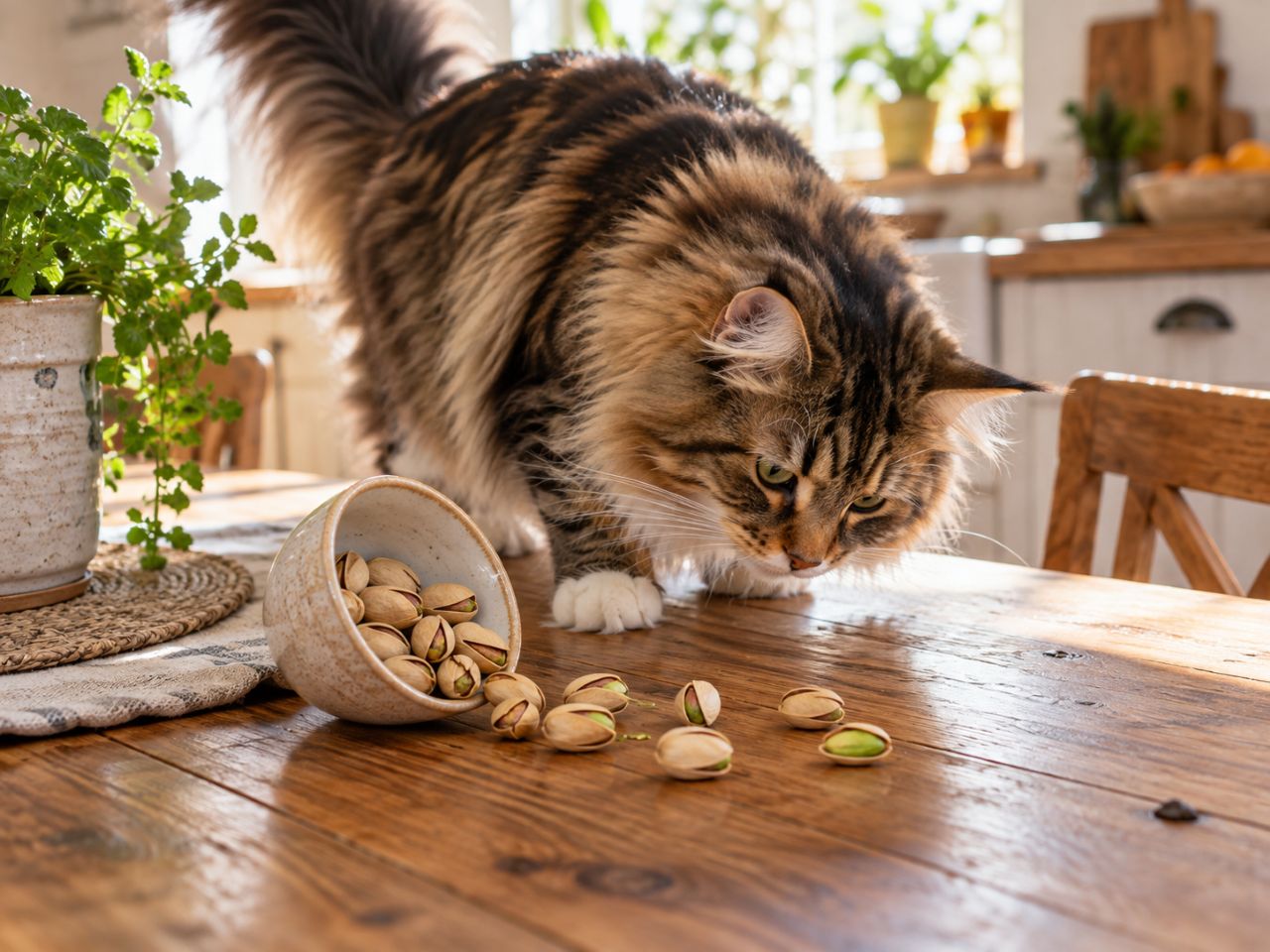
A pistachio drops beside your chair, and your cat gets to it before you do. Now you need to know whether that missing bite matters. Was it just a piece of the green kernel, or did the hard shell disappear too? Cats should not be fed pistachios as treats. Plain pistachio kernels are not considered inherently poisonous to cats, so a tiny accidental bite is unlikely to cause poisoning. The concerns include digestive upset, swallowed shells, and potentially harmful seasonings. What your cat ate matters as much as how much. Trouble breathing, collapse, or seizures after eating anything require immediate emergency veterinary care. My Cat Ate a Pistachio. What Should I Do? Move the nuts and discarded shells out of reach. Keep the package so you can check the ingredients and describe the product accurately if you need veterinary advice. Try to establish whether your cat swallowed a kernel, a shell, or both. Note the approximate amount and when it happened. Your cat’s weight, age, medical conditions, and any symptoms will help a veterinarian assess the situation. What happened What to do A healthy adult cat ate a tiny piece of a fresh, plain kernel with no shell Serious poisoning

Cat Behavior

Why Do Cats Bring Dead Animals Home? What It Means

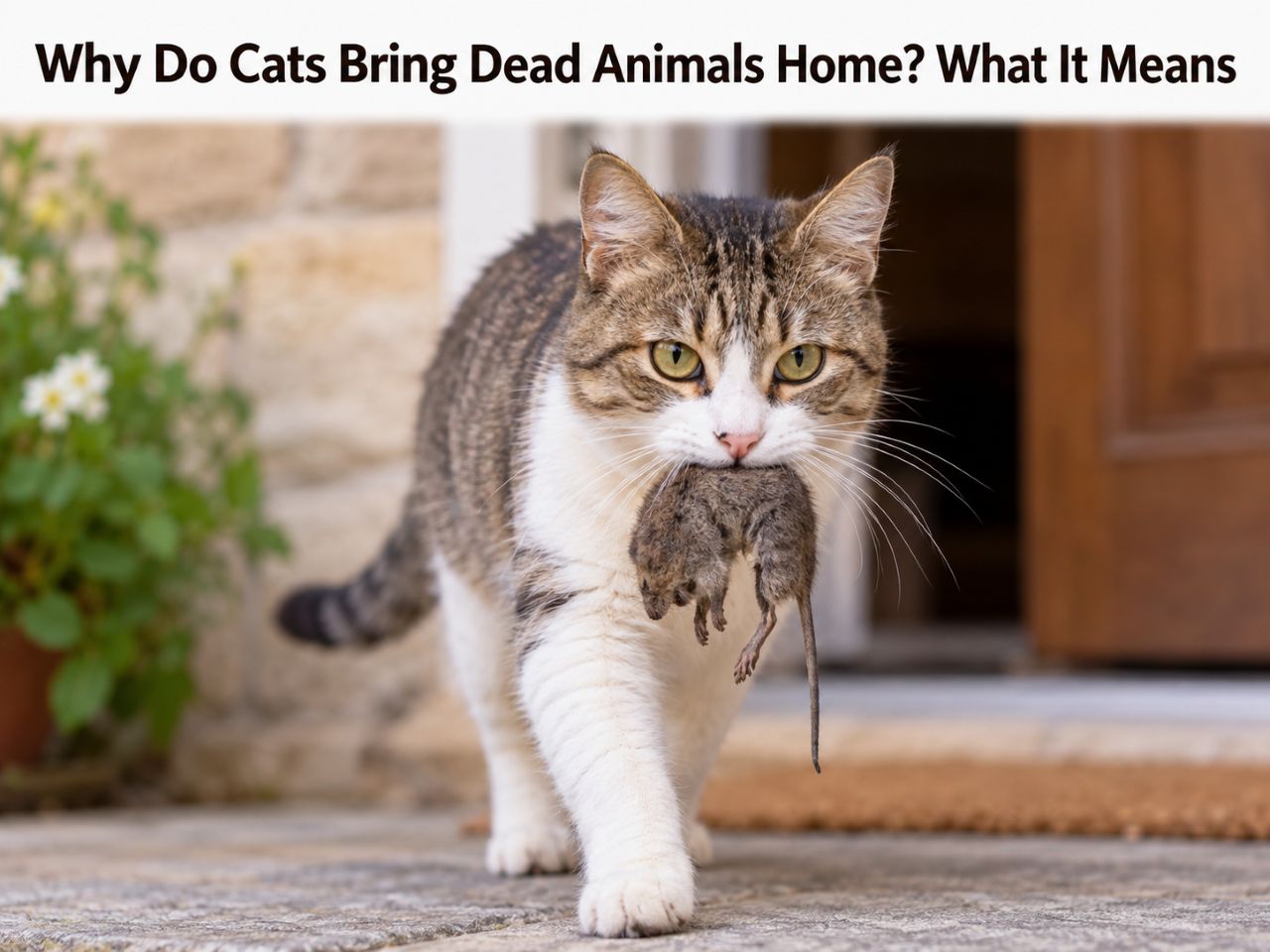
You walk into the kitchen and stop. There is a mouse on the floor, your cat is sitting nearby, and neither one of them appears nearly as bothered as you are. It is easy to read this scene as a message. Maybe your cat brought you a gift. Maybe they think you are a terrible hunter. Those explanations are popular, but feline behavior is rarely that tidy. Cats bring dead animals home mainly because hunting is a natural behavior and home is a familiar, secure place to carry captured prey. A cat may return there to eat, store, inspect, or abandon the catch without competition from another animal. Mother cats do carry prey to kittens, so teaching or sharing may play a role in some cases. We cannot know that this is what a pet cat intends when they leave a mouse beside your shoes. The behavior is usually normal. It is not revenge, a warning, or proof that your cat is underfed. A Full Food Bowl Does Not Switch Off the Hunt Domestic cats do not hunt only when they need dinner. Fast movement, rustling grass, and the high-pitched sounds made by small animals can start the sequence of

Health & Care

How to Weigh Your Cat: 6 Vet-Approved Steps

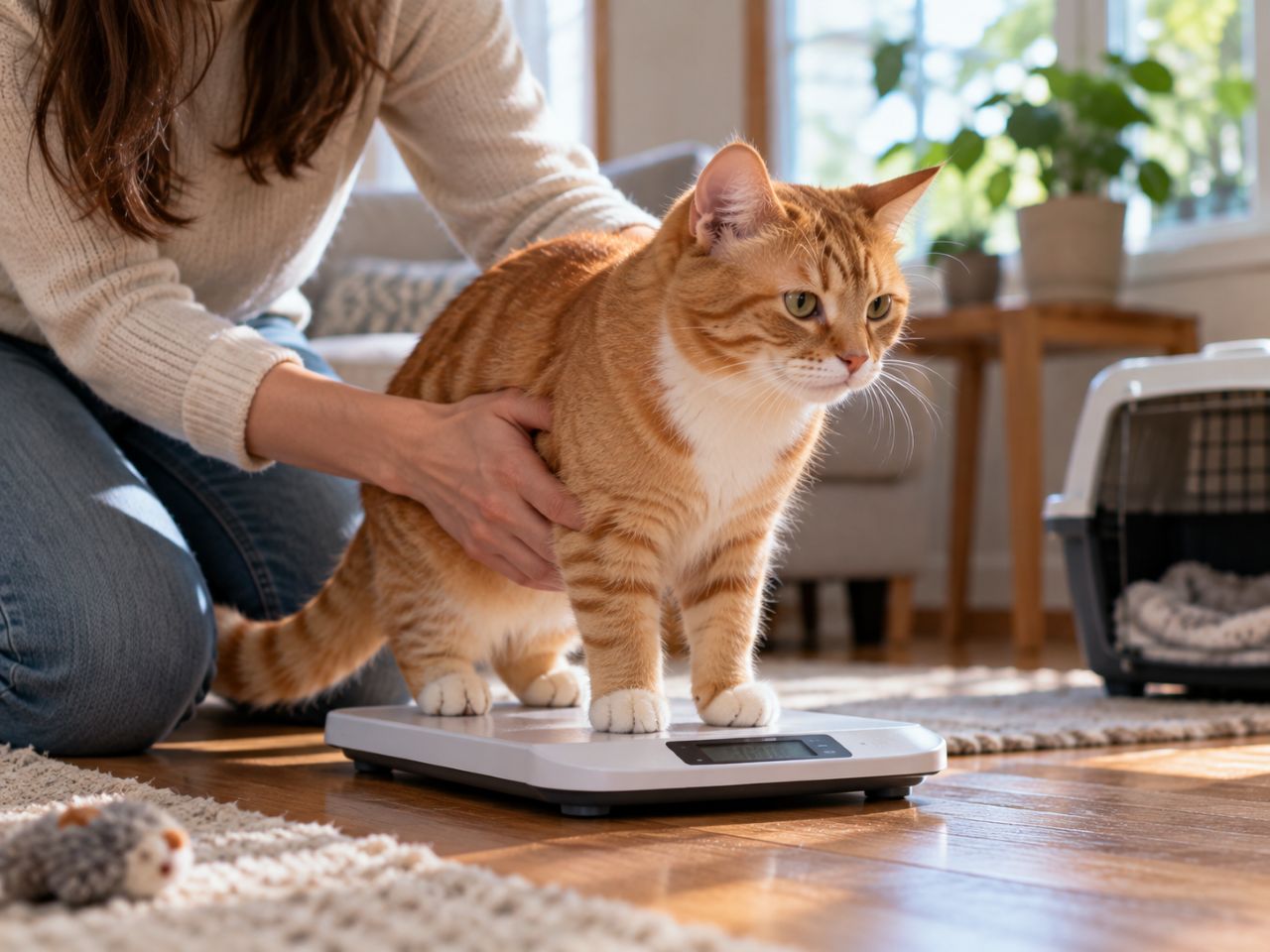
Weighing a cat sounds easy until your cat sees the scale, steps on it with one paw, and leaves. The most accurate home method is to place your cat on a digital pet or baby scale set on a hard, level surface. If you don’t own one, weigh yourself alone, weigh yourself again while holding your cat, and subtract the first number from the second. A carrier or sturdy box can help with cats that won’t sit still. The number itself is only part of the picture. Recording your cat’s weight regularly can reveal a gradual change that’s easy to miss beneath fur. Pair that number with your cat’s body shape, muscle condition, appetite, and behavior. Why Weighing Your Cat at Home Is Worth Doing You see your cat every day, which makes slow physical changes surprisingly hard to notice. A half-pound difference may not look dramatic, but it equals 5% of the body weight of a 10-pound cat. Veterinary nutrition guidelines treat an unexplained weight change as a reason for further assessment. They also recommend looking at body condition and muscle condition instead of relying on pounds alone. Regular weigh-ins can help you: Home measurements don’t replace veterinary exams.

Scroll to Top