Author name: Willow

Cat Breeds Health & Care

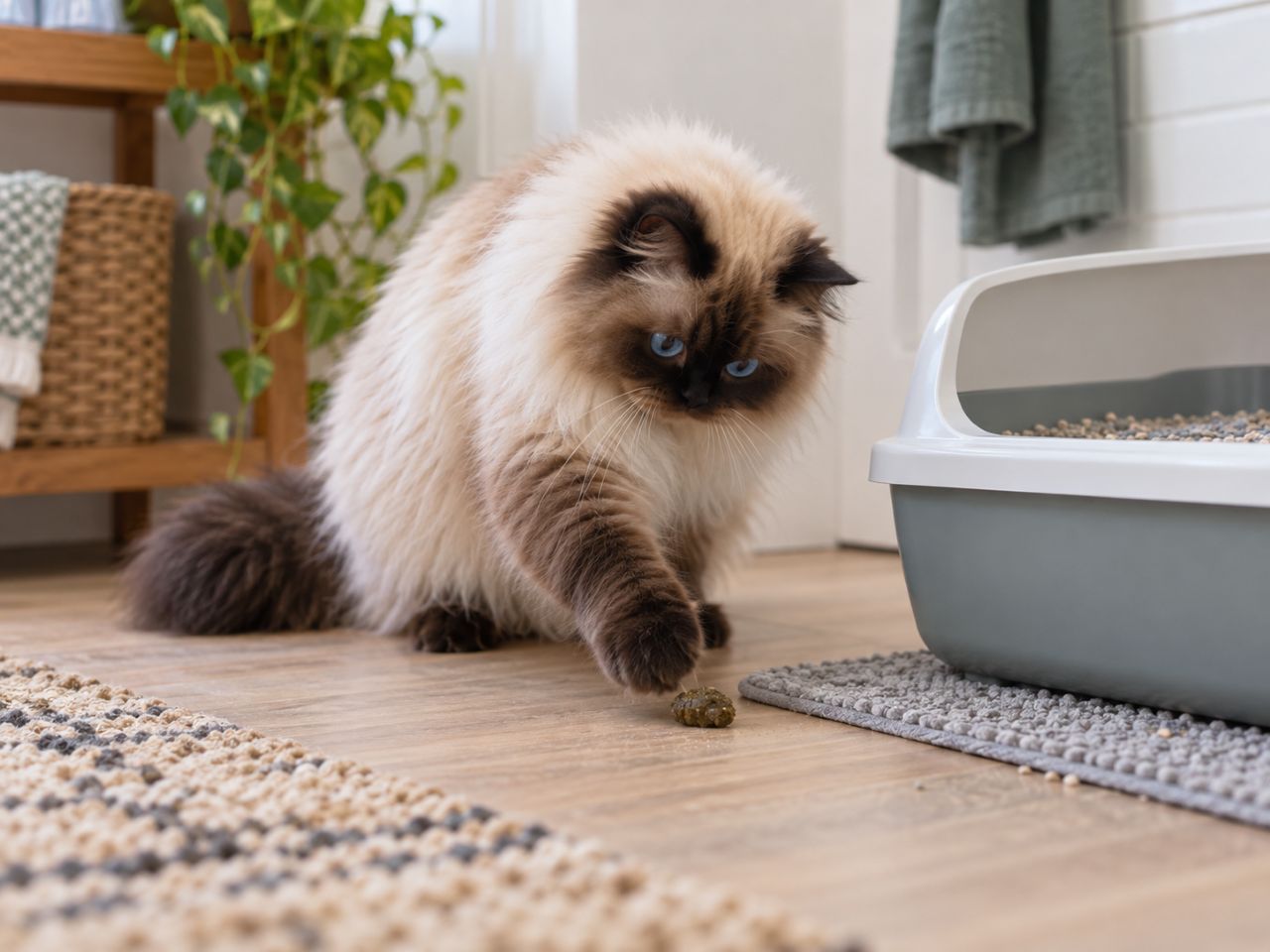
Why Does My Cat Play With Poop?

Some cats will pull a firm piece of poop from the litter box and bat it across the floor just as they would a toy mouse. Kittens do this more often because they are still figuring out what is worth chasing and what should be left alone. The poop may not have been taken out on purpose. It can be kicked over the side while your cat is covering it, carried out on a paw, or caught in the fur under the tail. A box that is too small makes all of this more likely. If it happens once and your cat’s stool looks normal, clean it up and keep an eye on the next few litter box visits. If the habit keeps returning—or you notice hard stool, diarrhea, straining, blood, or a sudden change in an adult cat—there may be more going on than simple play. Is Your Cat Actually Playing With Poop? Watch one litter box visit from a distance if you can. What happens before the poop reaches the floor often tells you more than the mess itself. What you see What it may mean What to check Your cat deliberately hooks out a firm piece, then
Cat Lifestyle

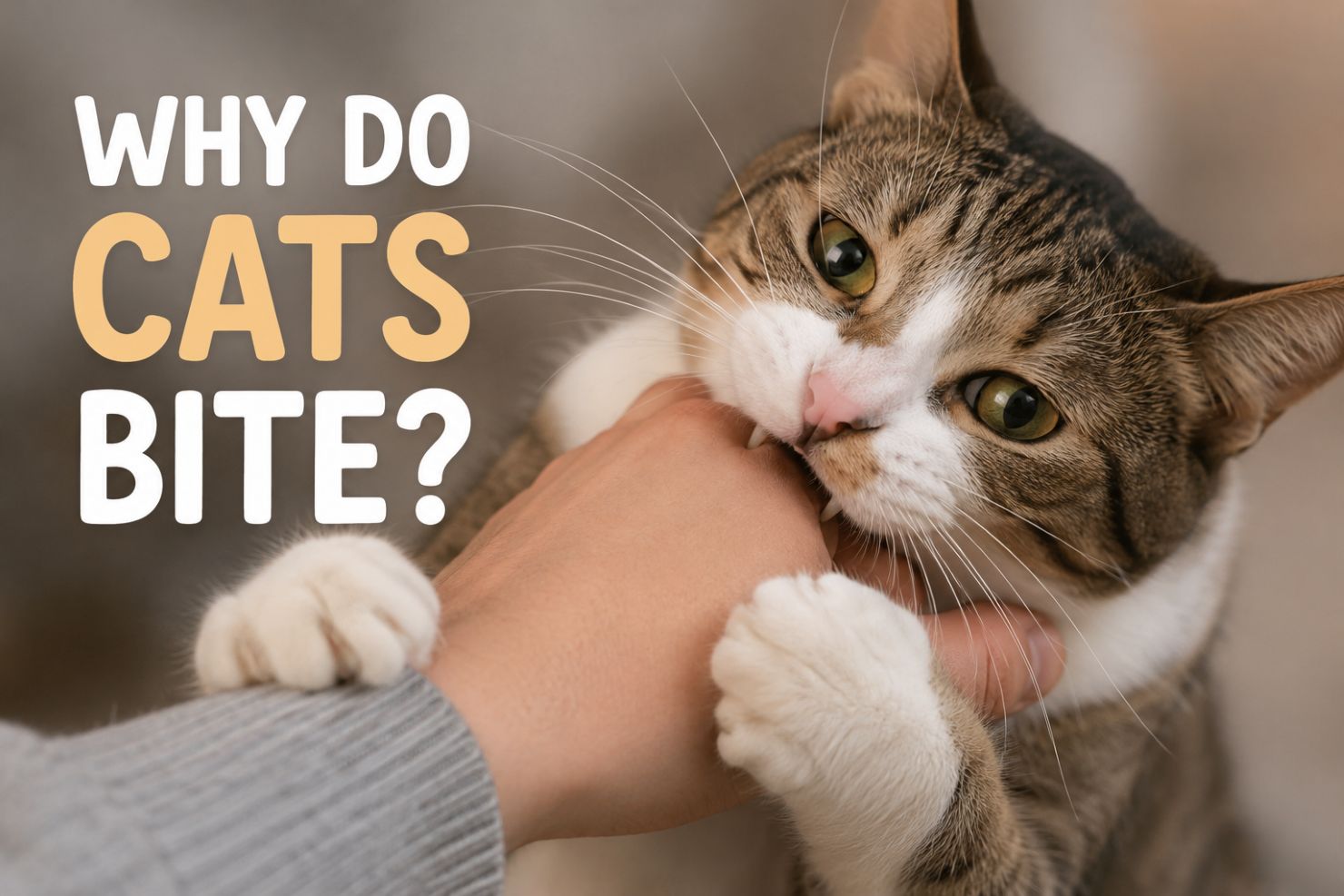
Why Do Cats Bite? Causes, Warning Signs, and Solutions

You are petting your cat. They are purring, their eyes are half closed, and everything seems peaceful. Then their teeth close around your hand. The bite may be soft enough to feel almost playful, or sharp enough to send you across the room looking for a bandage. Either way, the sudden switch can feel personal. It usually is not. Cats bite to communicate, play, hunt, defend themselves, stop unwanted contact, or respond to pain. A gentle nibble from a relaxed cat may be a playful or social gesture. A hard bite from a tense cat is more likely to mean fear, frustration, overstimulation, or physical discomfort. The moments before the bite matter. So do the pressure of the bite, your cat’s posture, and what happens next. What Does It Mean When a Cat Bites You? A cat’s mouth is one of the tools they use to explore and control their surroundings. Kittens bite during play. Adult cats may bite when hunting, grooming, defending territory, or ending an interaction. When a cat bites a person, the behavior often falls into one of these categories: Veterinary sources describe cat biting as a form of feline communication rather than proof that a cat

Cat Lifestyle

Why Do Cats Lick You? What Your Cat Is Really Trying to Say

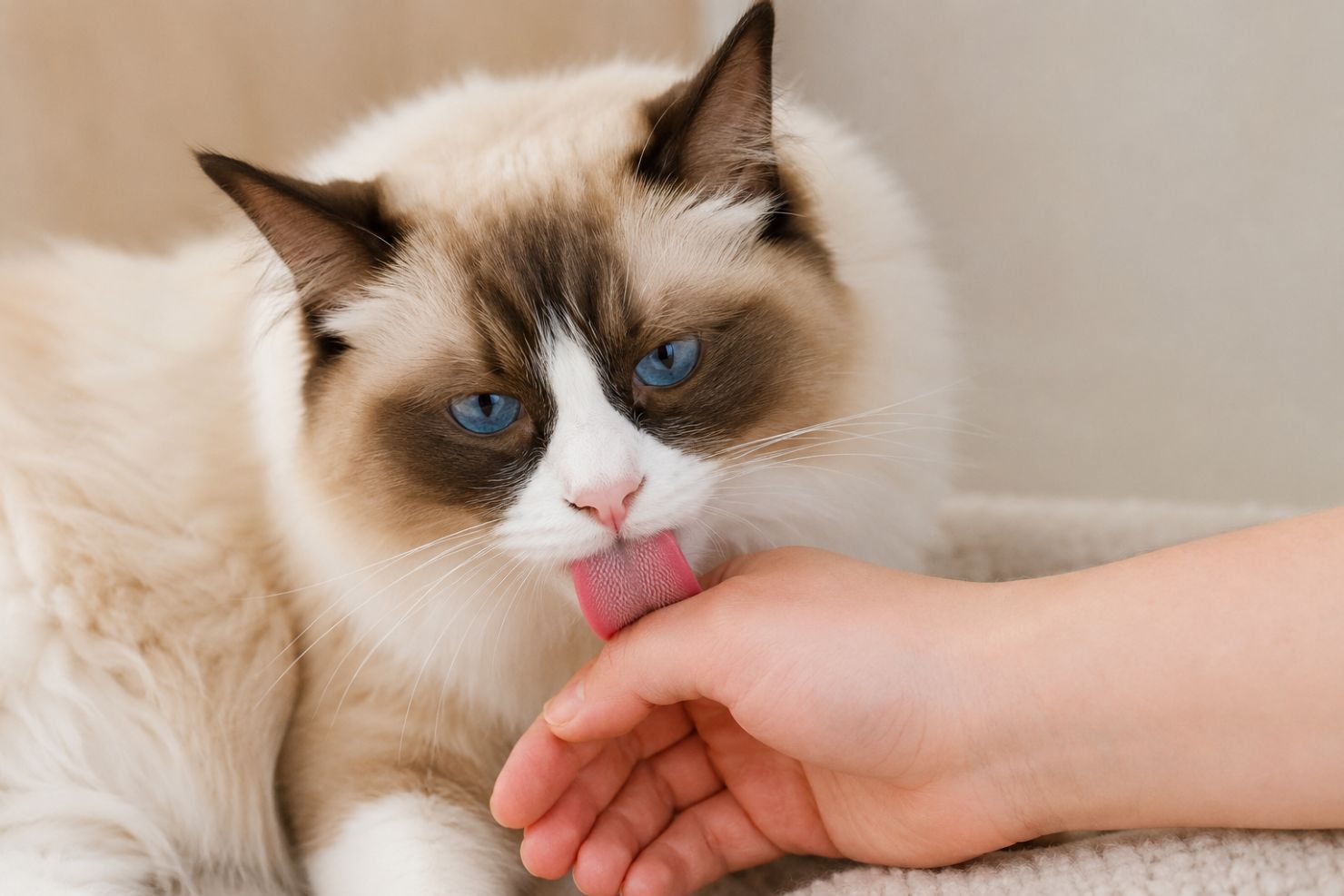
Your cat hops onto the couch, settles beside you, and starts licking your hand. At first, it feels rather sweet. A few seconds later, that tiny sandpaper tongue is scraping the same patch of skin with the focus of someone removing old wallpaper. What is going on? Cats lick people for several reasons. Your cat may be grooming you, showing affection, sharing scent, asking for attention, or investigating something tasty on your skin. Some cats also lick when they feel nervous or overstimulated. When the behavior appears suddenly or becomes difficult to interrupt, pain or illness may be involved. A lick on its own does not reveal the whole message. Look at your cat’s posture, tail, ears, and what happened just before the licking began. Those clues usually tell you far more than the tongue does. Why Does My Cat Lick Me? Cats are dedicated groomers. They lick their coats to remove loose hair and debris, spread natural oils, and keep their fur in good condition. Friendly cats may also groom each other, particularly around the head and neck. When your cat licks you, that normal grooming behavior has been redirected toward a human family member. 7 Common Reasons Cats

Cat Lifestyle

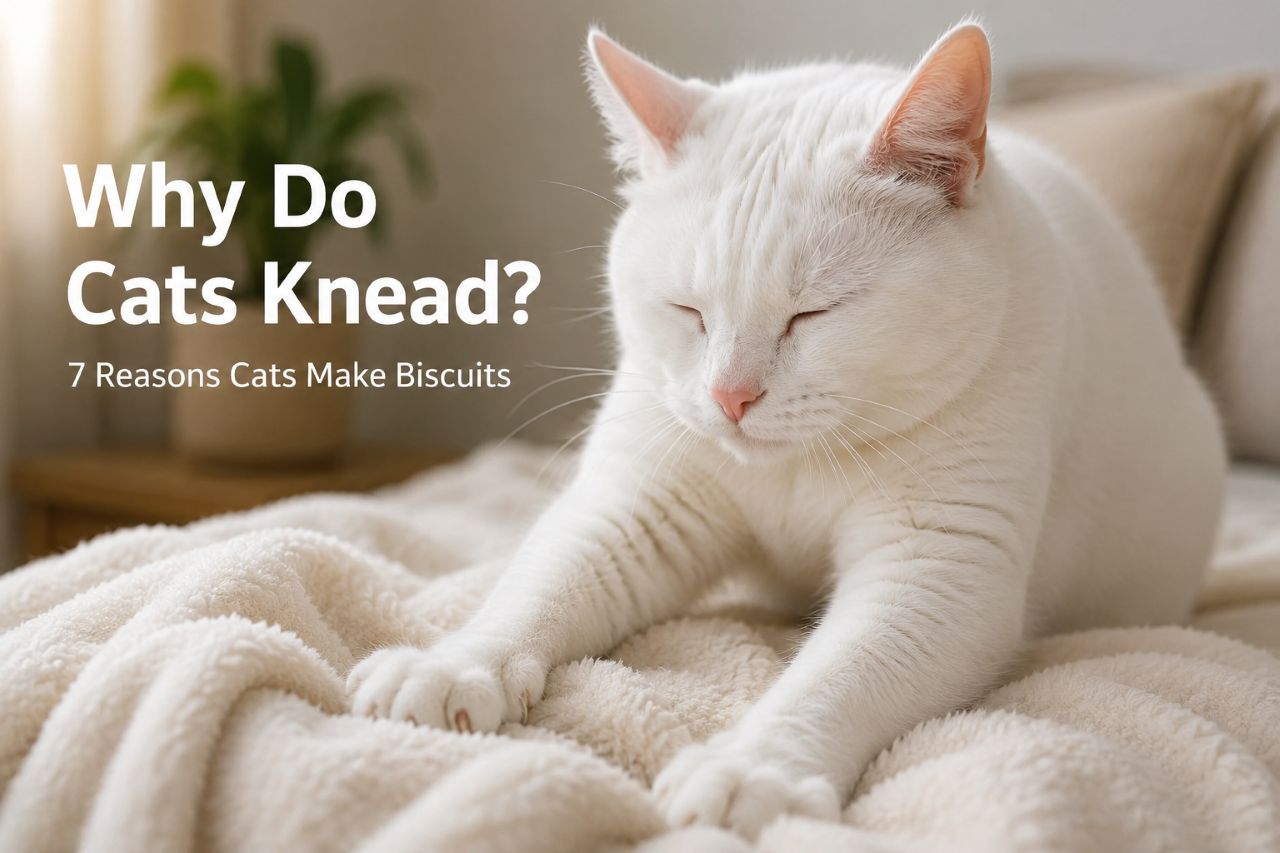
Why Do Cats Knead? 7 Reasons Cats Make Biscuits

Your cat climbs onto your lap, turns in a small circle, and begins pressing one front paw down, then the other. Sometimes there is purring. Sometimes there is drooling. And sometimes those tiny claws go straight through your shirt. This rhythmic paw movement is called cat kneading, although many cat owners affectionately call it “making biscuits.” So, why do cats knead? Cats usually knead because the movement is connected to comfort, safety, and habits formed during kittenhood. An adult cat may also knead to prepare a sleeping area, stretch its body, mark a familiar place with its scent, or calm itself when feeling stressed. In most cases, is cat kneading normal? Yes, it is completely normal. It is often a sign that your cat feels relaxed and secure. However, a sudden or dramatic change in the behavior can occasionally point to stress, pain, or another health concern requiring a trip to the vet. What Is Cat Kneading? Kneading is a repetitive movement in which a cat pushes its front paws against a soft surface, usually alternating between the left and right paw. Cats may knead: Some cats keep their claws tucked away. Others extend their claws with every push, turning

Health & Care

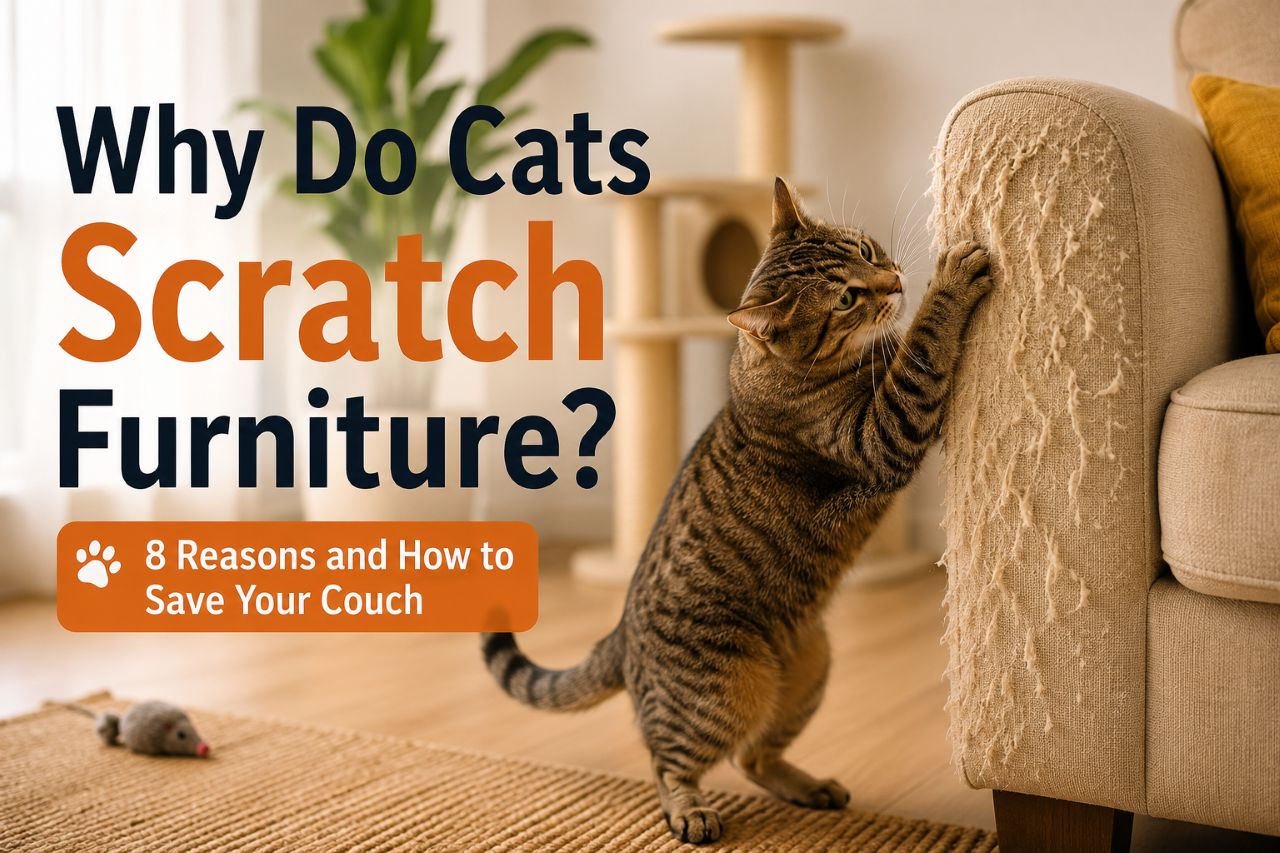
Why Do Cats Scratch Furniture? 8 Reasons and How to Save Your Couch

Your cat is not plotting against your sofa. It may feel personal when you walk into the living room and find fresh claw marks on the armrest, especially if that couch cost more than your first car payment. But cat scratching furniture is not revenge, spite, or bad manners. It is normal feline behavior with a job behind it. Cats scratch to care for their claws, stretch their bodies, mark their space, burn off energy, and feel secure. The problem is not that your cat scratches. The problem is that your cat chose the couch, carpet, curtains, dining chair, or bed frame instead of something you actually want them to scratch. The good news? You usually do not need to “stop” the behavior. You need to redirect it. Let’s unpack why do cats scratch furniture, why they seem to pick your favorite pieces, and how to protect your home without turning your cat into a stressed little gremlin. Why Do Cats Scratch Furniture? Cats scratch furniture because scratching is a natural instinct. It helps them: Furniture often wins because it is sturdy, tall, textured, and placed in important areas of the home. A sofa arm, for example, is almost perfect

Cat Lifestyle

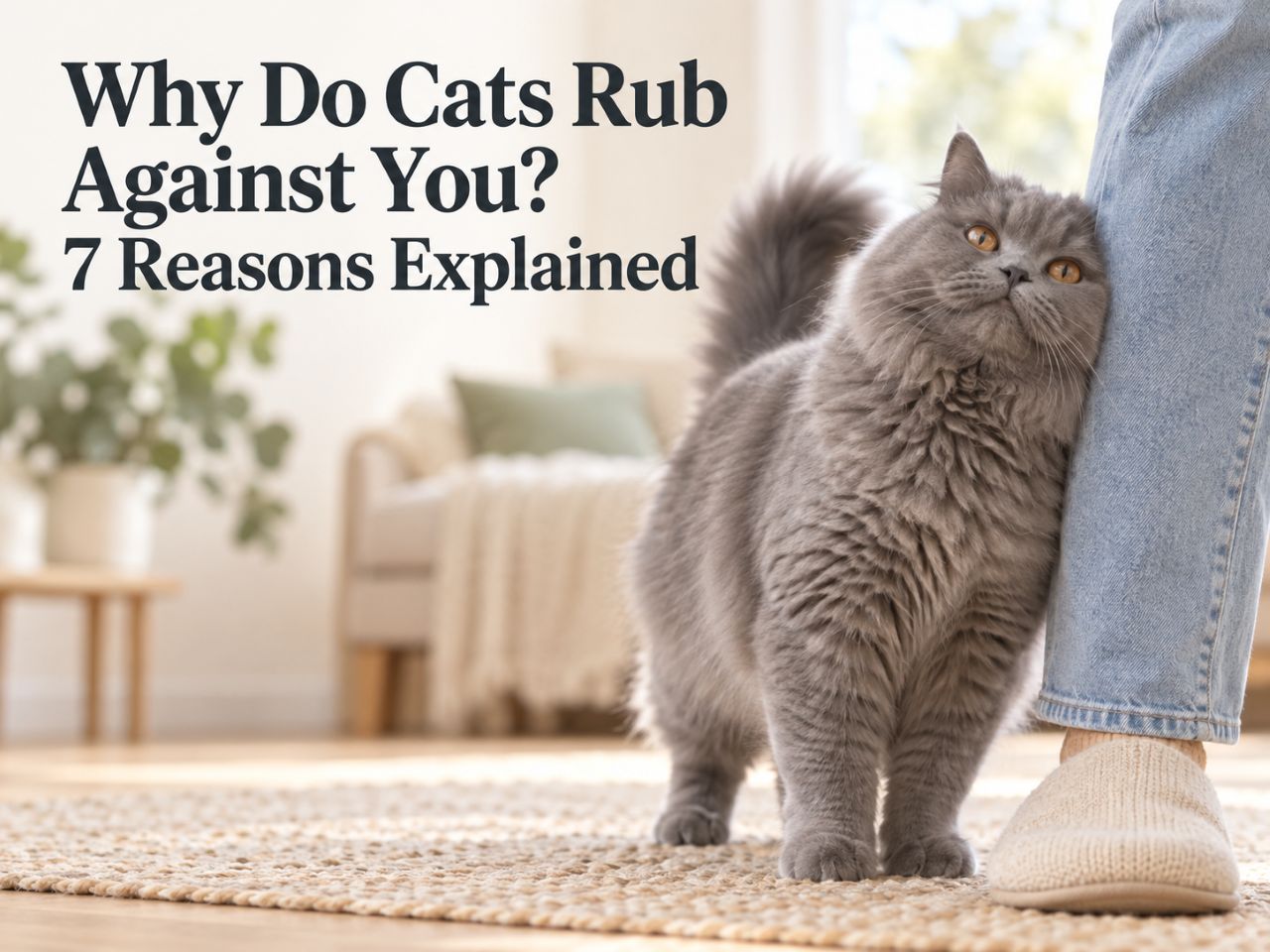
Why Do Cats Rub Against You? 7 Reasons Explained

You walk through the door, and your cat immediately loops around your ankles. A cheek brushes your leg, the tail curls past your calf, and then the whole routine starts again. It can feel like affection, a demand for dinner, or a carefully planned attempt to trip you. Most of the time, cats rub against you as a friendly greeting and a way to maintain a familiar social connection. The contact can also leave scent signals, get your attention, or lead you toward something they want. One rub may carry several of those meanings at once. The rest of your cat’s body tells you which meaning fits. An upright tail, relaxed muscles, soft eyes, and an easy approach usually point to a comfortable social interaction. A low body, flattened ears, twitching tail, or quick retreat tells a different story. What Is Cat Rubbing Called? People often call any firm head nudge a “headbutt,” but cat bunting is the more useful term. Bunting usually involves the forehead, temple, cheek, or side of the face. A cat may press into your hand and then turn their head so your fingers slide across the cheek. When a cat rubs their head or body

Cat Lifestyle Health & Care

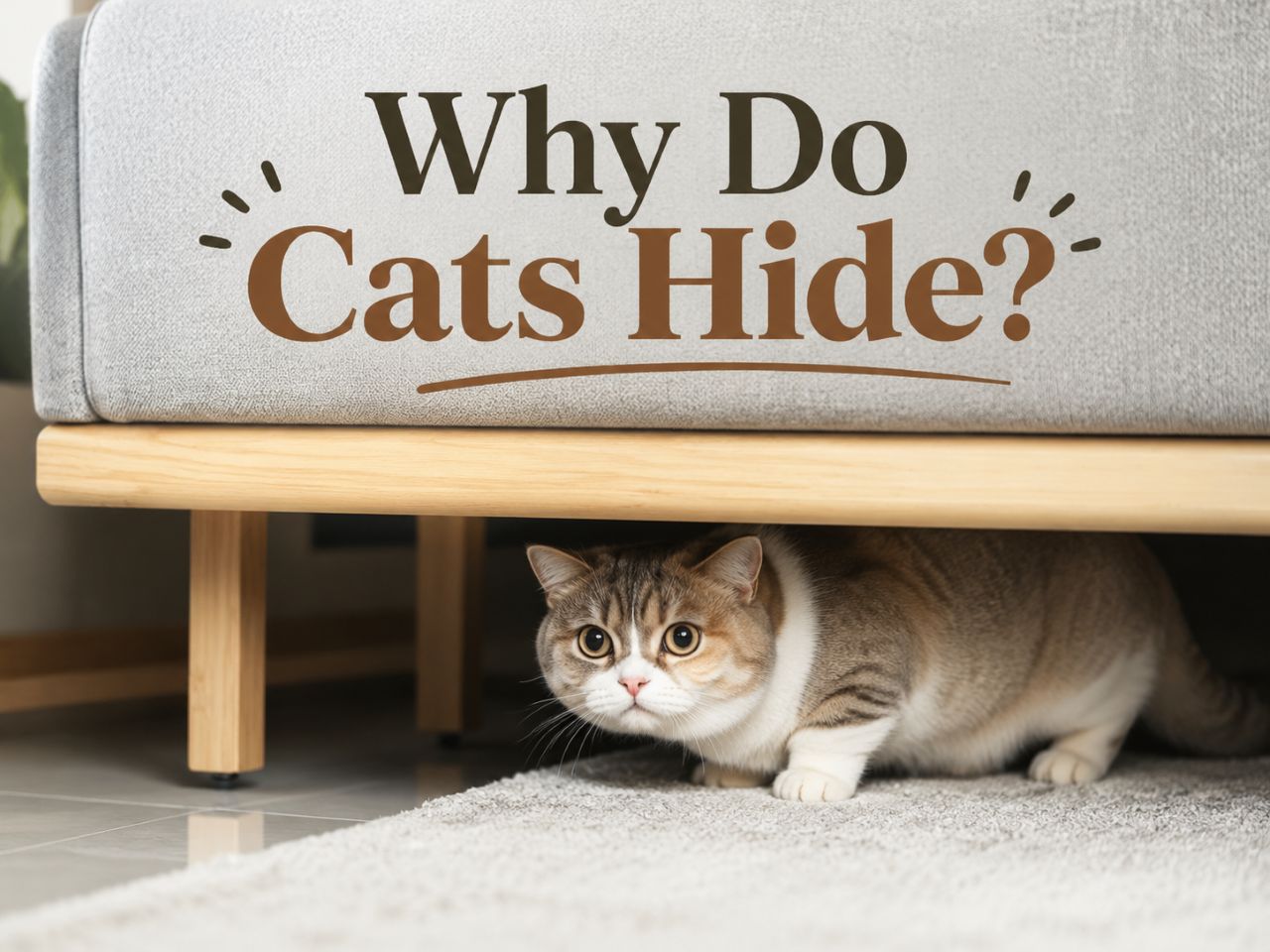
Why Do Cats Hide? 9 Common Reasons and When to Worry

Cats have an impressive talent for disappearing inside their own homes. One minute they are following you into the kitchen. The next, they have folded themselves into a closet corner you did not know existed. So, why do cats hide? In many cases, hiding is completely normal. Cats hide when they want to sleep, feel secure, avoid noise, or prepare to ambush a toy. A hiding place can function as a private bedroom, lookout post, and emotional reset button all at once. A sudden change is different. When a social pet begins spending most of the day as a cat hiding under the bed, or when you find yourself asking why is my cat hiding so suddenly while they stop eating and using the litter box normally, the behavior may point to fear, stress, pain, or illness. The key is not simply noticing that your cat hides. It is understanding what is normal for your particular pet and spotting when they are cat hiding more than usual. Why Do Cats Hide? The Quick Answer Cats hide because enclosed spaces help them feel protected and undisturbed. Hiding may be connected to natural survival instincts, sleep, play, stress, household changes, unfamiliar visitors,

Health & Care

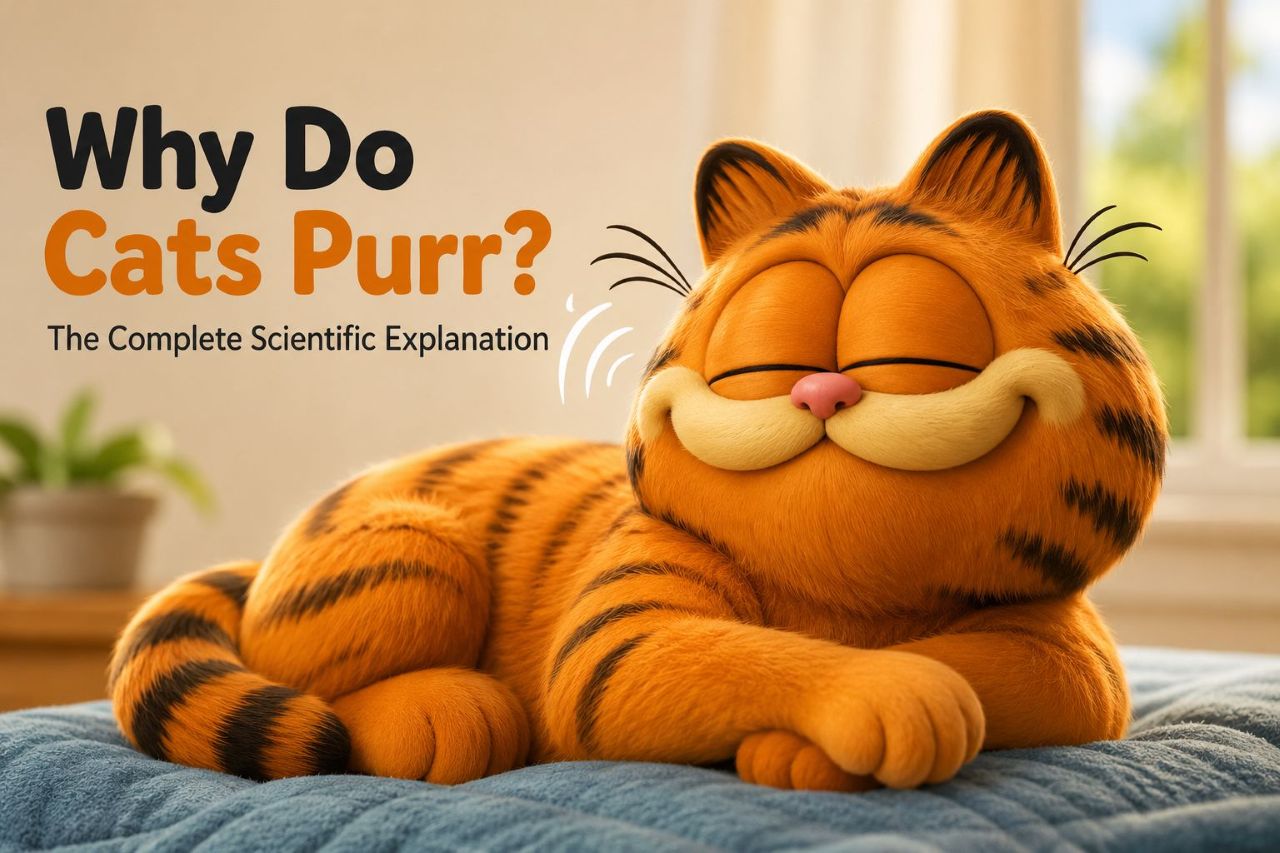
Why Do Cats Purr? The Complete Scientific Explanation

You hear it while your cat naps on the couch. It starts the moment you scratch behind their ears. Sometimes it even happens at the veterinarian’s office, when your cat clearly doesn’t look relaxed. So what’s really going on? Many people believe a cat purring always means happiness, but veterinarians and feline behavior experts have learned that’s only one piece of the puzzle. A purr can signal comfort, trust, anxiety, pain, recovery, communication, or even a carefully learned strategy to convince you it’s dinner time. To truly understand why cats purr, it helps to look beyond the sound itself. The science behind purring involves anatomy, neurology, behavior, and evolution, making it one of the most fascinating forms of feline communication. This guide explores how cats produce their signature rumble, what it means in different situations, and when an unusual purr might deserve closer attention. What Is Purring and How Do Cats Produce the Sound? A cat’s purr is a continuous, low-frequency vibration that differs completely from a meow, hiss, growl, or chirp. Unlike those vocalizations, a purr creates a steady rhythm that continues through both inhaling and exhaling, giving it the smooth, uninterrupted sound every cat owner recognizes. For years,

Cat Training

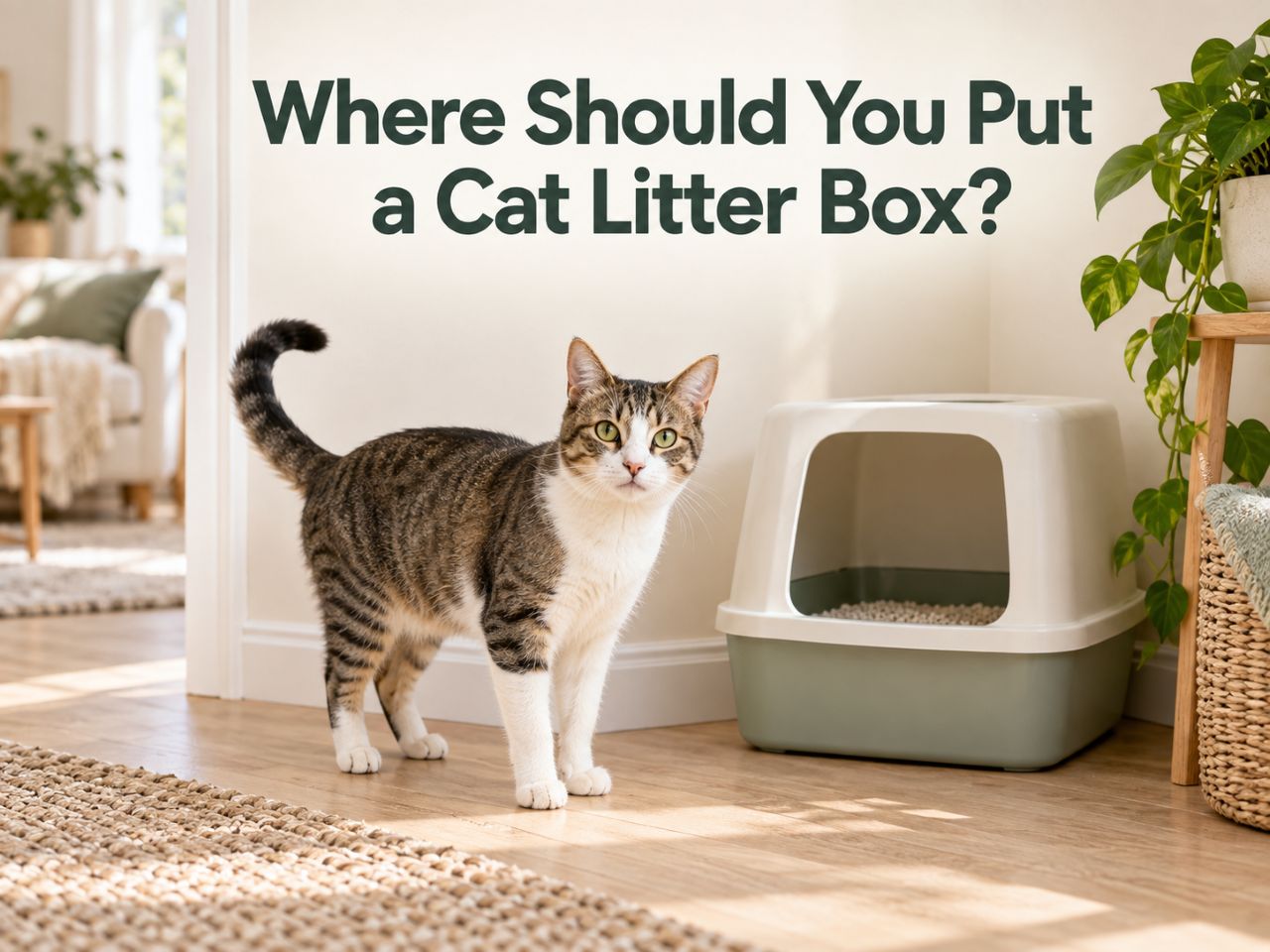
Where Should You Put a Cat Litter Box?

The best place for a cat litter box is a quiet, low-traffic spot your cat can reach at any hour. It should be away from food and water, protected from sudden noise, and open enough for your cat to see what is coming and leave without being cornered. A spare bathroom, calm bedroom corner, home office, wide hallway landing, or cat-only area can all work. The name of the room matters less than what happens there. A bathroom with a door that is often shut is a poor choice. A discreet living room corner that stays open and calm may be a very good one. For a multi-story home, keep at least one box on every level your cat uses. In a multi-cat home, start with one box per cat plus one extra, then spread those boxes into separate locations rather than lining them up together. Privacy Does Not Mean Hiding the Box Far Away Cats want some privacy while eliminating, but most do not want to disappear into a dark dead end. Using the litter box puts a cat in a vulnerable position. A dog, child, or another cat blocking the doorway can make an otherwise clean box feel

Cat Behavior

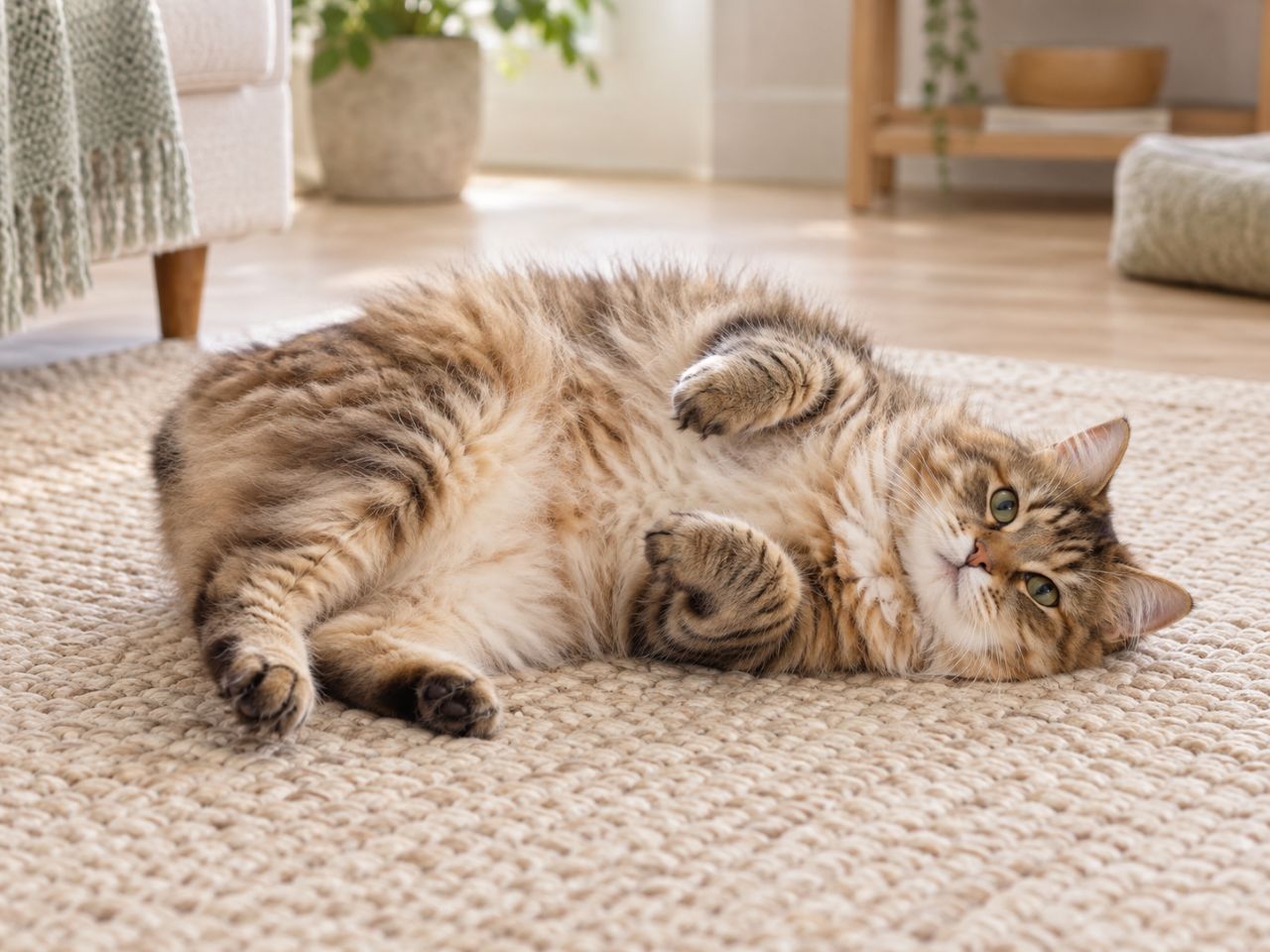
Why Do Cats Roll Over? What It Means?

You walk into the room, your cat looks straight at you, and then—flop. One shoulder hits the floor, the paws curl toward the chest, and the belly appears. It looks like a clear request for a tummy rub. Sometimes it is. Quite often, it is not. Cats roll over for several reasons, including a friendly greeting, attention, play, stretching, a response to catnip, or hormonal behavior. A tense cat may also roll onto their back to defend themselves, while frequent rubbing and rolling can point to itchy skin. The setting and the rest of the cat’s body language matter more than the exposed belly alone. A relaxed social roll is loose and unhurried. The ears stay in a neutral or forward position, the paws look soft, and the cat may purr, trill, or rub a cheek along the floor. A defensive roll looks very different: the muscles tighten, the ears flatten, the pupils widen, and the claws may come out. That distinction can save both you and your cat from an unpleasant misunderstanding. What Does It Mean When a Cat Rolls Over? There is no single translation for rolling over. Think of it as one piece of a larger sentence.

Scroll to Top