Search Results for: Elf

Cat Training

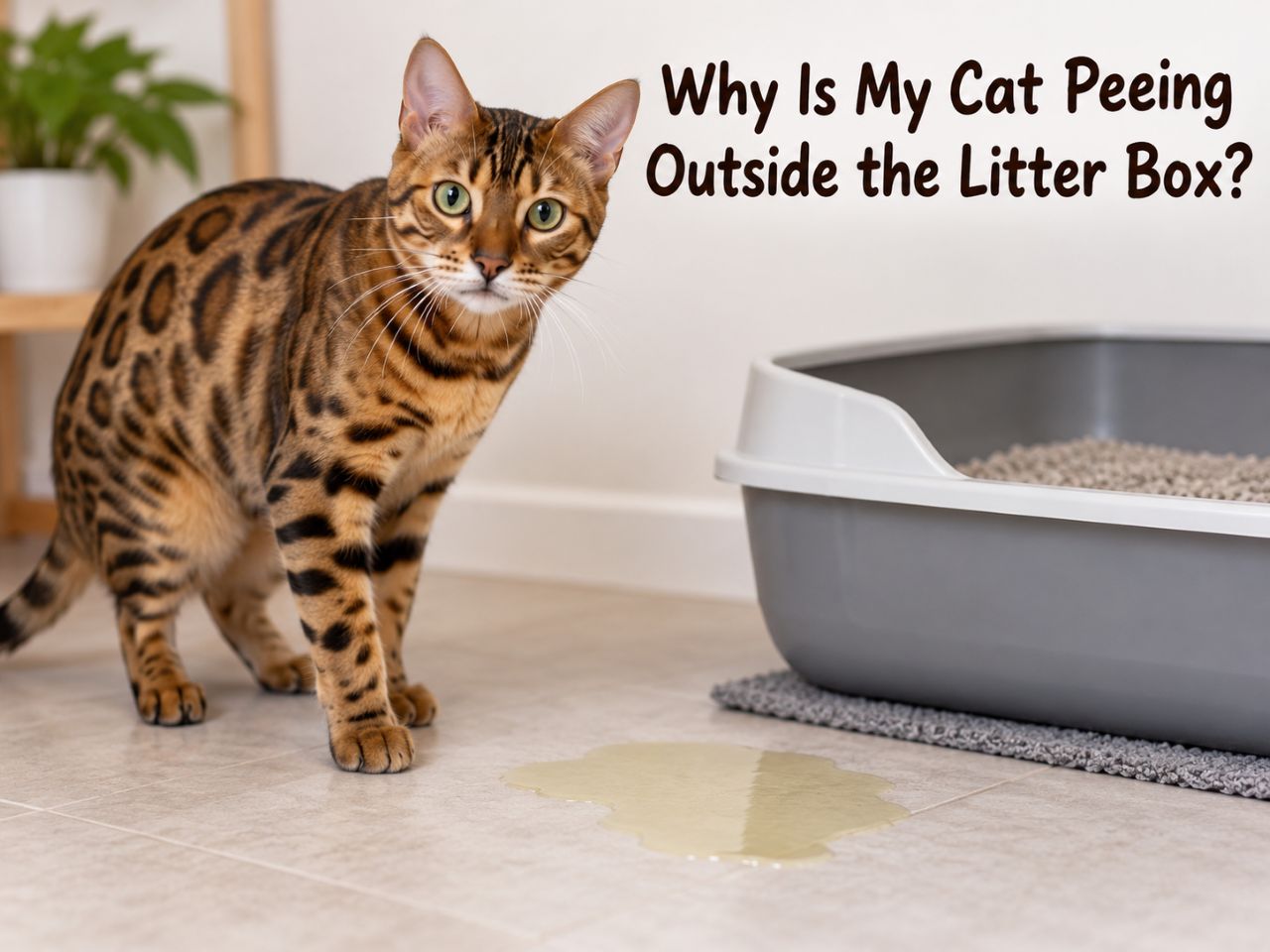
Why Is My Cat Peeing Outside the Litter Box?

Finding a wet spot on the rug or a strong-smelling patch on the bed is frustrating. It’s also information. A cat that stops using the litter box is usually dealing with one of four things: pain or illness, a litter box problem, stress or conflict, or urine marking. It isn’t revenge, and it doesn’t mean your cat has forgotten their training. A sudden change deserves a call to your veterinarian, even when your cat seems fine in every other way. Cats often hide pain. Urinary trouble may show up in the litter box before you notice changes in appetite, energy, or mood. There is one exception to the “make an appointment” approach: a cat that keeps trying to urinate but produces little or no urine may have a blocked urethra. That is an emergency, especially in male cats. Check for a urinary emergency before anything else Go to an emergency veterinary clinic now if your cat: Call your regular veterinarian promptly for blood in the urine, crying during urination, frequent small amounts, or repeated genital licking. If you cannot tell whether urine is coming out—or those signs worsen—treat it as an emergency. Don’t wait until morning to see if a

Cat Lifestyle

Why Do Cats Like Boxes? What Their Box Habit Really Means

You set a delivery box on the floor, walk away for ten seconds, and come back to find your cat folded neatly inside it. The new cat bed may still have its tag on. The box has already been claimed. So, why do cats like boxes? A box gives a cat several useful things at once: cover, a clear view through the opening, a warmer resting spot, an ambush point, and something satisfying to scratch. It also gives the cat a choice about when to be seen and when to step away from activity. No single explanation fits every cat. Age, personality, room temperature, past experiences, and relationships with other pets can all shape the habit. A Box Gives Your Cat Cover and Control Cats often rest in places where they can observe without feeling exposed. The sides of a box shield much of the body, while the opening lets the cat keep track of footsteps, other pets, and whatever is happening across the room. That cover can be especially appealing when guests visit, children are playing, the vacuum is running, or another cat is nearby. Going into a box does not automatically mean a cat is frightened. A relaxed

Cat Nutrition

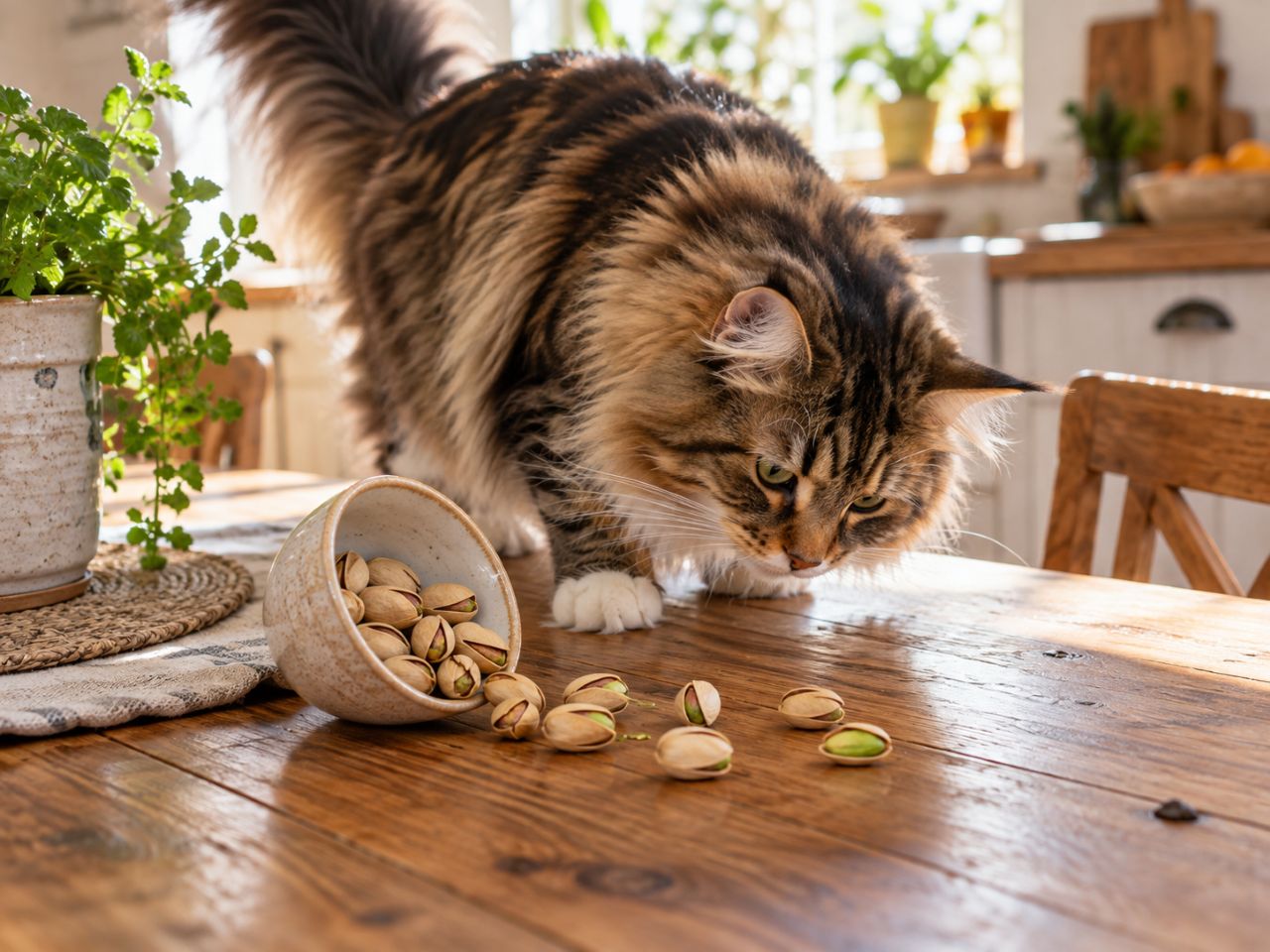
Can Cats Eat Pistachios? Safety Facts for Cat Owners

A pistachio drops beside your chair, and your cat gets to it before you do. Now you need to know whether that missing bite matters. Was it just a piece of the green kernel, or did the hard shell disappear too? Cats should not be fed pistachios as treats. Plain pistachio kernels are not considered inherently poisonous to cats, so a tiny accidental bite is unlikely to cause poisoning. The concerns include digestive upset, swallowed shells, and potentially harmful seasonings. What your cat ate matters as much as how much. Trouble breathing, collapse, or seizures after eating anything require immediate emergency veterinary care. My Cat Ate a Pistachio. What Should I Do? Move the nuts and discarded shells out of reach. Keep the package so you can check the ingredients and describe the product accurately if you need veterinary advice. Try to establish whether your cat swallowed a kernel, a shell, or both. Note the approximate amount and when it happened. Your cat’s weight, age, medical conditions, and any symptoms will help a veterinarian assess the situation. What happened What to do A healthy adult cat ate a tiny piece of a fresh, plain kernel with no shell Serious poisoning

Cat Behavior

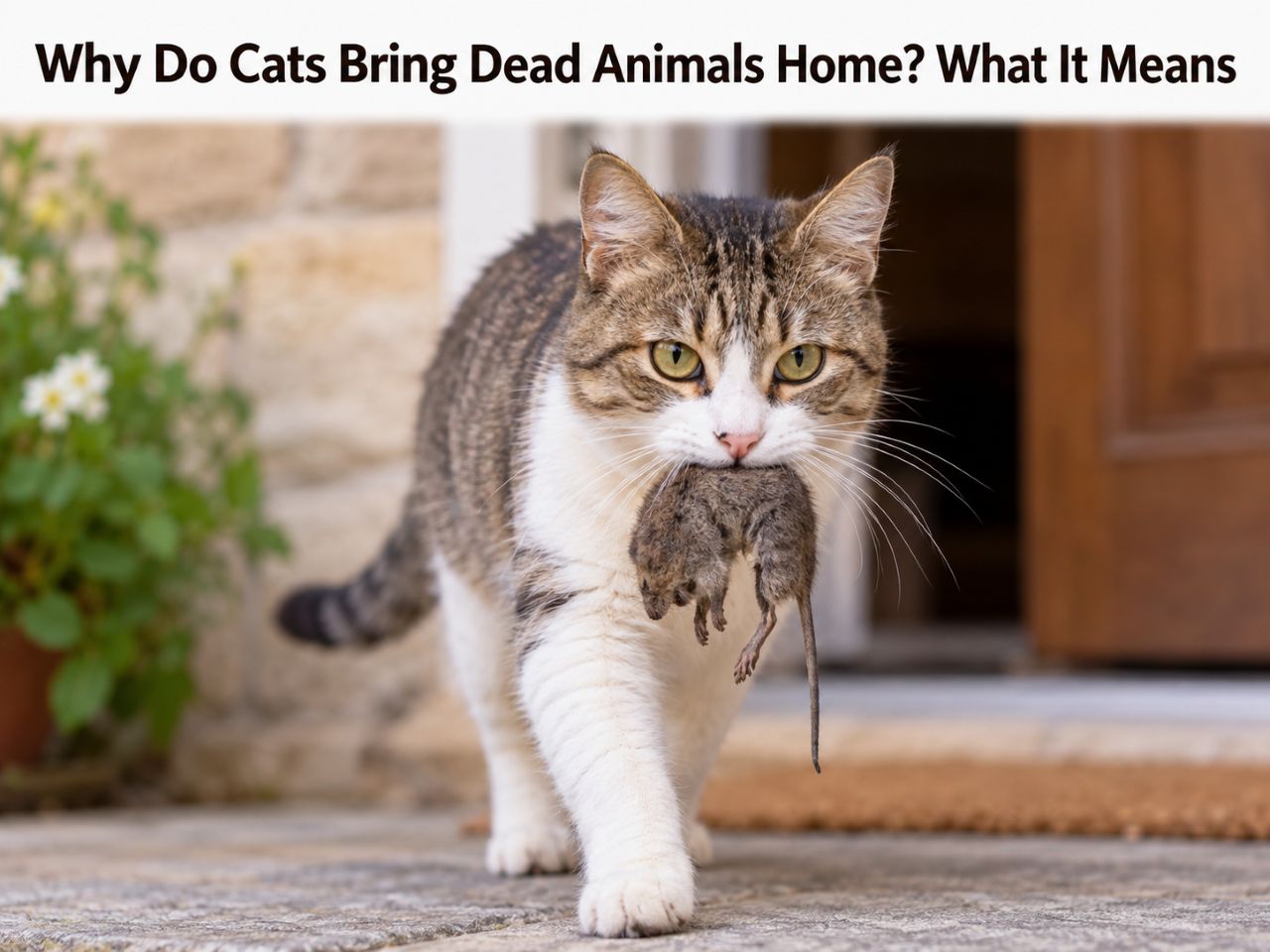
Why Do Cats Bring Dead Animals Home? What It Means

You walk into the kitchen and stop. There is a mouse on the floor, your cat is sitting nearby, and neither one of them appears nearly as bothered as you are. It is easy to read this scene as a message. Maybe your cat brought you a gift. Maybe they think you are a terrible hunter. Those explanations are popular, but feline behavior is rarely that tidy. Cats bring dead animals home mainly because hunting is a natural behavior and home is a familiar, secure place to carry captured prey. A cat may return there to eat, store, inspect, or abandon the catch without competition from another animal. Mother cats do carry prey to kittens, so teaching or sharing may play a role in some cases. We cannot know that this is what a pet cat intends when they leave a mouse beside your shoes. The behavior is usually normal. It is not revenge, a warning, or proof that your cat is underfed. A Full Food Bowl Does Not Switch Off the Hunt Domestic cats do not hunt only when they need dinner. Fast movement, rustling grass, and the high-pitched sounds made by small animals can start the sequence of

Health & Care

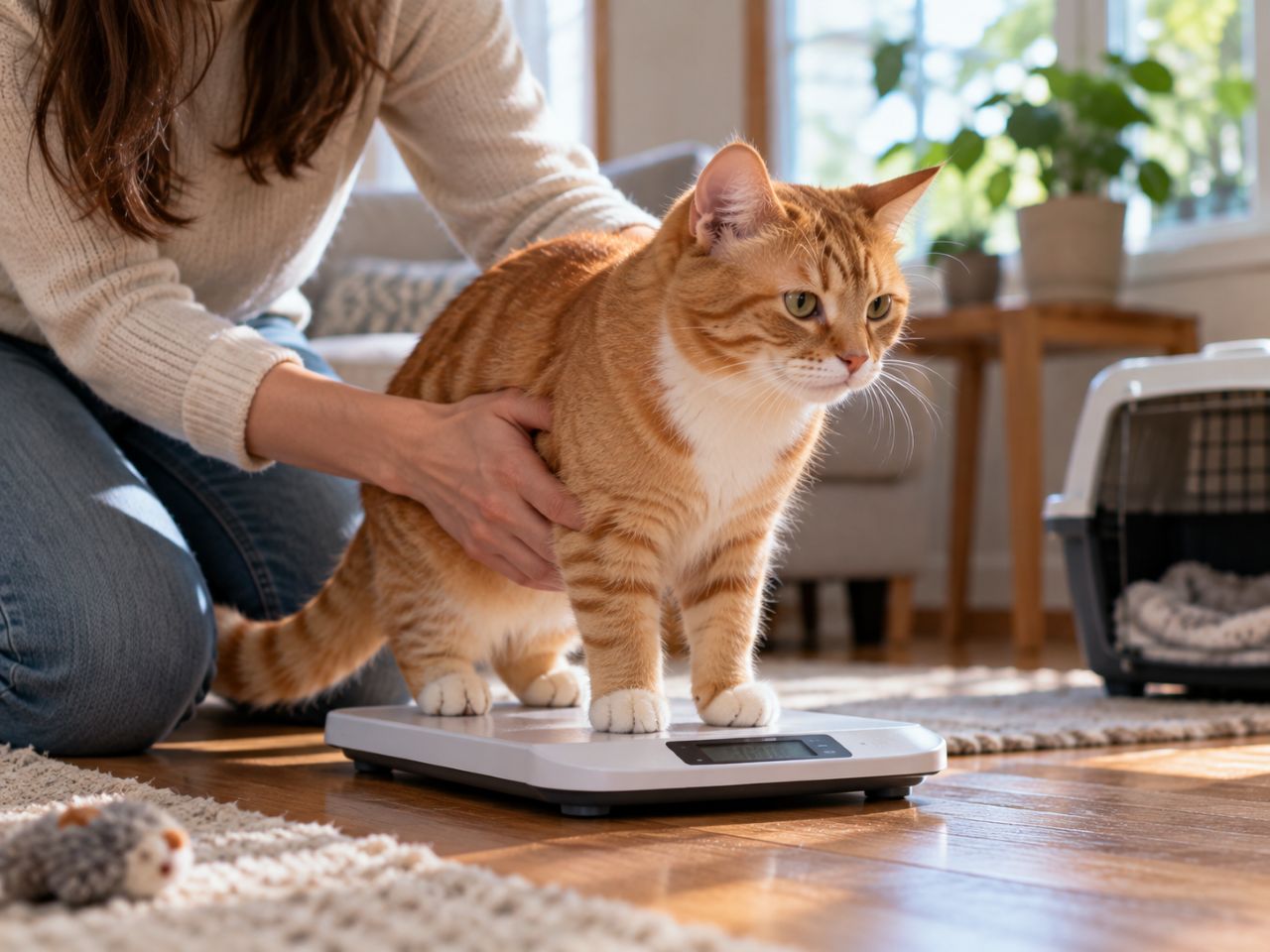
How to Weigh Your Cat: 6 Vet-Approved Steps

Weighing a cat sounds easy until your cat sees the scale, steps on it with one paw, and leaves. The most accurate home method is to place your cat on a digital pet or baby scale set on a hard, level surface. If you don’t own one, weigh yourself alone, weigh yourself again while holding your cat, and subtract the first number from the second. A carrier or sturdy box can help with cats that won’t sit still. The number itself is only part of the picture. Recording your cat’s weight regularly can reveal a gradual change that’s easy to miss beneath fur. Pair that number with your cat’s body shape, muscle condition, appetite, and behavior. Why Weighing Your Cat at Home Is Worth Doing You see your cat every day, which makes slow physical changes surprisingly hard to notice. A half-pound difference may not look dramatic, but it equals 5% of the body weight of a 10-pound cat. Veterinary nutrition guidelines treat an unexplained weight change as a reason for further assessment. They also recommend looking at body condition and muscle condition instead of relying on pounds alone. Regular weigh-ins can help you: Home measurements don’t replace veterinary exams.

Cat Behavior

How to Tell If Your Cat Is Depressed: 9 Common Reasons

“Depressed” is often the word people use when their cat becomes quiet and withdrawn. It may describe what they are seeing, but it does not explain why it is happening. Pain, nausea, fear, grief, and changes at home can all make a cat stop playing, hide more, sleep differently, or lose interest in food. From the outside, these problems can look almost identical. The best way to judge the change is to compare your cat with their own normal routine. This guide covers the signs to watch for, nine possible reasons behind them, and when it is time to call your veterinarian. Can Cats Get Depressed? Cats can show lasting changes in mood, interest, activity, and social behavior after a loss or stressful event. People commonly describe this as cat depression. It is not exactly the same as clinical depression in humans. A cat cannot describe feelings of sadness, hopelessness, or loss of pleasure. Veterinarians must work from behavior, physical findings, medical history, and changes in the cat’s environment. A more useful question is: Has my cat stopped doing things that normally matter to them? For one cat, that may mean ignoring a favorite feather wand. Another may stop sleeping

Cat Lifestyle

Why Do Cats Hate Water? What Their Reaction Really Means

Most cats do not hate water in every form. They may watch a dripping faucet, dip a paw into their bowl, or sit beside the shower. What many cats dislike is having their whole body soaked, especially when they did not choose it. So, why do cats hate water? Wet fur can feel heavy and cold. A bathtub offers poor footing and few escape routes. Running water is loud, shampoo changes a cat’s familiar scent, and one frightening bath can create a lasting negative association. There is no single proven explanation. A cat’s reaction probably comes from a mix of physical discomfort, unfamiliar sensations, individual personality, and past experience. Cats May Dislike Getting Wet, Not Water Itself A cat playing with a faucet and a cat trying to escape a bath are not behaving inconsistently. Pawing at a stream lets the cat investigate from a dry, stable position. The cat controls how close it gets and can leave at any moment. Being lowered into a sink is different. Suddenly, water surrounds its paws, the floor feels slippery, and a person may be holding its body in place. That loss of choice changes the entire experience. This also explains why some

Cat Lifestyle

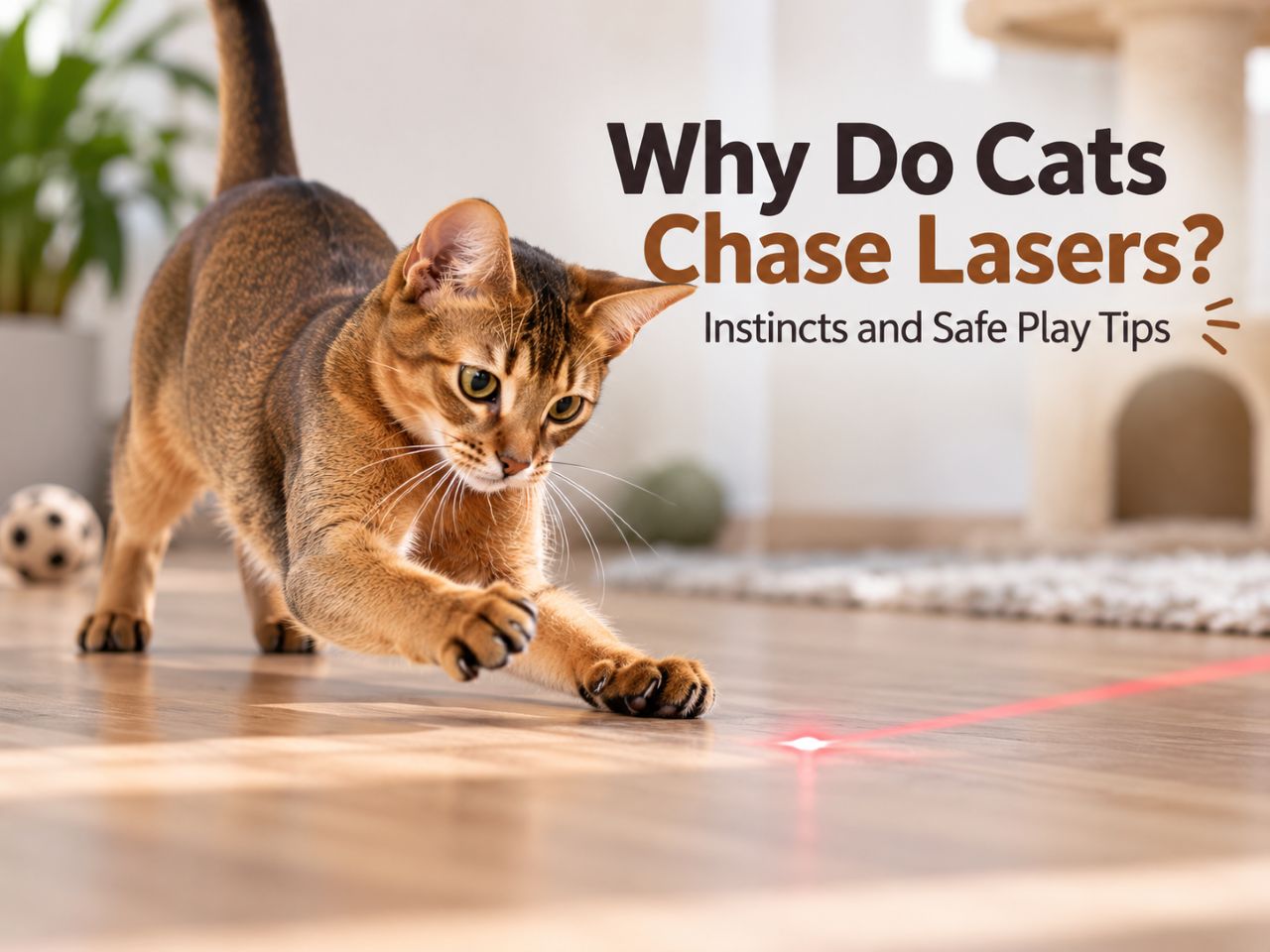
Why Do Cats Chase Lasers? Instincts and Safe Play Tips

Cats chase lasers because the moving dot triggers their natural hunting instincts. A small target that darts across the floor, pauses, and suddenly changes direction gives a cat something to stalk and pursue. Your cat can respond to those movements even after a full meal. The tricky part comes when they pounce. Their paws land on the target, but there is nothing to hold. Some cats lose interest and walk away. Others keep searching for the light after it disappears. That difference matters. A good play session gives your cat an engaging activity they can comfortably leave behind when it ends. Why a Tiny Moving Dot Gets Such a Big Reaction A moment ago, your cat was resting beside the couch. Now their body is low, their eyes are fixed on the floor, and they are waiting for the right moment to jump. The laser has provided a moving target for a familiar sequence: watch, stalk, chase, and pounce. Movement Triggers the Chase Cats are predators, and movement helps draw their attention to potential prey. A laser dot can supply some of those visual cues without having the shape, smell, or texture of a real animal. Its direction changes keep

Cat Breeds

Why Do Cats Follow You? 9 Reasons Explained

So, why do cats follow you from room to room? Most cats do it because they feel bonded to you, expect food or attention, enjoy monitoring their surroundings, or have learned that following you leads to something rewarding. A clingy cat or Velcro cat that suddenly becomes much more attentive may also be feeling stressed, insecure, uncomfortable, or unwell. In most cases, having a furry shadow is perfectly normal. The trick to understanding cat behavior is looking at when the behavior happens, what your cat does while following you, and whether anything else has changed. What Does It Mean When a Cat Follows You? A cat walking behind you is not displaying one single message. The meaning changes with the setting. A relaxed cat with upright ears and a gently raised tail may simply want company. A cat follows me everywhere near the kitchen shortly before dinner probably has a more edible goal in mind. A senior cat that suddenly trails you while crying at night deserves closer attention. Cats may have a reputation for independence, but independence does not mean emotional indifference. Research has found that many cats develop recognizable attachment patterns with their caregivers and use familiar people

Cat Lifestyle

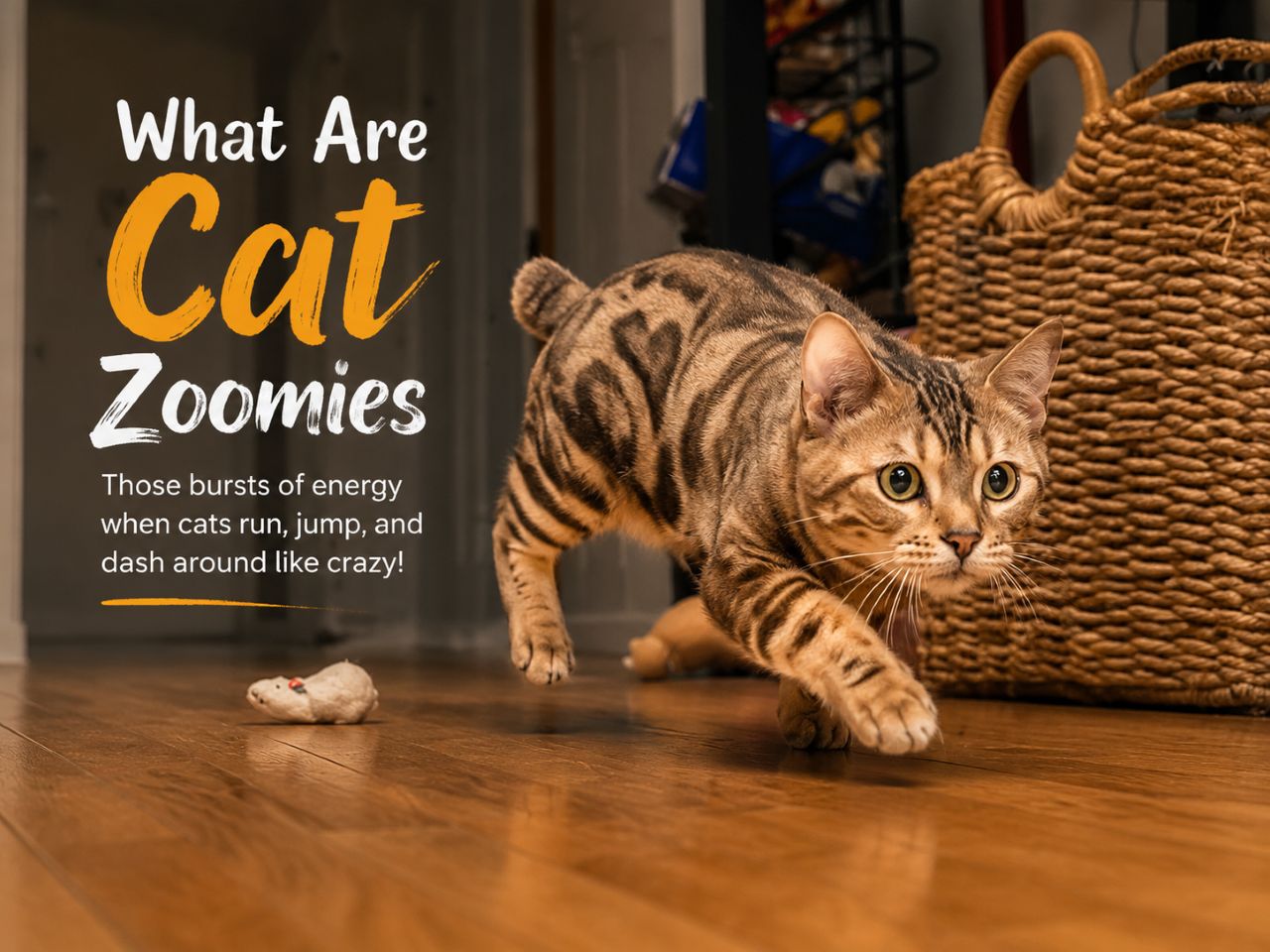
What Are Cat Zoomies? Causes, Warning Signs and Tips

That sudden explosion of speed is known as cat zoomies. Zoomies are brief bursts of intense activity in which a cat may sprint, leap, pounce, climb, spin, or change direction without any obvious goal. The behavior can look chaotic, but in most cases, it is a normal way for cats to release energy and act out their natural movement patterns. Veterinary professionals also call these episodes frenetic random activity periods, or FRAPs. They are especially common in kittens, young cats, and indoor cats with energy to burn. Cats may have zoomies after waking up, using the litter box, eating, playing, or simply noticing that the house has finally become quiet enough for a private racetrack. Most feline zoomies are harmless. A sudden change in how often they happen, or frantic running accompanied by pain, fear, vocalization, litter box trouble, or weight loss, deserves closer attention. What Are Cat Zoomies? What does “cat zoomies” mean? The term cat zoomies describes a short, energetic episode in which a cat suddenly races through the house. A typical zoomie session may include: The episode often starts without warning and ends just as abruptly. Your cat may run at full speed for a minute, stop

Scroll to Top