Search Results for: Elf

Cat Lifestyle

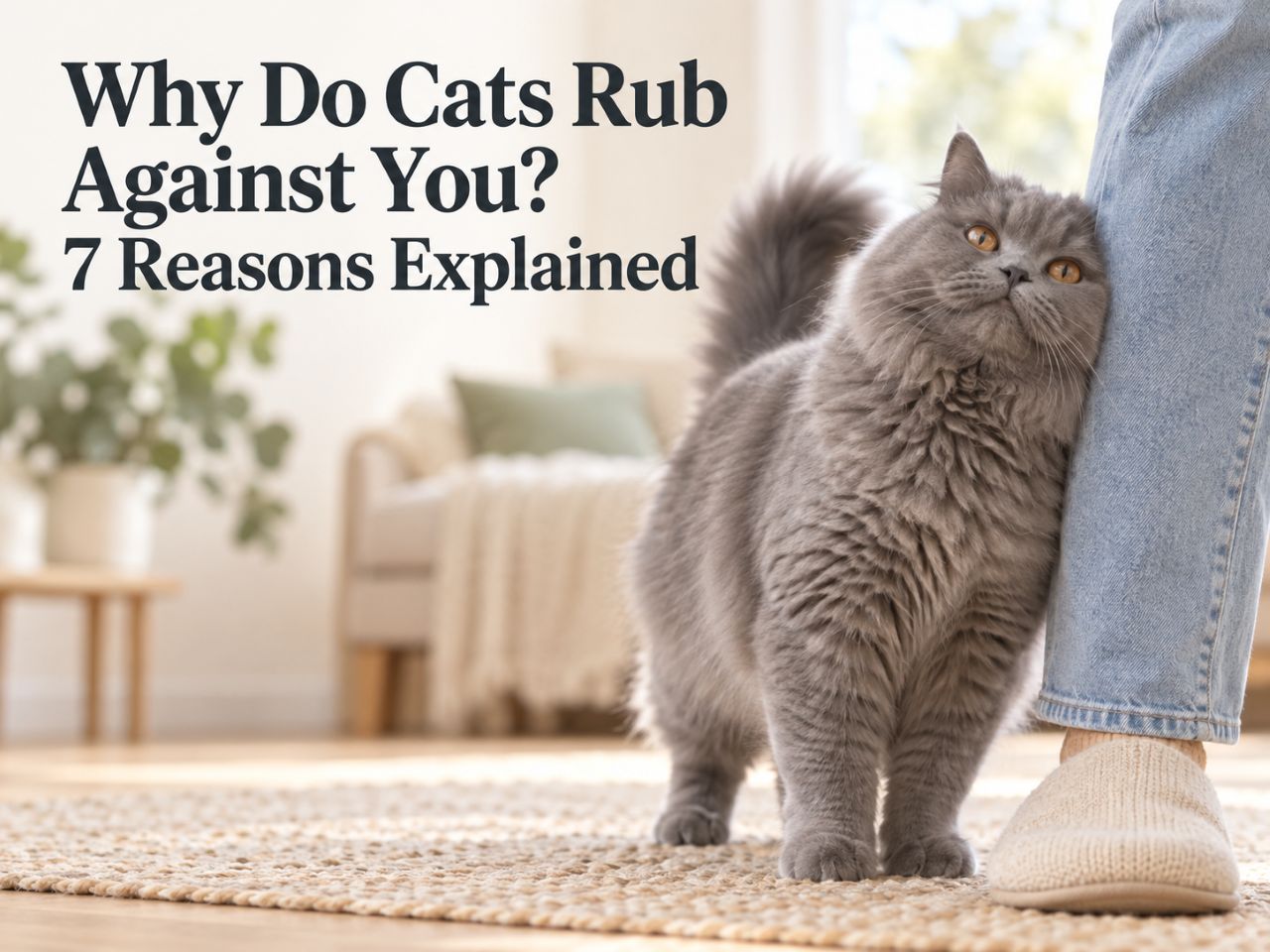
Why Do Cats Rub Against You? 7 Reasons Explained

You walk through the door, and your cat immediately loops around your ankles. A cheek brushes your leg, the tail curls past your calf, and then the whole routine starts again. It can feel like affection, a demand for dinner, or a carefully planned attempt to trip you. Most of the time, cats rub against you as a friendly greeting and a way to maintain a familiar social connection. The contact can also leave scent signals, get your attention, or lead you toward something they want. One rub may carry several of those meanings at once. The rest of your cat’s body tells you which meaning fits. An upright tail, relaxed muscles, soft eyes, and an easy approach usually point to a comfortable social interaction. A low body, flattened ears, twitching tail, or quick retreat tells a different story. What Is Cat Rubbing Called? People often call any firm head nudge a “headbutt,” but cat bunting is the more useful term. Bunting usually involves the forehead, temple, cheek, or side of the face. A cat may press into your hand and then turn their head so your fingers slide across the cheek. When a cat rubs their head or body
Cat Lifestyle Health & Care

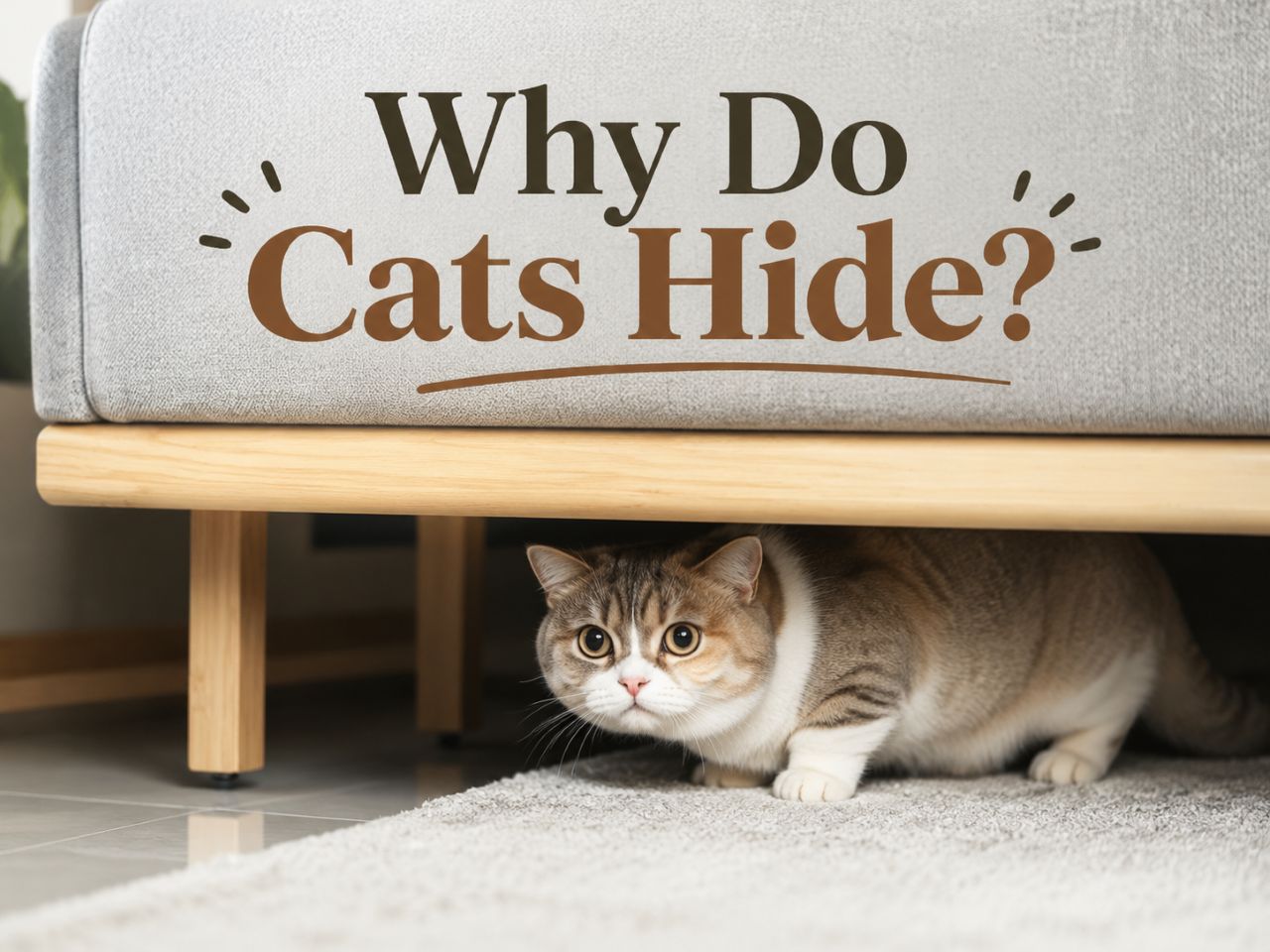
Why Do Cats Hide? 9 Common Reasons and When to Worry

Cats have an impressive talent for disappearing inside their own homes. One minute they are following you into the kitchen. The next, they have folded themselves into a closet corner you did not know existed. So, why do cats hide? In many cases, hiding is completely normal. Cats hide when they want to sleep, feel secure, avoid noise, or prepare to ambush a toy. A hiding place can function as a private bedroom, lookout post, and emotional reset button all at once. A sudden change is different. When a social pet begins spending most of the day as a cat hiding under the bed, or when you find yourself asking why is my cat hiding so suddenly while they stop eating and using the litter box normally, the behavior may point to fear, stress, pain, or illness. The key is not simply noticing that your cat hides. It is understanding what is normal for your particular pet and spotting when they are cat hiding more than usual. Why Do Cats Hide? The Quick Answer Cats hide because enclosed spaces help them feel protected and undisturbed. Hiding may be connected to natural survival instincts, sleep, play, stress, household changes, unfamiliar visitors,

Health & Care

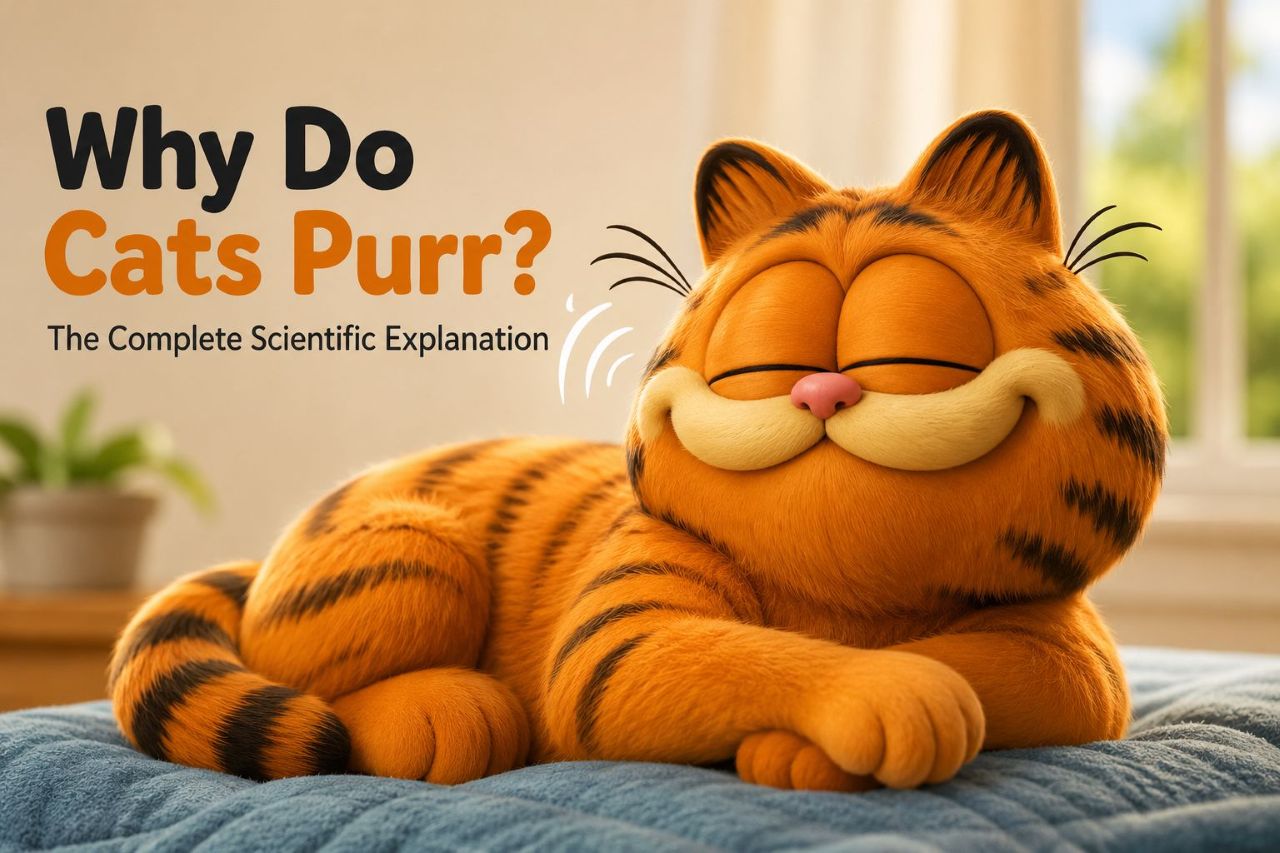
Why Do Cats Purr? The Complete Scientific Explanation

You hear it while your cat naps on the couch. It starts the moment you scratch behind their ears. Sometimes it even happens at the veterinarian’s office, when your cat clearly doesn’t look relaxed. So what’s really going on? Many people believe a cat purring always means happiness, but veterinarians and feline behavior experts have learned that’s only one piece of the puzzle. A purr can signal comfort, trust, anxiety, pain, recovery, communication, or even a carefully learned strategy to convince you it’s dinner time. To truly understand why cats purr, it helps to look beyond the sound itself. The science behind purring involves anatomy, neurology, behavior, and evolution, making it one of the most fascinating forms of feline communication. This guide explores how cats produce their signature rumble, what it means in different situations, and when an unusual purr might deserve closer attention. What Is Purring and How Do Cats Produce the Sound? A cat’s purr is a continuous, low-frequency vibration that differs completely from a meow, hiss, growl, or chirp. Unlike those vocalizations, a purr creates a steady rhythm that continues through both inhaling and exhaling, giving it the smooth, uninterrupted sound every cat owner recognizes. For years,

Cat Behavior

Why Do Cats Roll Over? What It Means?

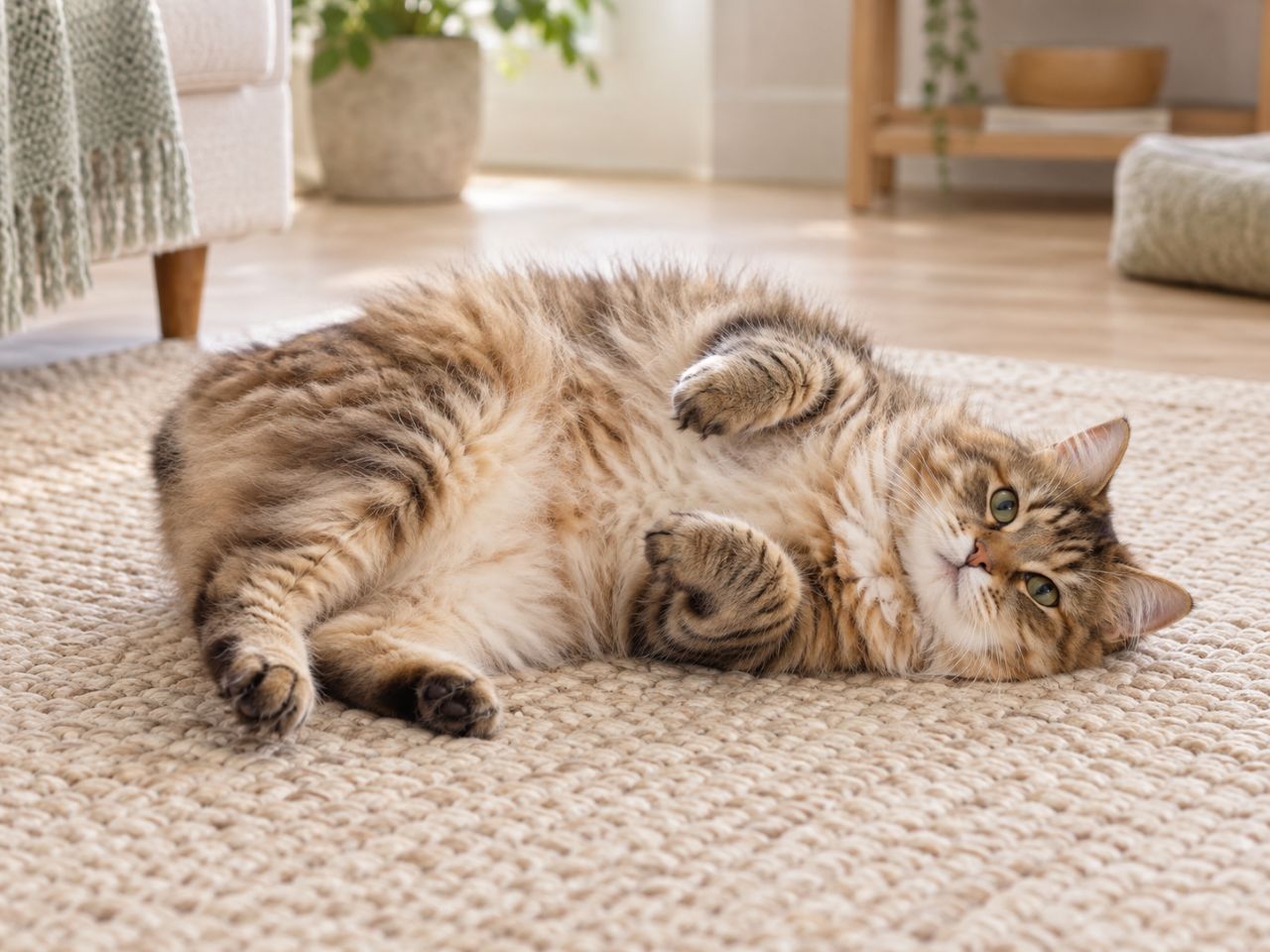
You walk into the room, your cat looks straight at you, and then—flop. One shoulder hits the floor, the paws curl toward the chest, and the belly appears. It looks like a clear request for a tummy rub. Sometimes it is. Quite often, it is not. Cats roll over for several reasons, including a friendly greeting, attention, play, stretching, a response to catnip, or hormonal behavior. A tense cat may also roll onto their back to defend themselves, while frequent rubbing and rolling can point to itchy skin. The setting and the rest of the cat’s body language matter more than the exposed belly alone. A relaxed social roll is loose and unhurried. The ears stay in a neutral or forward position, the paws look soft, and the cat may purr, trill, or rub a cheek along the floor. A defensive roll looks very different: the muscles tighten, the ears flatten, the pupils widen, and the claws may come out. That distinction can save both you and your cat from an unpleasant misunderstanding. What Does It Mean When a Cat Rolls Over? There is no single translation for rolling over. Think of it as one piece of a larger sentence.

Cat Lifestyle

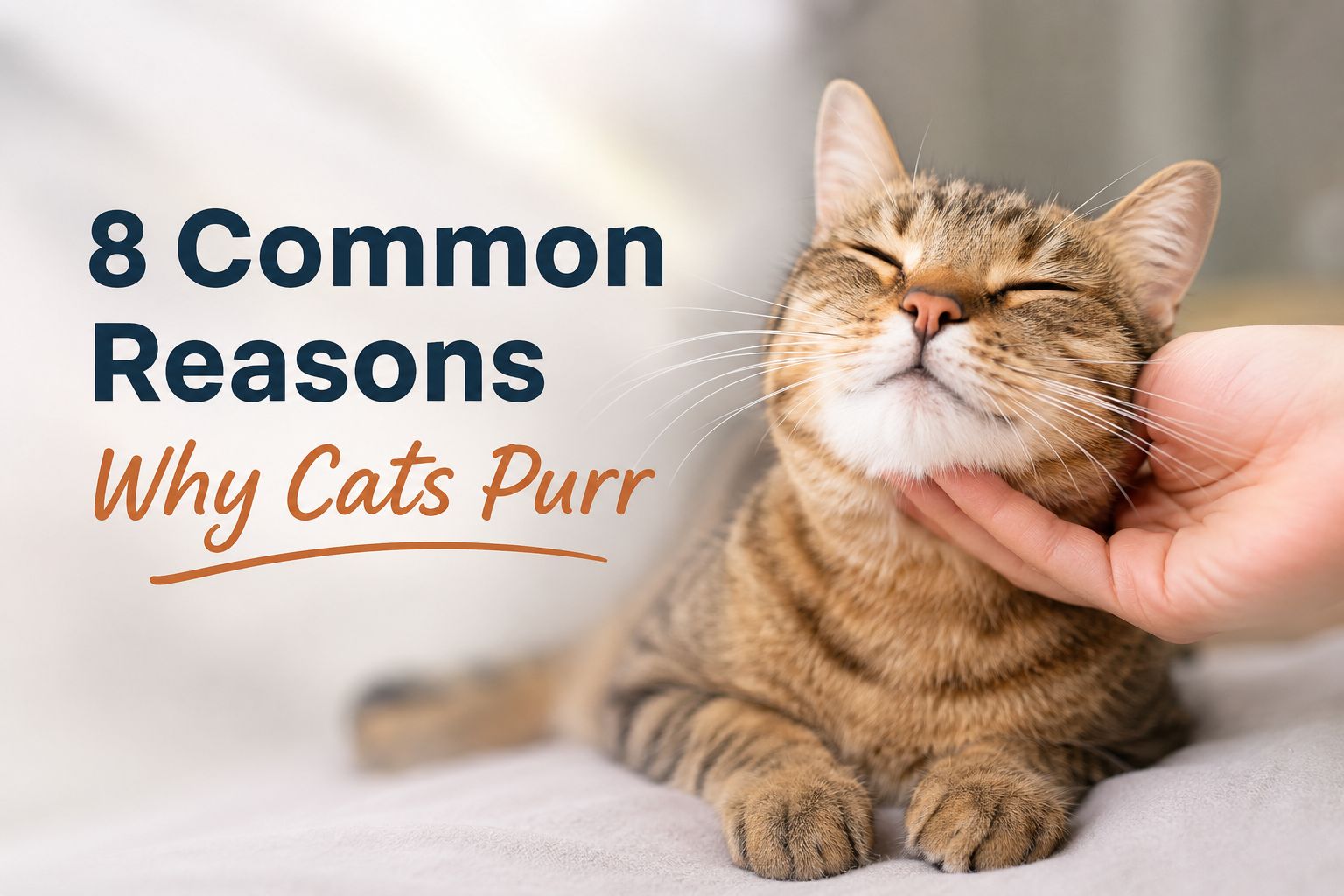
8 Common Reasons Why Cats Purr

Many cat owners assume purring means a cat is content. While that’s often true, it tells only part of the story. Cats purr for many different reasons, ranging from affection and communication to stress relief, pain management, and even physical healing. In fact, veterinarians and animal behaviorists now recognize feline communication as one of the most fascinating aspects of pet ownership. Understanding why cats purr can help you recognize your cat’s emotional state, spot early signs of illness, and strengthen the bond you share. Below are the eight most common reasons cats purr, along with what each one means. 1. Cats Purr When They Feel Happy and Content The most familiar reason for cat purring is simple: they’re relaxed and enjoying life. A comfortable cat often starts purring during peaceful moments. You might hear it while gently scratching under their chin, stroking their back, or when they’re curled up in a warm bed soaking up the afternoon sun. Many cats also purr while grooming themselves or drifting off to sleep. At times like these, purring reflects a deep sense of security. Your cat feels safe, comfortable, and completely at ease in its surroundings. Cat body language usually supports this message.

Cat Nutrition

Can Cats Eat Squash? Nutrition Facts and Safe Feeding Tips

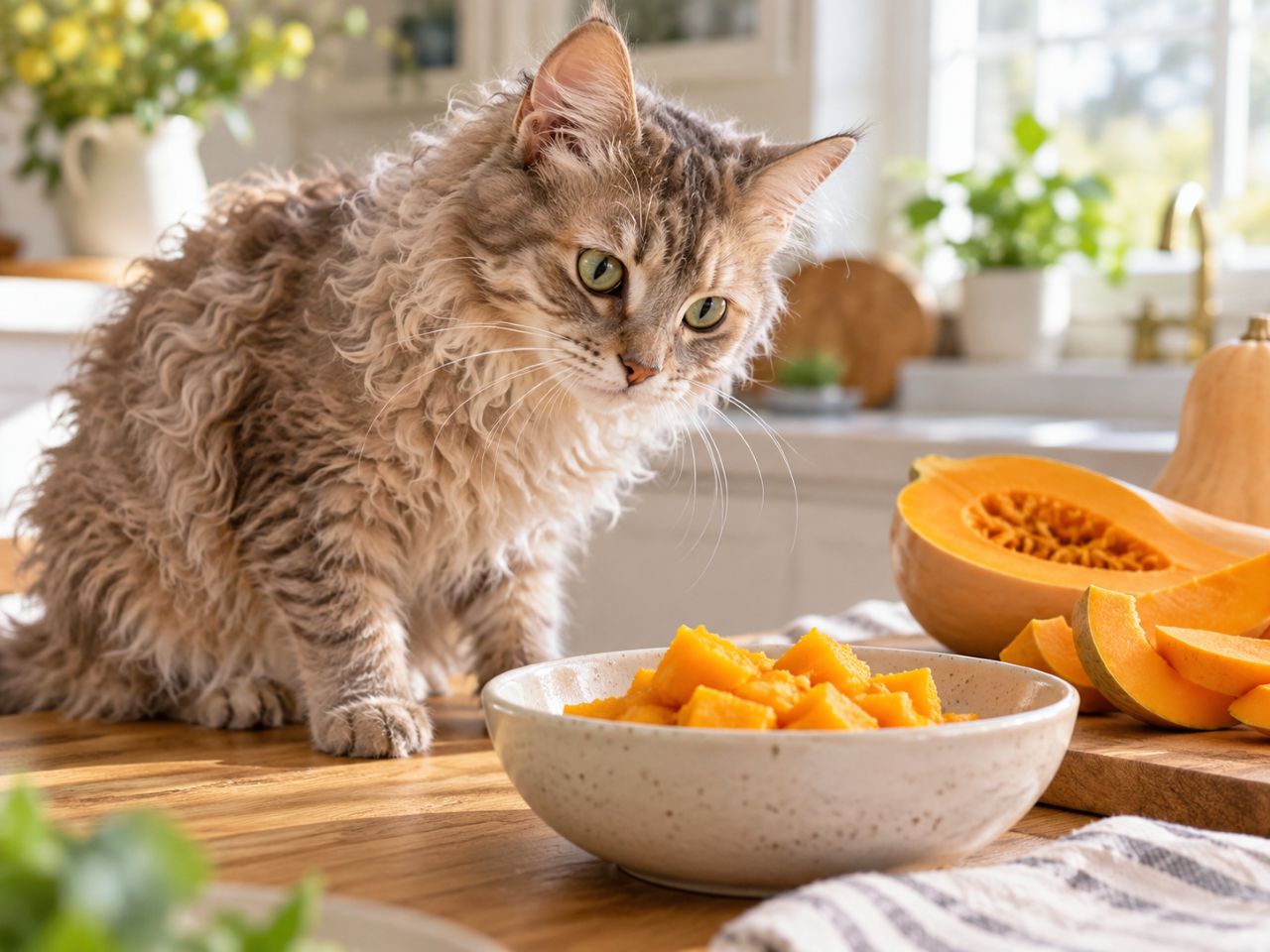
most healthy adult cats can eat a small amount of plain, cooked squash. Butternut squash, acorn squash, spaghetti squash, pumpkin, zucchini, and yellow summer squash can all be offered as occasional tastes. Use soft flesh, remove tough rind and large seeds, and leave out seasonings. Squash should take up only a tiny part of a cat’s diet. A piece of squash set aside while you cook is easy to keep plain. Once it goes into soup, a buttered side dish, or a casserole, you’ll need to check everything else in the recipe before sharing. Cats also don’t need squash to stay healthy. A cat who sniffs it and walks away can get everything they need from an appropriate, complete and balanced cat food. Which Types of Squash Can Cats Eat? The familiar edible varieties sold for cooking are generally suitable in small amounts. Preparation makes the biggest practical difference: a winter squash has a hard shell, while a young zucchini has tender skin and small, soft seeds. Squash variety Can cats have it? How to prepare a small taste Butternut squash Yes, plain and cooked Scoop out the soft flesh, discard the rind and large seeds, and mash. Acorn squash

Cat Lifestyle

150 Japanese Cat Names Rich in Culture and Charm

Choosing the perfect name for your cat can feel a little like naming a tiny furry emperor who rules your living room from the top of the bookshelf. If you love Japanese culture, anime, history, nature, or elegant meanings, Japanese cat names offer something truly special. From soft and poetic names inspired by cherry blossoms to powerful samurai-inspired names filled with strength, these Japanese cat names carry personality, symbolism, and timeless charm. Whether you just adopted a playful kitten or you’re searching for a unique identity for your calm senior cat, this guide will help you discover meaningful names that feel beautiful, memorable, and culturally rich. Why Japanese Cat Names Are So Popular Cats hold a special place in Japanese culture. For centuries, they have been associated with good fortune, spiritual protection, mystery, and companionship. The famous Maneki Neko, or beckoning cat, remains one of Japan’s most recognizable symbols of luck. Japanese names also tend to sound elegant and memorable. Many are short enough for daily use while carrying deeper meanings that reflect personality traits, natural beauty, or cultural traditions. Popular inspirations for Japanese cat names include: The result is a name that feels unique without being difficult to pronounce.

Cat Lifestyle

140 Funny Cat Names for Endless Laughter

Let’s be honest—naming your cat is one of the most underrated joys of pet parenting. And if you’ve got a furball with a big personality (or even just a goofy walk), giving them a name that matches their silliness is a total must. Whether you’re into funny cat names, quirky pop culture puns, or food-inspired hilarity, there’s something ridiculously fun about calling out a name like “Taco Tornado” and watching your cat pretend not to care. This list isn’t just any collection of cat name ideas—it’s a laughter-packed treasure trove of over 140 creative, punny, and downright silly cat names that will have you giggling every time your kitty enters the room. From snack-themed names to movie star parodies, these suggestions are perfect for kittens, adult cats, and even that grumpy tabby who secretly loves attention. So if you’re looking for a name that shows off your cat’s wild side, sassy streak, or snack obsession, keep scrolling—you’re about to find the purr-fect funny name for your feline friend. Funny Cat Names for Male Cats Food-Inspired Funny Names for Male Cats Food and cats go hand in paw. These hilarious food-related names for male cats are perfect if your kitty loves snacks

Cat Lifestyle

99 Creative Names for Orange Cats

There’s just something magical about orange cats. Maybe it’s their warm, golden coats that make them look like little walking sunsets, or maybe it’s their big personalities that steal your heart from day one. These cats are often playful, affectionate, curious, and sometimes a little mischievous—but always full of charm. If you’ve just brought home one of these fiery-furred friends, the next big question is: What should I name them? Picking the perfect name can feel like a big deal—after all, it’s the one word you’ll be calling out for years to come (especially when they’re up on the kitchen counter… again). That’s why we’ve rounded up a big list of creative names for orange cats—names that celebrate everything from their sunny color to their spunky personality. Whether you want a name that’s funny, sweet, mythical, food-inspired, or straight from pop culture, we’ve got you covered. In this guide, you’ll find 99 unique and fun cat names—50 for male orange cats and 49 for females. These ideas are perfect for anyone looking to give their new feline friend a name as bold and bright as they are. So whether your cat’s vibe is more Pumpkin Spice or Phoenix Fire, this list of orange cat names will help you find the perfect

Scroll to Top