

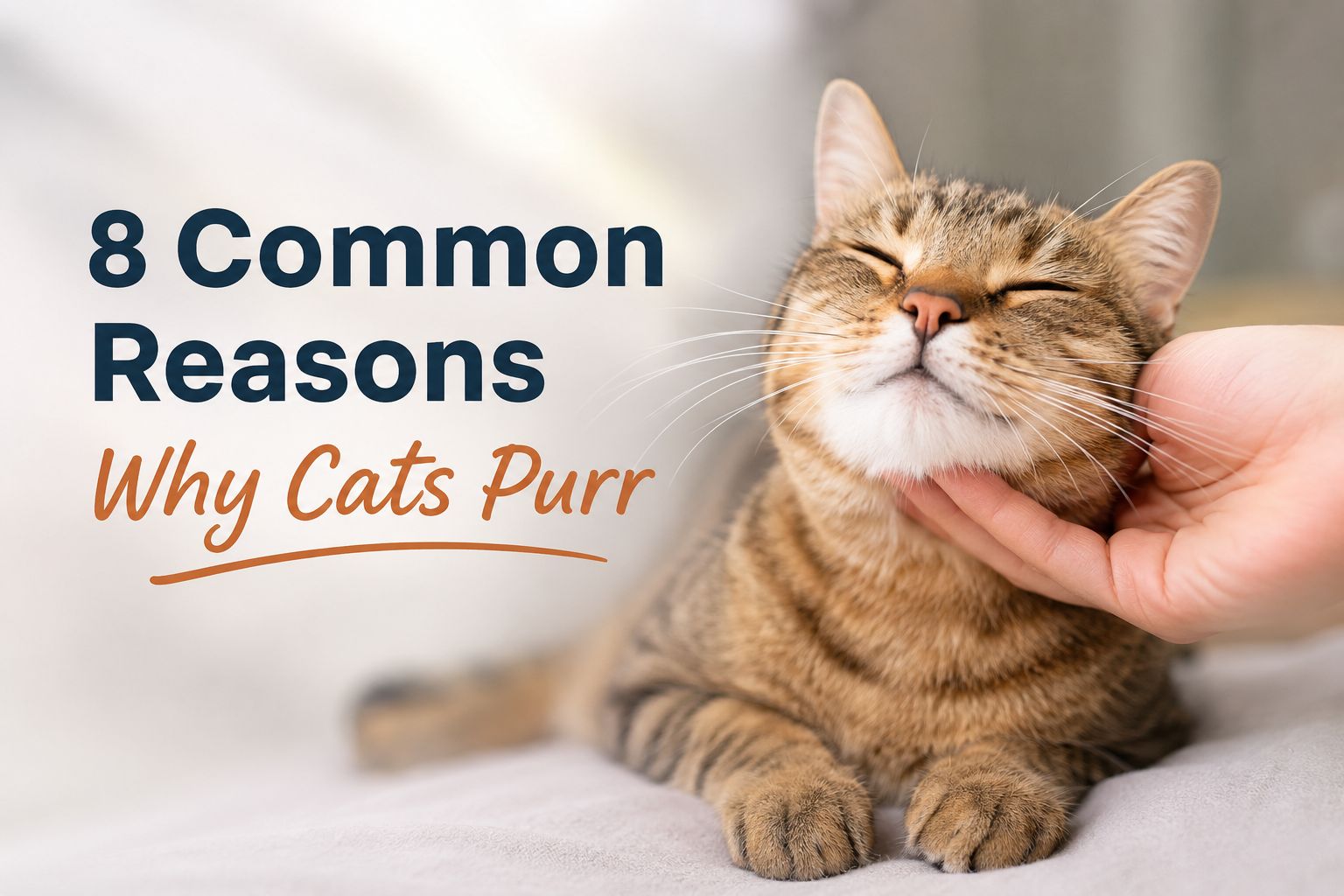
Many cat owners assume purring means a cat is content. While that’s often true, it tells only part of the story. Cats purr for many different reasons, ranging from affection and communication to stress relief, pain management, and even physical healing. In fact, veterinarians and animal behaviorists now recognize feline communication as one of the most fascinating aspects of pet ownership.
Understanding why cats purr can help you recognize your cat’s emotional state, spot early signs of illness, and strengthen the bond you share.
Below are the eight most common reasons cats purr, along with what each one means.
1. Cats Purr When They Feel Happy and Content
The most familiar reason for cat purring is simple: they’re relaxed and enjoying life.
A comfortable cat often starts purring during peaceful moments. You might hear it while gently scratching under their chin, stroking their back, or when they’re curled up in a warm bed soaking up the afternoon sun. Many cats also purr while grooming themselves or drifting off to sleep.
At times like these, purring reflects a deep sense of security. Your cat feels safe, comfortable, and completely at ease in its surroundings.
Cat body language usually supports this message. A content cat may show:
- Soft, half-closed eyes
- Relaxed ears facing forward
- Slow blinking
- A loose body posture
- Gentle kneeding with its paws
These behaviors, combined with steady purring, indicate that your cat trusts both its environment and the people around it. Although not every happy cat purrs, contentment remains one of the most common reasons cats purr.
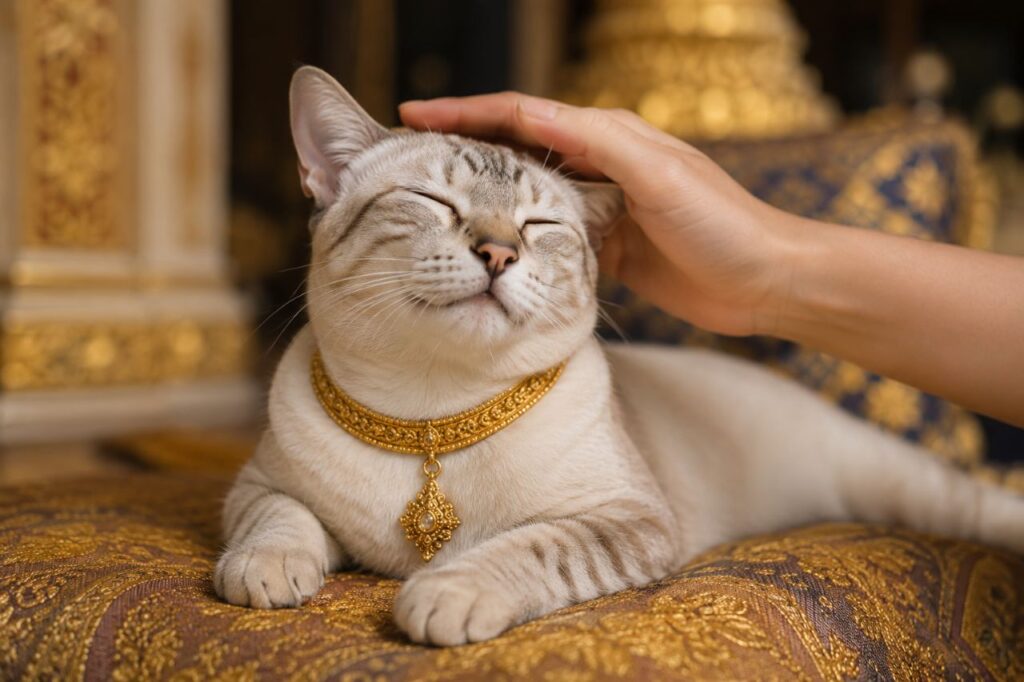
2. Purring Helps Strengthen the Bond Between Cats and Humans
For cats, purring isn’t only an expression of emotion. It’s also an important form of feline communication.
When your cat climbs into your lap and begins purring, it’s often sending a clear social signal: “I trust you.” Cats reserve this relaxed behavior for individuals they consider safe companions. Many cats greet their owners with soft purrs after a long day, during cuddle sessions, or while simply sitting beside them. These moments reinforce social bonds without requiring vocal meows.
The same behavior appears among cats themselves. Cats living together frequently purr while:
- Sleeping close together
- Grooming one another
- Resting side by side
- Raising kittens as a family group
This shared purring creates a peaceful atmosphere and helps reduce social tension within the group. Animal behavior experts believe these low-frequency vibrations promote calm interactions among familiar cats. In many ways, purring functions like a social glue, quietly reinforcing trust, affection, and companionship.
3. Cats Purr to Calm Themselves During Stress or Anxiety
One of the biggest surprises for new cat owners is learning that cats also purr when they’re scared.
Purring isn’t reserved for positive emotions. Many cats begin purring during stressful experiences as a way to regulate their own emotions. Common situations include:
- Visiting the veterinarian
- Traveling in a cat carrier
- Moving into a new home
- Hearing fireworks or thunderstorms
- Meeting unfamiliar people or animals
A frightened cat may crouch low, tuck its paws underneath its body, keep its ears slightly back, and still produce a continuous purr.
Researchers believe this behavior works as a form of self-soothing. Much like humans may hum, rock gently, or take deep breaths during stressful moments, cats appear to use purring to reduce anxiety and restore emotional balance. If your cat is purring while hiding or showing fearful body language, don’t assume it’s happy. Looking at the entire situation helps reveal what your cat is actually experiencing.
4. Purring Can Be a Sign of Pain or Illness
Many owners are surprised to discover that a sick cat may purr even more than a healthy one.
Cats are experts at hiding discomfort. In the wild, appearing weak could attract predators, so domestic cats have inherited the instinct to mask pain. When a cat feels unwell, purring may serve as an internal coping mechanism.
You might notice persistent purring alongside symptoms of illness such as:
- Reduced appetite
- Low energy or lethargy
- Limping
- Hiding more often
- Difficulty jumping
- Vomiting or diarrhea
In these cases, the purring doesn’t necessarily mean comfort. Instead, it may help the cat tolerate pain or emotional distress. If your cat suddenly begins purring constantly while acting differently, it’s wise to schedule a veterinary examination. Changes in behavior usually provide more valuable clues than the purring itself.
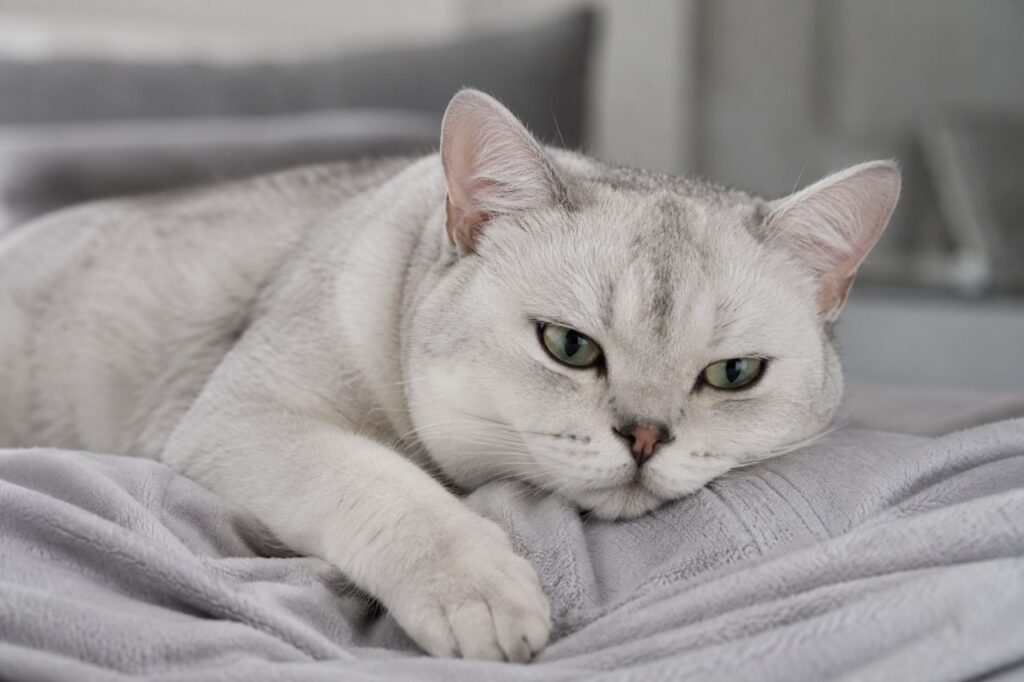
5. Purring May Help the Body Heal
One of the most fascinating discoveries about cat purring involves its possible role in physical healing.
Studies have shown that domestic cats typically purr at frequencies between 25 and 150 Hertz. Scientists have long been interested in this range because similar frequencies are known to stimulate biological processes involved in tissue repair.
Research suggests these low-frequency vibrations may help support:
- Bone growth and remodeling
- Muscle recovery
- Tendon and ligament repair
- Improved blood circulation
- Reduced inflammation
Although scientists continue studying this phenomenon, many veterinarians believe these vibrations may contribute to cats’ remarkable ability to recover from injuries. This could explain why injured or recovering cats often continue purring during rest. Rather than simply expressing emotion, purring may also function as a built-in healing mechanism.
6. Kittens Use Purring to Communicate With Their Mother
Purring begins astonishingly early in a cat’s life. Newborn kittens can start producing tiny purrs when they’re only a few days old, long before they fully open their eyes or develop normal vision.
These first purrs serve practical purposes. A nursing kitten uses purring to signal that it is:
- Warm
- Safe
- Feeding successfully
- Close to its mother
Inside a crowded nest, the gentle vibrations help the mother monitor each kitten without relying on sight. Since newborn kittens cannot meow loudly or move efficiently, purring becomes one of their earliest communication tools. This early behavior lays the foundation for the lifelong habit of purring in adulthood.
7. Mother Cats Purr to Comfort and Guide Their Kittens
Communication works both ways. Mother cats frequently purr while nursing, grooming, and resting with their kittens.
For young kittens, these vibrations provide reassurance during a vulnerable stage of life. The mother’s purring helps kittens:
- Feel safe and protected
- Locate her while their eyesight develops
- Stay calm during nursing
- Strengthen the bond between mother and litter
Behaviorists believe the familiar vibration becomes one of the first comforting sensations kittens ever experience. This early association may explain why many adult cats continue using purring whenever they seek comfort or wish to comfort others.
8. Cats Learn to Purr for Food and Attention
Cats are excellent observers. Over time, many discover that certain types of purring produce faster responses from humans.
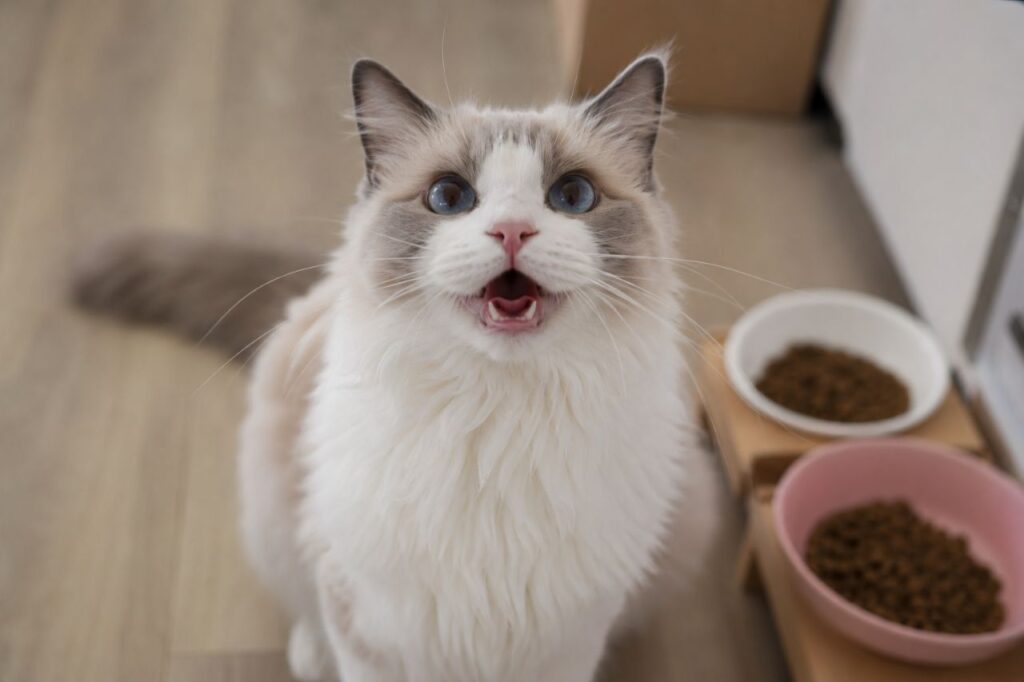
Researchers have identified what’s often called the “solicitation purr.” Unlike ordinary purring, this version includes an additional higher-frequency sound that resembles the cry of a human infant. Most people react almost instinctively. Owners often find themselves getting up to refill the food bowl, opening a treat container, or offering attention before they even realize they’ve responded.
Cats quickly learn which sounds are most effective. As a result, your cat may use this special purr when:
- Asking for breakfast
- Requesting cat treats
- Wanting affection
- Encouraging you to wake up
- Seeking playtime
This behavior demonstrates just how adaptable domestic cats are. Rather than being purely instinctive, some purring is learned through experience, allowing cats to communicate with humans in surprisingly sophisticated ways.
Final Thoughts
A cat’s purr is far more than a pleasant background sound. It can express happiness, strengthen social bonds, ease stress, support recovery from injury, help mothers and kittens communicate, and even encourage humans to hand over an extra treat or a little more attention.
The key is to look beyond the purring itself. Your cat’s body language, appetite, activity level, and the surrounding situation all provide valuable clues about what that familiar rumble really means. A relaxed cat stretched across your lap is sending a very different message than a cat that’s hiding under the bed while purring continuously.
Learning to recognize these subtle differences allows you to better understand your cat’s needs, respond appropriately, and catch potential health problems before they become more serious.
The next time your cat starts purring, take a moment to observe the whole picture. That gentle vibration may be saying much more than, “I’m happy.” After all, understanding why cats purr is one of the best ways to build a stronger, healthier relationship with your feline companion. The more you learn to interpret your cat’s unique language, the more confident you’ll become in providing the care, comfort, and companionship they deserve.
Frequently Asked Questions
1. Why do cats purr when they are not happy?
Cats often purr to self-soothe during stressful, painful, or frightening situations, such as visiting the veterinarian or hearing loud noises. In these moments, purring acts as an emotional regulator and coping mechanism, helping the cat lower its anxiety levels and restore calm. If a cat is purring while showing a tense body posture, hiding, or keeping its ears back, it is likely stressed rather than content.
2. Can a cat’s purr actually heal bones and injuries?
Yes, scientific research suggests that domestic cats purr at specific frequencies between 25 and 150 Hertz. In veterinary and human medicine, sound frequencies within this exact range have been shown to improve bone density, stimulate tissue repair, enhance blood circulation, and reduce inflammation. This indicates that a cat’s purr functions as a built-in physical healing mechanism during rest and recovery.
3. What is a “solicitation purr” and how do cats use it?
A solicitation purr is a specialized, learned vocalization that cats use specifically to get food or attention from humans. Researchers discovered that this unique purr embeds a higher-frequency cry that closely mimics the sound of a human infant. Because humans are evolutionarily wired to respond to this sound, cats use it to instinctively prompt their owners to fill food bowls or offer treats.
4. How early do kittens start purring, and why?
Newborn kittens begin purring when they are only a few days old. Because they are born blind and deaf, purring serves as their very first feline communication tool. It produces physical vibrations that help the mother cat monitor her kittens in a crowded nest and ensures the kitten signals that it is safe, warm, and successfully nursing without needing to make loud vocalizations that could attract predators.
5. How can I tell if my purring cat is in pain or sick?
To determine if your purring cat is unwell, you must observe their overall body language and behavioral changes. A sick cat may mask its discomfort by purring constantly as an internal pain management strategy. Look for accompanying symptoms of illness, such as a reduced appetite, lethargy, hiding more frequently than usual, difficulty jumping, or changes in grooming habits. If these signs are present, consult a veterinarian immediately.





Good article. I’m facing many of these issues as well..