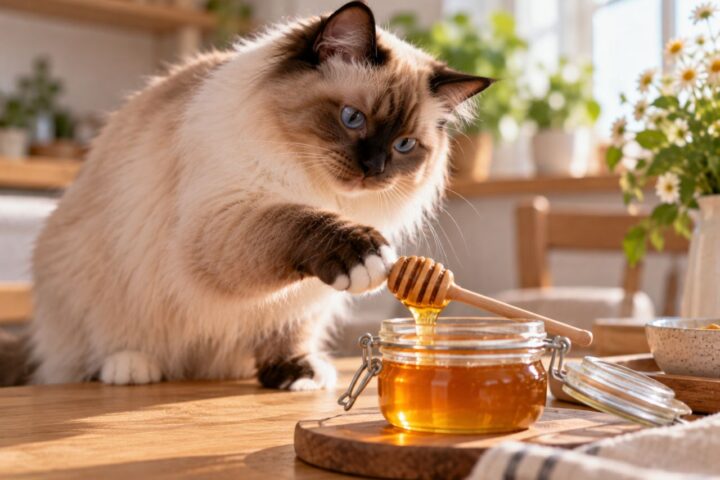

Cats can eat a small amount of plain arugula. This peppery salad green, also called rocket, is generally considered non-toxic to cats. A small nibble is unlikely to harm a healthy adult cat, but larger amounts may cause an upset stomach. Dressing, garlic, and onion can change the risk.
Arugula is an optional snack. Your cat does not need leafy greens added to a complete and balanced diet, and there is no reason to persuade a reluctant cat to try them.
For a cat that has already stolen a bite, start by checking what was on the leaf.
My Cat Ate Arugula. What Should I Do?
Move the food out of reach, then look at the ingredients. A loose leaf from a bag of greens is a different situation from arugula taken off a dressed salad or a slice of pizza.
| What your cat ate | What to do next |
|---|---|
| A small piece of fresh, plain arugula | An otherwise healthy cat can generally be monitored at home. Watch for vomiting, loose stool, or changes in appetite and behavior. |
| Much more than a small nibble, or an uncertain amount | Contact your veterinarian for advice, especially for a kitten or a cat with an existing medical condition. |
| Arugula with dressing, pesto, sauce, or seasoning | Check the complete ingredient list. Contact your vet when ingredients are unsafe or unknown. |
| Arugula mixed with onion, garlic, chives, or leeks | Call your veterinarian or an animal poison service promptly, even when your cat appears well. |
Onion and garlic can damage a cat’s red blood cells. Raw, cooked, and powdered forms can all be harmful. Signs of poisoning may take several days to appear, so waiting for symptoms is not a safe way to judge a known exposure.
Save the packaging or recipe. Tell the veterinary team roughly how much your cat ate, when it happened, and whether any symptoms have developed.
Do not try to make your cat vomit. Hydrogen peroxide, salt, and other home remedies can cause harm. In the United States, ASPCA Animal Poison Control can be reached at 888-426-4435; a consultation fee may apply.
Signs that need veterinary attention
Call your vet promptly for repeated vomiting, ongoing diarrhea, unusual tiredness, reduced appetite, or blood in vomit or stool. These signs should not be dismissed just because the leaf itself is usually safe.
Trouble breathing, collapse, or pale gums require emergency veterinary care. A cat’s condition matters more than whether the suspected food appears on a list of safe snacks.
What Nutritional Value Does Arugula Have for Cats?
Arugula contains nutrients such as vitamin K, folate, calcium, and potassium, along with some dietary fiber. That does not make a few scraps of it a useful nutritional supplement.
The amount eaten matters. A tiny taste contributes very little food overall. Increasing the portion to provide more vitamins also means feeding more plant material, which may upset your cat’s stomach or interfere with normal meals.
Cats are obligate carnivores with specific requirements for protein, amino acids, fats, vitamins, and minerals. Their everyday food should be complete and balanced for their life stage. A suitable cat food already supplies essential nutrients in appropriate proportions.
A nutrient’s role in the body also does not prove that feeding more of a food containing it will improve health. Calcium is necessary for bones, for example, but that alone does not establish that adding arugula strengthens a well-fed cat’s bones.
For Catsoria readers, the practical reason to offer a tiny piece is simple: your cat enjoys it. There is no need to present it as an immune booster, a detox food, or a remedy for digestive trouble.
How Much Arugula Can a Cat Eat?
A cautious approach for a healthy adult cat is to start with a small torn piece of one leaf. Offer it on its own and let your cat decide to taste it. There is no need to serve a whole leaf or stir a handful into dinner.
Introduce only one new treat at a time. Watch your cat’s appetite and litter box habits afterward. Stop offering arugula when it seems to trigger vomiting or loose stool, and seek veterinary advice for persistent or concerning symptoms.
Keep it occasional. A cat that likes the first taste does not need a daily portion.
The World Small Animal Veterinary Association recommends keeping treats below 10% of a cat’s daily calories. That allowance covers all extras combined, including commercial treats and table food. It is not a serving recommendation for arugula. Low-calorie greens can add a lot of bulk before they contribute many calories.
A small portion of your cat’s usual food can also work as a reward, taken from the day’s normal allowance.
Preparing Raw or Cooked Arugula
Raw arugula can be offered in a tiny amount when it is fresh, clean, and plain. Plain cooked arugula is another option, provided it has cooled and contains no added ingredients.
To prepare a taste:
- Choose a fresh leaf. Discard greens that are slimy, moldy, or rotten. Use food-grade arugula rather than an unidentified garden plant.
- Rinse under running water. Do not use soap, detergent, or bleach. Washing reduces surface contamination but does not sterilize produce.
- Tear or chop off a small piece. Remove a tough stem and avoid giving a clump of leaves. Supervise your cat while they eat.
- Keep the serving plain. Set it aside before adding butter, oil, salt, dressing, or sauce. Cooked greens should be prepared without onion, garlic, or seasoned broth.
Bagged greens labeled ready-to-eat or prewashed do not require additional washing under FDA guidance. Handle them with clean hands and utensils, and check that the bag contains only the ingredients you intend to offer.
Cooking does not make unsafe seasonings harmless. Arugula sautéed with garlic remains unsuitable for a cat, even after the visible garlic pieces have been picked out.
When to Leave Arugula Off the Menu
A cat receiving a prescription diet should have treats approved by the veterinary team managing that diet. This is especially relevant when food is part of treatment for urinary disease or another ongoing condition.
During an elimination diet or food trial, follow the veterinarian’s instructions about every extra food. An unplanned snack can interfere with the trial, even when that snack is generally safe for healthy cats.
Skip taste tests during bouts of vomiting, diarrhea, or poor appetite. Adding something new can make it harder to work out what is happening.
Kittens do not need arugula. Their meals should support growth, and extras should be discussed during routine veterinary visits. For a kitten that has eaten an unknown amount or develops symptoms, contact the vet rather than relying on advice intended for healthy adult cats.
Frequently Asked Questions
1. Is baby arugula safe for cats?
Baby arugula is harvested while the leaves are young. It can be treated like other culinary arugula: a tiny, plain taste may be suitable for a healthy adult cat. Smaller leaves do not make dressing, pesticide exposure, or overeating less of a concern.
2. Can cats eat rocket leaves?
Rocket is another common name for arugula. The same feeding precautions apply to edible salad rocket. Do not use the name alone to identify an unfamiliar plant outdoors; confirm exactly what the plant is before allowing your cat to chew it.
3. Can arugula help a constipated cat?
Do not use arugula as a home treatment for constipation. Fiber can be part of a veterinary feeding plan, but the type and amount need to suit the cat. Constipation may also involve dehydration, an obstruction, or another problem that requires treatment.
Contact your vet about repeated straining or difficulty passing stool. A handful of greens is not an appropriate substitute for finding the cause.