

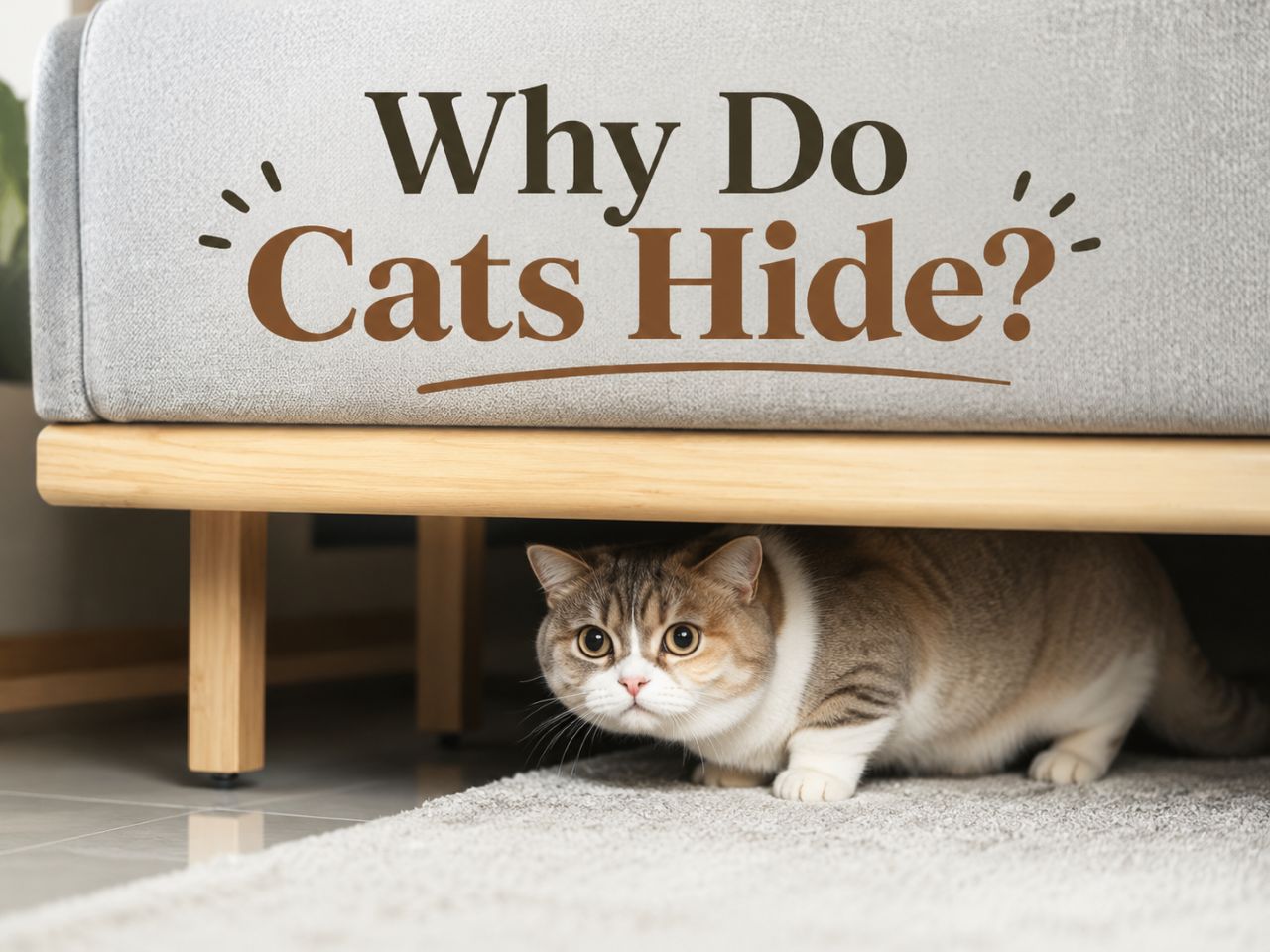
Cats have an impressive talent for disappearing inside their own homes. One minute they are following you into the kitchen. The next, they have folded themselves into a closet corner you did not know existed.
So, why do cats hide?
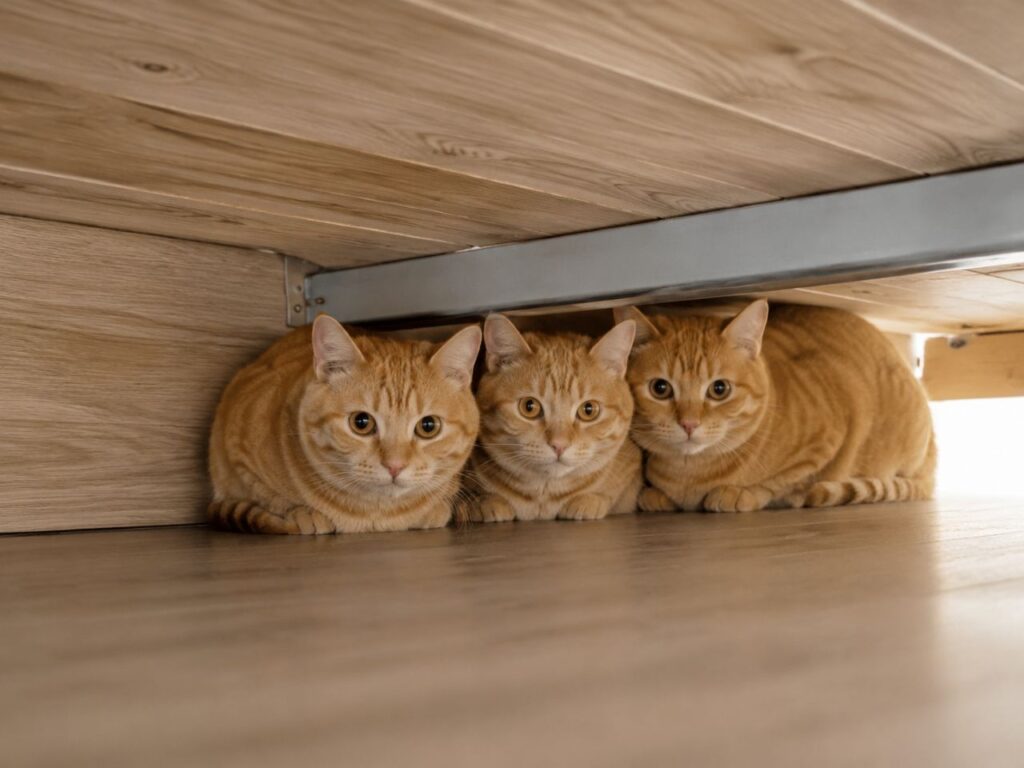
In many cases, hiding is completely normal. Cats hide when they want to sleep, feel secure, avoid noise, or prepare to ambush a toy. A hiding place can function as a private bedroom, lookout post, and emotional reset button all at once.
A sudden change is different. When a social pet begins spending most of the day as a cat hiding under the bed, or when you find yourself asking why is my cat hiding so suddenly while they stop eating and using the litter box normally, the behavior may point to fear, stress, pain, or illness.
The key is not simply noticing that your cat hides. It is understanding what is normal for your particular pet and spotting when they are cat hiding more than usual.
Why Do Cats Hide? The Quick Answer
Cats hide because enclosed spaces help them feel protected and undisturbed. Hiding may be connected to natural survival instincts, sleep, play, stress, household changes, unfamiliar visitors, conflict with another pet, or physical illness.
A cat who regularly naps in a favorite box and comes out to eat, play, and interact is usually showing normal cat hiding behavior. A cat who suddenly hides for long periods, eats less, avoids the litter box, vomits, has diarrhea, or seems painful should be examined by a veterinarian.

1. Hiding Is Part of a Cat’s Natural Instincts
Domestic cats may live beside food bowls and heated blankets, but their behavior still carries traces of life in the wild. Cats are hunters, yet they are also small enough to be vulnerable to larger animals. Staying out of sight helps a cat approach prey without being noticed and prevents other predators from spotting them.
That makes hiding a practical survival tool, meaning is it normal for cats to hide? Absolutely. Your cat does not need to worry about predators behind the bookcase, of course, but the instinct remains anyway. A covered space with only one obvious entrance feels much more secure than the middle of an open room.
This is one reason cats are drawn to:
- Cardboard boxes
- Closets and drawers
- Covered beds
- Spaces beneath furniture
- High shelves and quiet corners behind curtains
Many cats prefer places that are warm, dark, and protected at the back while still giving them a view of what is happening nearby.
2. Your Cat Wants a Quiet Place to Sleep
Cats spend a large portion of the day resting. While some are perfectly happy to sleep belly-up in the center of the couch, others prefer a nap location with fewer interruptions. A hidden sleeping spot offers warmth, quiet, and privacy, protecting a sleeping cat from surprise touches, excited children, barking dogs, vacuum cleaners, and other household commotion.
Look at what happens after your cat comes out. Does your cat stretch, groom, eat, and continue the day normally? If so, that mysterious disappearance may have been nothing more than a serious appointment with a nap.
Cats Protection notes that cats may seek hidden sleeping places because sleep leaves them feeling vulnerable. A sheltered spot allows them to rest without being disturbed.
3. Hiding Can Help a Cat Feel Safe
For a cat, hiding is often a form of self-soothing. A quiet closet or a safe retreat creates distance from whatever feels threatening. The cat can listen, watch, and decide when it is safe to return—that feeling of control matters.
Common triggers that cause cat hiding behavior include:
- Unfamiliar visitors or loud children
- Fireworks, thunderstorms, or construction noise
- A recent move or changes in the household routine
- A new baby, a new cat hiding, or a new dog
- The loss of a person or animal companion
- Rearranged furniture or heavy activity around the home
A nervous cat may hide as soon as the doorbell rings. Another may disappear when workers enter the house. Some cats retreat during busy afternoons and emerge only after everyone goes to bed. The hiding place may simply be the safest room in your cat’s tiny internal fortress.
4. Your Cat May Be Stressed or Anxious
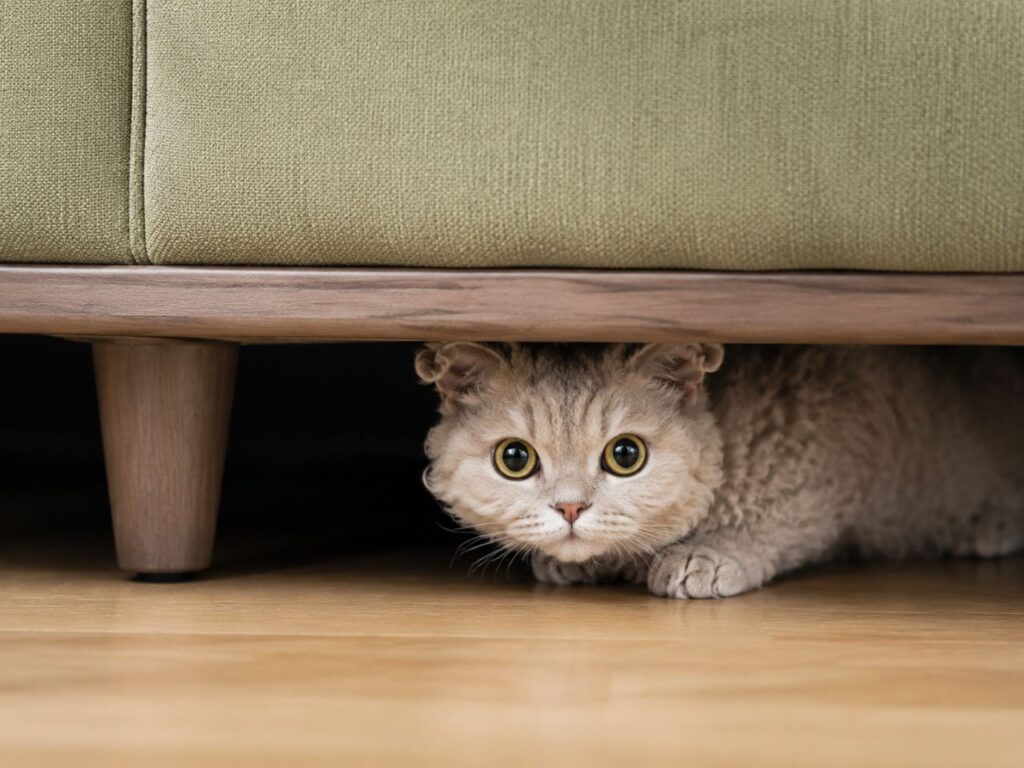
There is a difference between choosing a cozy nap spot and hiding because the environment feels unsafe. A stressed cat may spend longer periods hidden, hesitate to cross open areas, or wait until the house is quiet before eating and using the litter box.
When asking why is my cat hiding, think about what changed shortly before the behavior began. Possible signs of stress include:
- Crouching low to the ground with flattened ears
- Wide, dilated pupils and a tightly tucked tail
- Reduced appetite or excessive grooming
- Urine marking outside the litter box
- Avoiding family members or becoming unusually quiet/irritable
- Hissing when someone approaches the hiding place
Stress is especially common when a cat has little control over its surroundings. Repeated noise, unpredictable handling, and competition with other pets can make hiding feel like the only available escape.
5. Another Pet May Be Making Your Cat Hide
In multi-pet homes, hiding can be a sign of social pressure. The conflict may be obvious, such as chasing, swatting, growling, or blocking doorways. It can also be quiet. One cat may stare at another near the food bowl, guard the hallway leading to the litter box, or repeatedly take over favorite resting places.
The less confident cat may respond by becoming a permanent cat hiding under the bed or inside a closet. Pay attention to whether your cat can comfortably reach:
- Food and water
- Litter boxes
- Sleeping areas and elevated resting spots
- Scratching surfaces, toys, and human attention
Cats should not have to pass a more confident pet every time they need a drink or visit the litter box. Providing important resources in separate locations can reduce competition. Each cat should also have access to a private hiding place where another pet cannot corner or disturb them.
6. Your Cat Is Playing or Waiting to Pounce
Not every hidden cat is frightened. Some are running a one-cat ambush operation. Cats often conceal themselves before pouncing. A cat may crouch behind a curtain, inside a box, or beneath a chair while watching a toy move across the floor. Your ankles may occasionally become the unfortunate supporting cast.
Playful hiding usually looks different from fearful hiding. A playful cat may have:
- Ears pointing forward
- A relaxed body and focused eyes
- A twitching rear end before pouncing
- Quick bursts of movement and an interest in toys or passing feet
A frightened cat, by contrast, is more likely to remain compressed in one place, avoid interaction, flatten the ears, or retreat farther when approached.
Cats Protection explains that domestic cats may imitate hunting behavior by staying hidden and then pouncing on toys or movement nearby.
7. Your Cat Is Exploring Something New
To you, an empty shipping box is recycling. To your cat, it is a newly discovered cave with excellent acoustics and a pleasing cardboard scent.
Cats are naturally curious. They investigate bags, boxes, cabinets, drawers, and unfamiliar pieces of furniture. A new object can become a temporary hiding place even when the cat feels completely comfortable.
This type of hiding is usually harmless as long as the location is safe and the cat can leave easily. Always check boxes, closets, recliners, washers, dryers, and storage areas before closing, moving, or operating them. Warm laundry appliances and mechanical furniture can become dangerous hiding places.
8. A New Cat May Hide While Adjusting
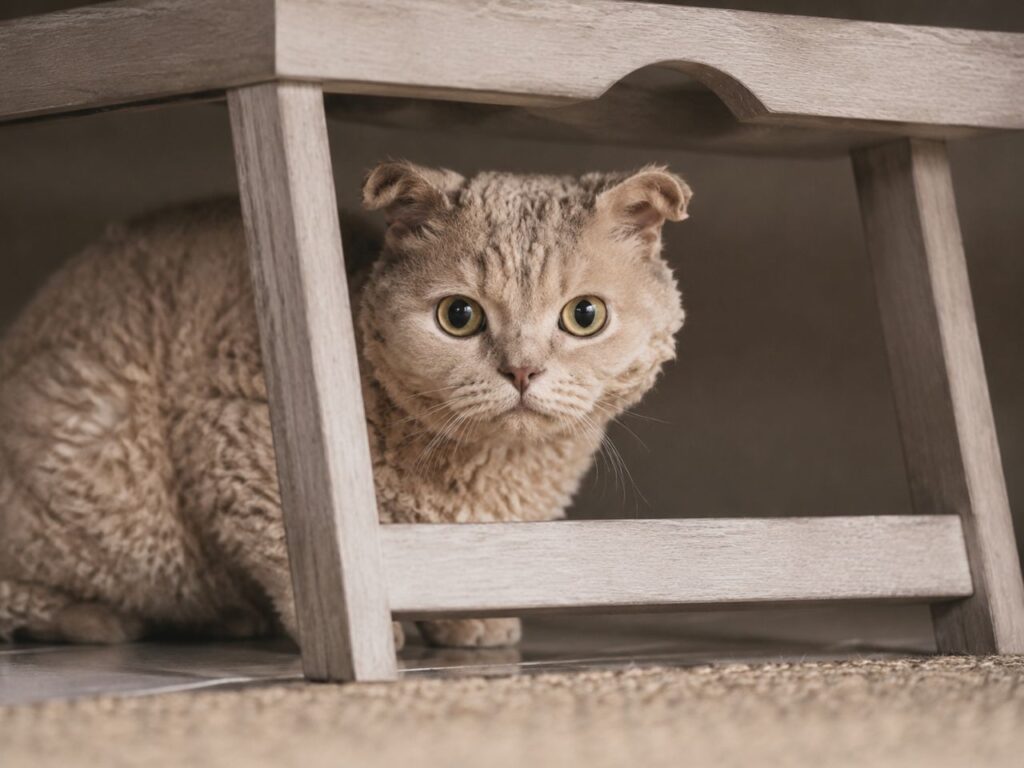
Bringing a cat home opens a new chapter for you. For the pet, it may feel more like being dropped into an unfamiliar country without a map. The smells, sounds, and floor plans are completely unknown. Even a confident animal may experience new cat hiding phases after arriving.
A new cat hiding for a few hours or several days is perfectly normal. Some cats begin exploring immediately, while others wait until nighttime when the home becomes quiet.
To help them adjust, set up a small, calm room containing:
- Food and water (placed away from each other)
- A litter box
- A scratching surface and comfortable bedding
- A safe, covered hiding place
- A few simple toys
Allow the cat to leave the carrier without being pulled out. Sit quietly nearby, speak softly, and let the cat approach on its own schedule. Repeatedly reaching into the hiding place or checking every few minutes may slow the adjustment process.
Cats Protection recommends giving a new cat time, keeping essential resources nearby, and allowing the cat to emerge when ready.
9. Hiding May Mean Your Cat Is Sick or in Pain
Cats are incredibly skilled at concealing physical weakness. In the wild, an animal that appears weak easily becomes a target. Therefore, a sick or injured cat may instinctively withdraw to a quiet place where it feels protected. This is exactly why do cats hide when sick.
A cat hiding more than usual should never be dismissed, especially when the change is sudden. Medical problems that cause pain, weakness, nausea, breathing discomfort, urinary trouble, or fever can all lead to increased hiding.
Ask yourself:
- Is this behavior brand new, and is my cat staying hidden longer?
- Has my cat stopped greeting me?
- Is my cat eating, drinking, and using the litter box normally?
- Is the cat moving comfortably, or are there changes in grooming, breathing, or posture?
Cats Protection, PetMD, and Feline Behavior Solutions all advise veterinary attention when hiding increases unexpectedly or occurs with changes in normal daily activities.
Is It Normal for Cats to Hide?
Yes, is it normal for cats to hide is one of the most common questions pet owners ask, and the answer is generally yes. Healthy hiding usually follows a predictable pattern. Your cat may use the same closet every afternoon, nap under the bed after breakfast, or retreat when guests arrive, later coming out to resume normal activities.
Normal hiding generally does not interfere with:
- Eating or drinking
- Grooming or playing
- Using the litter box
- Moving comfortably around the home
- Interacting with familiar people
Your cat’s specific baseline matters more than another cat owner’s idea of normal. One cat may sleep under the bed every day for ten years, which is perfectly ordinary for them. But if a highly social cat suddenly remains behind the couch all day, the change carries significant weight.
When Should You Worry About a Cat Hiding?
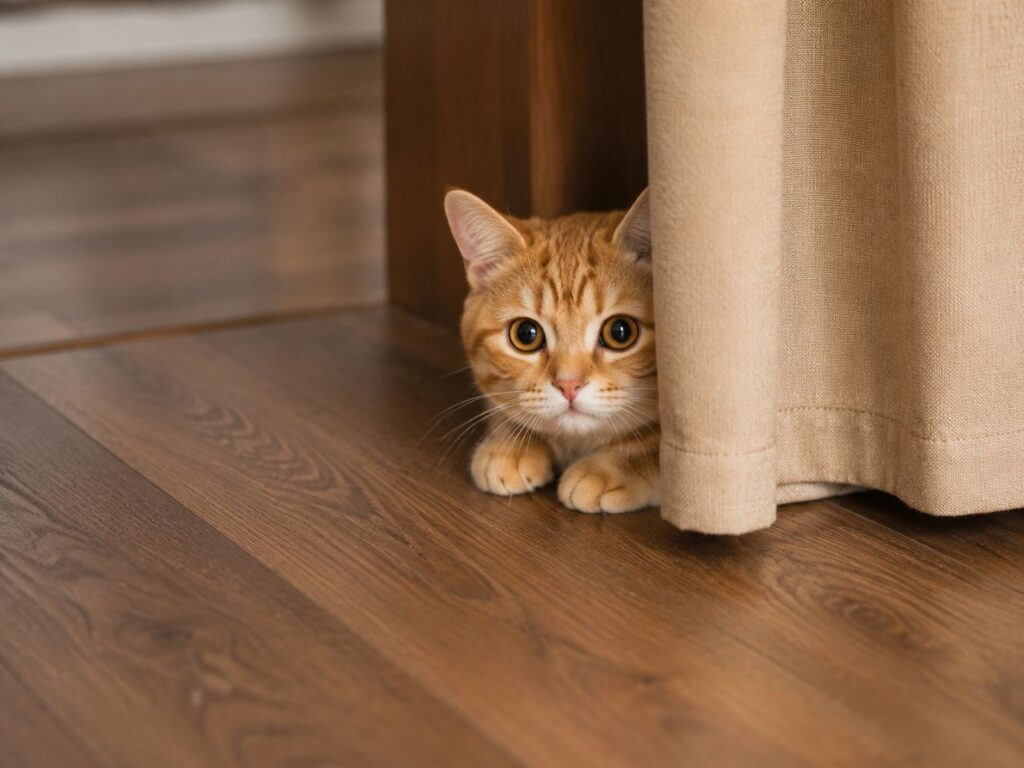
Schedule a veterinary visit when your cat suddenly begins hiding more often, when you can’t figure out why do cats hide when sick, or when the behavior continues without an obvious explanation.
Seek veterinary advice promptly when hiding appears with:
- Eating or drinking less, or completely refusing food
- Vomiting or diarrhea
- Sneezing, coughing, or difficulty breathing
- Urinating or defecating outside the litter box
- Straining in the litter box or reduced urine output
- Limping, stiff movement, hair loss, or poor grooming
- Unusual vocalization or aggression when touched
- Weakness or extreme tiredness
PetMD advises having a cat examined when increased hiding occurs with appetite, digestive, respiratory, elimination, or coat changes.
A cat who cannot urinate, has trouble breathing, collapses, or appears severely distressed needs urgent emergency veterinary care. Do not wait for a cat to come out and “act sick.” Hiding may already be their primary way of expressing discomfort.
How to Help a Hiding Cat
Start by Observing the Pattern
Before changing anything, take note of when, where, and how long your cat hides. Write down when the behavior started, which hiding places are used, what happens immediately beforehand, whether another pet is nearby, and whether your cat is eating and using the litter box normally.
Do Not Drag Your Cat Out
Pulling a frightened cat from a hiding place removes the one thing helping that cat feel secure. It may also lead to scratching, biting, or a deeper fear of being approached.
When dealing with this kind of situation, the first rule for getting a cat out of hiding is not to drag or pull it out by force.
Both Cats Protection and PetMD recommend allowing the cat to remain hidden rather than forcing it out, since pressure can increase anxiety and prolong the behavior.
Sit nearby without blocking the exit. Speak softly or read quietly. Let your presence become part of the calm background.
Provide Safe Hiding Places
Cats should have hiding options even when they are confident and healthy. A good hiding place should be quiet, stable, easy to enter/exit, away from heavy foot traffic, and protected from other pets.
Simple options work beautifully: a cardboard box with a blanket, a covered cat bed, an open carrier, or a blanket draped over a chair. Some cats prefer elevated hiding places because height gives them a better view and more distance from activity below.
Cats Protection recommends quiet, covered hiding areas, including elevated options, while keeping them separate from food, water, and litter areas.
Block Dangerous Spaces and Offer an Alternative
It is entirely reasonable to prevent access to unsafe locations. Block spaces behind appliances, inside mechanical furniture, near electrical equipment, or anywhere your cat could become trapped. Close washers and dryers when they are not in use, and always inspect them before starting a cycle.
Do not frighten or punish your cat for choosing the wrong place. Instead, place a safer hide nearby with similar qualities. A cat who likes a dark closet may accept a covered bed in the same room.
Reduce the Trigger
When possible, address the reason your cat is hiding. During loud events, close windows and curtains and provide a quiet interior room. Ask visitors to ignore the cat rather than following it around. In multi-cat homes, separate resources so one animal cannot block another’s exit.
Invite, but Do Not Pressure
You can encourage a relaxed cat to come out with a favorite treat, meal, toy, or gentle voice. Place the reward a comfortable distance from the hiding spot and step back. The goal is to make coming out feel safe, not to lure the cat into being grabbed. Patience does more work here than persuasion.
How Long Is Too Long for a Cat to Hide?
There is no single time limit that applies to every cat. A healthy cat may sleep in a hidden spot for several hours and behave normally afterward. A new cat may remain mostly hidden for a few days while learning that the home is safe.
The more important questions to ask are:
- Is the cat eating and drinking?
- Is the litter box being used?
- Is the cat hiding longer than usual?
- Are other physical symptoms present?
- Is the cat gradually becoming more comfortable?
A cat who skips meals, avoids water, stops urinating, or shows physical symptoms should not simply be given more time. Contact a veterinarian immediately.
Final Thoughts
Hiding is one of the primary ways cats manage their world. A cardboard box may be a hunting blind, a closet may be a bedroom, and the space under your bed may be where your cat waits for the household noise to settle.
Most cat hiding behavior is entirely harmless when it follows a familiar pattern and your cat continues eating, drinking, playing, grooming, and using the litter box normally. The important signal to watch out for is change. Treat sudden hiding as valuable information rather than stubbornness, and speak with your veterinarian if you suspect illness or pain is involved.
Frequently Asked Questions
1. Why does my cat hide under the bed?
The space under a bed is dark, quiet, protected, and rarely disturbed. A cat hiding under the bed may use it for sleeping, avoiding visitors, managing stress, or coping with illness. Regular under-bed naps may be normal, but sudden or prolonged hiding deserves closer attention.
2. Why is my cat suddenly hiding from me?
A sudden change where you find yourself wondering why is my cat hiding from you is often linked to pain, illness, fear, a loud event, an unfamiliar smell, a household change, or a negative interaction. Check for changes in appetite, litter box use, movement, grooming, and energy, and contact your vet if necessary.
3. Why do cats hide when they are sick?
If you are wondering why do cats hide when sick, it is rooted in instinct. Sick or injured cats withdraw because a secluded location feels safer from potential predators. Since they instinctively conceal pain and weakness, increased hiding can be one of the first visible signs that something is wrong.
4. Why does my cat hide when guests visit?
Unfamiliar voices, smells, movements, and attention can feel threatening to a cat. Allow your cat to stay in a quiet room or chosen hiding place, and ask visitors not to pursue, touch, or pull the cat out.
5. Is it normal for a new cat to hide all day?
Yes, a new cat hiding for the first few days in a new home is very common. Provide a quiet starter room and make sure the cat has access to food, water, and a litter box. Contact a veterinarian if the cat goes without eating, drinking, or eliminating.
6. Why does my cat hide during the day and come out at night?
The home is usually much quieter at night, making a nervous cat feel safer to explore. Cats are also naturally crepuscular (active around dawn and dusk), so a recently adopted or shy cat may prefer to explore after people and other pets have gone to sleep.
