

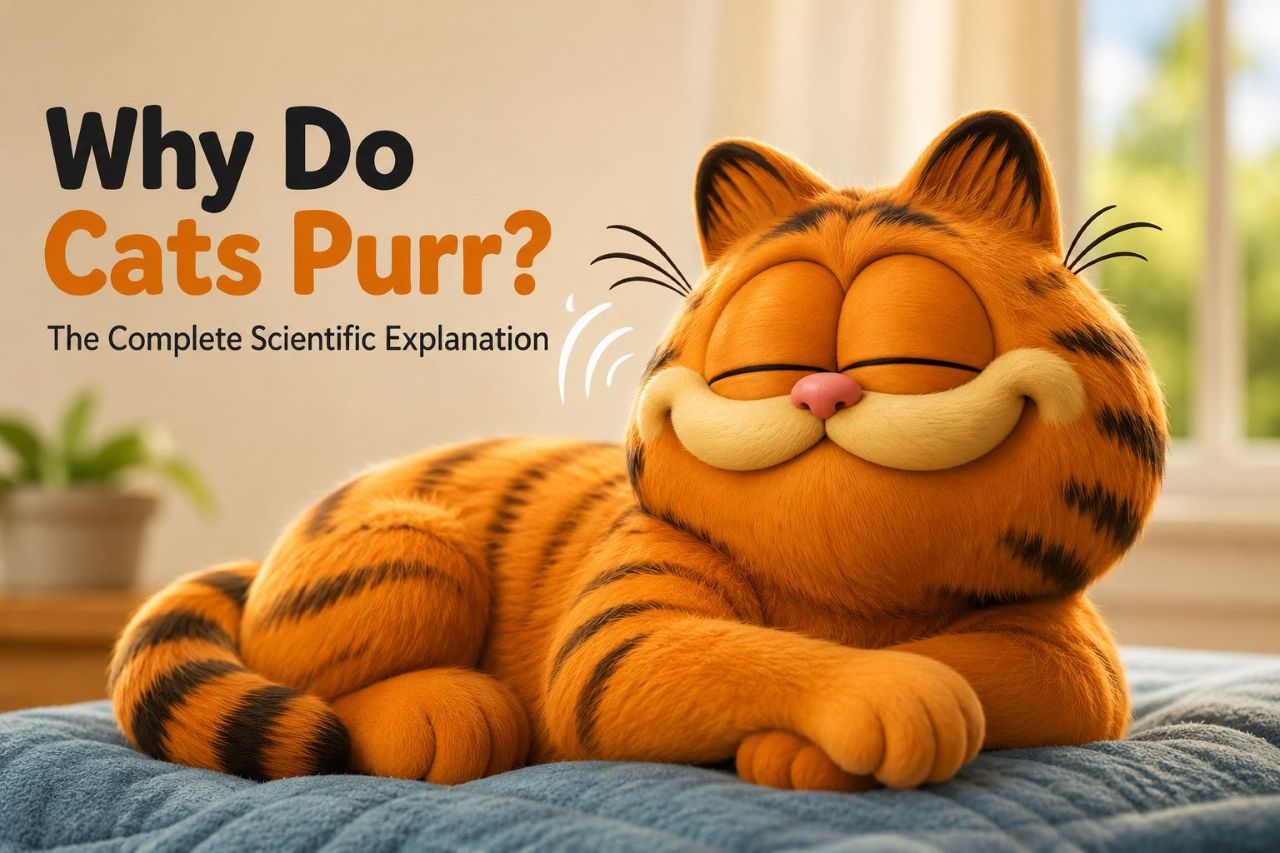
You hear it while your cat naps on the couch. It starts the moment you scratch behind their ears. Sometimes it even happens at the veterinarian’s office, when your cat clearly doesn’t look relaxed.
So what’s really going on?
Many people believe a cat purring always means happiness, but veterinarians and feline behavior experts have learned that’s only one piece of the puzzle. A purr can signal comfort, trust, anxiety, pain, recovery, communication, or even a carefully learned strategy to convince you it’s dinner time.
To truly understand why cats purr, it helps to look beyond the sound itself. The science behind purring involves anatomy, neurology, behavior, and evolution, making it one of the most fascinating forms of feline communication.
This guide explores how cats produce their signature rumble, what it means in different situations, and when an unusual purr might deserve closer attention.
What Is Purring and How Do Cats Produce the Sound?
A cat’s purr is a continuous, low-frequency vibration that differs completely from a meow, hiss, growl, or chirp. Unlike those vocalizations, a purr creates a steady rhythm that continues through both inhaling and exhaling, giving it the smooth, uninterrupted sound every cat owner recognizes.
For years, people believed purring came from vibrations deep inside a cat’s chest. Modern research tells a different story.
Scientists now believe the process begins in the brain. Specialized neural circuits repeatedly send signals to the muscles surrounding the larynx, or voice box. These muscles contract and relax dozens of times every second while the diaphragm keeps air moving through the airway.
As air passes over the vocal folds during both inhalation and exhalation, the rapid muscle movements create the familiar vibrating sound we recognize as a cat purr.
This breathing pattern is unusual because most mammals vocalize primarily while exhaling. Cats, by contrast, maintain the vibration throughout the entire breathing cycle, allowing them to purr continuously for several minutes or even hours without obvious effort.
Because the process requires very little energy, cats can comfortably purr while sleeping, nursing kittens, resting after exercise, or recovering from illness.
Although researchers continue studying the exact neurological mechanism, one fact is clear: purring is an automatic biological behavior rather than a conscious vocal performance.

Why Do Cats Purr When They’re Happy?
When people picture a purring cat, they usually imagine a relaxed pet stretched across a sunny windowsill or curled up on someone’s lap. That’s because contentment remains one of the most common reasons cats purr.
Cats thrive on predictability. When everything around them feels familiar and safe, their bodies naturally enter a relaxed state. During these peaceful moments, purring appears almost effortlessly.
You might notice your cat purring while:
- Enjoying gentle chin scratches
- Lying beside you on the sofa
- Sleeping in a favorite bed
- Stretching after a nap
- Grooming themselves
- Slowly kneading a blanket
These situations share one thing in common: your cat feels completely secure.
Behaviorists believe purring reinforces positive emotional experiences. Rather than simply expressing happiness, the vibration may help maintain a calm physiological state by lowering stress levels and promoting relaxation.
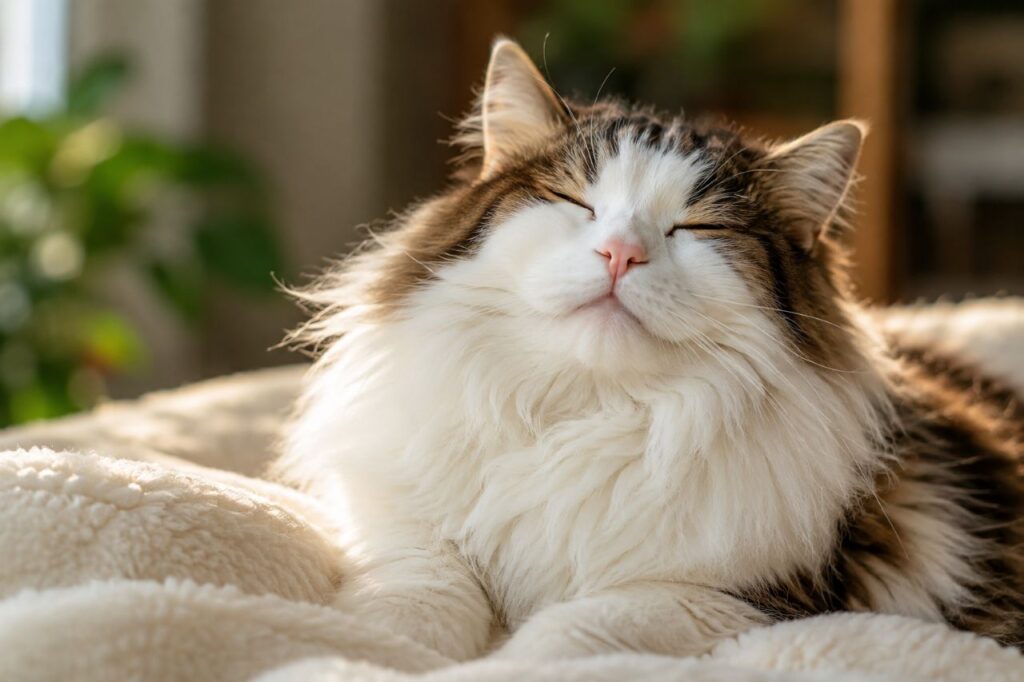
A genuinely content cat usually displays other signs alongside the purr:
- Soft, partially closed eyes
- Slow blinking
- Relaxed whiskers
- Forward-facing ears
- Loose body posture
- Gentle kneading
Looking at the entire picture helps confirm your cat’s emotional state.
Some cats purr almost constantly when they’re comfortable, while others rarely purr despite appearing equally content. Personality plays an important role, so learning your own cat’s habits is often more useful than comparing them with others.
Can Cats Purr When They’re Stressed or Scared?
One of the biggest misconceptions about feline behavior is that purring always equals happiness.
In reality, many cats begin purring precisely because they feel frightened.
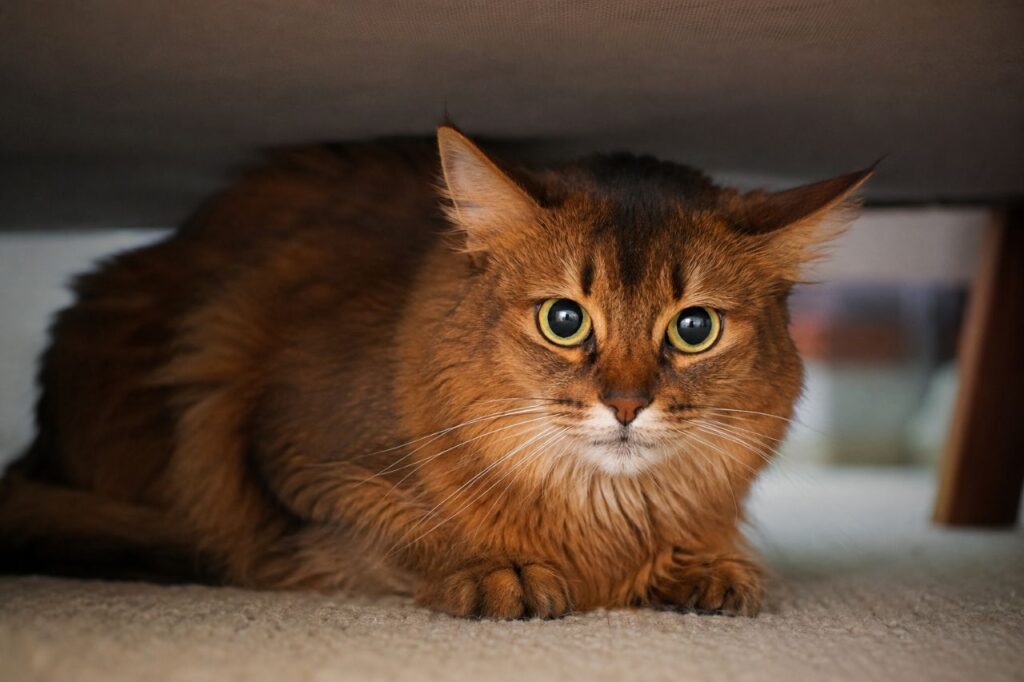
Imagine taking your cat to the veterinary clinic. They’re sitting inside the carrier with wide eyes, flattened ears, and a tense body. Then you hear a loud purr.
At first glance, it seems contradictory.
Behavior specialists believe this type of purring functions as self-soothing behavior. Just as humans may hum quietly, rock back and forth, or take slow breaths during stressful moments, cats appear to use purring to help regulate their emotional response.
Stress-related purring often occurs during situations such as:
- Veterinary appointments
- Air or car travel
- Moving into a new home
- Thunderstorms
- Fireworks
- Meeting unfamiliar pets
- Loud household renovations
- Boarding facilities
Unlike relaxed purring, stress purring is usually accompanied by body language that tells a different story. Your cat may crouch low, wrap its tail tightly around its body, dilate its pupils, or avoid eye contact while continuing to purr.
Researchers think these low-frequency vibrations may help regulate breathing and reduce physiological stress, allowing cats to remain calmer until the perceived danger passes. That means context always matters more than the sound alone.
Do Cats Purr When They Are Sick or in Pain?
Surprisingly, yes.
One of the reasons cats are so difficult to diagnose is their remarkable ability to hide discomfort. Unlike many dogs, cats rarely cry, whine, or openly display pain. Evolution favored animals that concealed weakness, making them less vulnerable to predators.
Purring may be one of the ways cats cope with physical discomfort. Veterinarians frequently observe increased purring in cats recovering from:
- Surgery
- Bone fractures
- Dental disease
- Arthritis
- Soft tissue injuries
- Digestive illness
- Chronic pain
Rather than indicating comfort, the purring may help the cat manage stress while simultaneously providing mild physiological benefits. Owners should pay attention to accompanying symptoms.
Warning signs include:
- Loss of appetite
- Sleeping much more than usual
- Hiding for extended periods
- Reluctance to jump
- Limping
- Weight loss
- Vomiting
- Diarrhea
- Increased aggression when touched
A cat that suddenly develops continuous purring alongside behavioral changes should be examined by a veterinarian.
Important Note: Purring by itself is not an emergency. Purring combined with unusual behavior deserves attention.
Can Purring Help Cats Heal Faster?
One of the most fascinating areas of feline research focuses on the possible healing effects of purring itself.
Scientists have measured domestic cat purrs at approximately 25 to 150 Hertz, a frequency range that overlaps with frequencies known to encourage tissue repair in medical and veterinary research. Although studies are still ongoing, researchers believe these vibrations may contribute to several biological processes.
Potential benefits include:
- Supporting bone remodeling
- Encouraging fracture repair
- Improving circulation
- Stimulating soft tissue healing
- Reducing swelling
- Maintaining muscle condition
- Decreasing inflammation
This theory may help explain why cats often recover from injuries more quickly than expected despite spending long periods resting. Unlike humans, cats instinctively remain still after injuries, conserving energy while continuing to generate these low-frequency vibrations. That combination of rest and purring may work together to support recovery.
It’s important to keep expectations realistic. Purring is not medicine. It cannot cure infections, repair severe injuries, eliminate cancer, or replace professional veterinary treatment. Instead, experts believe it may serve as one helpful biological tool within the body’s natural healing process.
Why Do Kittens and Mother Cats Purr to Each Other?
Purring begins astonishingly early in life. Kittens start producing tiny purrs when they’re only a few days old, long before they can confidently walk or fully open their eyes.
Inside the nest, vision plays only a minor role. Instead, gentle vibrations help maintain communication between mother and kittens.
Newborn kittens use purring to signal several important things:
- They’re warm.
- They’re nursing successfully.
- They’re safe.
- They’re close to their mother.
Mother cats answer with purrs of their own. During nursing sessions, grooming, and sleep, queens often maintain a gentle, rhythmic vibration that appears to reassure the litter.
Researchers believe this constant vibration provides several advantages:
- It helps kittens locate their mother before their eyesight develops.
- It promotes calm behavior during feeding.
- It reinforces the bond between mother and offspring.
Some behaviorists even suggest these early experiences shape how adult cats later use purring to communicate trust and security with people. Long before kittens learn to meow, purring becomes their first language.
Why Do Some Cats Purr for Food or Attention?
Anyone who’s been awakened at 5:30 in the morning by a loudly purring cat has probably experienced what’s known as a solicitation purr.
Unlike ordinary purring, this specialized version contains an additional higher-frequency sound that resembles the cry of a human infant. Researchers have found that people respond to this sound much faster than to normal purring.
Many owners instinctively:
- Refill the food bowl
- Offer treats
- Open the bedroom door
- Start petting their cat
- Begin playing
Cats are excellent learners. Over months or years, they discover which behaviors reliably produce rewards. Eventually they begin using this unique purr strategically whenever they want attention.
This doesn’t mean cats manipulate humans in a malicious way. Instead, they’re simply adapting their communication style to the species they live with. Domestic cats have spent thousands of years evolving alongside people. Learning which sounds capture human attention represents another remarkable example of that shared evolution.
Should You Worry If Your Cat Suddenly Starts Purring More?
A noticeble increase in purring doesn’t automatically mean something is wrong. Sometimes cats purr more because they’ve become increasingly comfortable in their environment. Older rescue cats, for example, often begin purring much more after settling into a loving home.
Cats may also purr more frequently during colder weather, after recovering from stress, or while seeking additional affection.
Healthy signs include:
- Normal appetite
- Bright eyes
- Regular grooming
- Normal litter box habits
- Active play
- Comfortable movement
In these situations, increased purring usually reflects confidence, comfort, or stronger social bonding.
The situation changes when excessive purring appears alongside other symptoms. Contact your veterinarian if your cat is also experiencing:
- Sudden lethargy
- Refusal to eat
- Weight loss
- Labored breathing
- Persistent vomiting
- Diarrhea
- Difficulty walking
- Hiding constantly
- Signs of pain when touched
The safest approach is simple. Never judge your cat’s health based on purring alone. Instead, evaluate the entire picture. Appetite, posture, breathing, energy level, grooming habits, and daily routines often provide far more reliable clues than the sound itself.
A purr is a valuable piece of information, but it’s only one part of your cat’s story.
Final Thoughts
A cat’s purr is much more than a sign of happiness. It can express comfort, build trust, ease stress, support recovery, strengthen the bond between mother and kitten, or simply ask for your attention.
The best way to understand why cats purr is to look beyond the sound itself. Pay attention to your cat’s body language, appetite, energy level, and the situation they’re in. These clues often reveal far more than the purr alone.
By learning to recognize the different meanings behind your cat’s purring, you’ll be better equipped to meet their physical and emotional needs, strengthen your bond, and spot potential health concerns early. After all, every purr tells a story.
Frequently Asked Questions
1. Why do cats purr when they are stressed or at the vet?
While people associate purring with happiness, cats frequently purr to soothe themselves during scary or painful situations. This stress-related purring acts as a natural coping mechanism—similar to a human humming or taking deep breaths—helping them lower their heart rate and regulate anxiety when they feel vulnerable.
2. How do cats physically produce a purring sound?
Purring begins in the brain. Specialized neural circuits send rhythmic signals to the muscles surrounding the cat’s larynx (voice box). As the cat breathes, these muscles contract and relax rapidly—dozens of times per second—vibrating the air passing over the vocal folds during both inhalation and exhalation.
3. Is it true that a cat’s purr can help heal bones and tissues?
Yes, potentially. Domestic cats purr at a low-frequency vibration of 25 to 150 Hertz. In veterinary and medical research, frequencies in this exact range have been shown to improve bone density, stimulate soft tissue healing, reduce inflammation, and ease pain, helping the cat rest and recover efficiently.
4. What is a “solicitation purr” and how do cats use it?
A solicitation purr is a specialized, high-frequency sound that cats use exclusively to demand food or attention. Researchers discovered that cats naturally embed a high-pitched cry—closely resembling a human infant’s cry—within their normal rumble to trick human brains into responding immediately with food or affection.
5. When should an increase in my cat’s purring cause concern?
You should consult a veterinarian if excessive purring is accompanied by sudden behavioral changes or physical symptoms. If your cat is purring constantly while also showing signs of lethargy, loss of appetite, heavy breathing, hiding for long periods, or reacting aggressively to being touched, they may be purring to cope with severe pain or illness.
